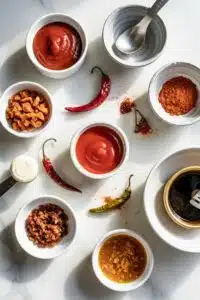
Verjuice brings gentle acidity without overpowering delicate sauces or vinaigrettes. It sits between lemon juice and vinegar-tart enough to brighten flavors but mild enough not to dominate.

The best substitute depends on what you're making. A raw salad dressing needs brightness, while a pan sauce requires subtlety.
These swaps are ranked by how closely they match verjuice's mild, fruity tang.
Lemon juice, green grape juice, and white balsamic vinegar replace verjuice best in cooking because they give the same **gentle grape acidity** without harsh bite. We prioritize salt/acid first, then adjust sweetness so sauces stay balanced. White wine vinegar or diluted tamarind also work, however we dilute and sweeten lightly to avoid sharp edges.
5 Smart Verjuice Swaps When You're Out
These substitutes range from pantry staples to specialty finds. Pick based on the dish and what you need the acidity to do.
Remember it later
Planning to try this recipe soon? Save it for a quick find later!
| # | Substitute | Best For | Ratio | Key Note |
|---|---|---|---|---|
| 1 | White Wine Vinegar | 🍳 Cooking | 1:1 | Sharper, more pungent |
| 2 | Lemon Juice | 🍳 Cooking | 1:1 | Brighter citrus punch |
| 3 | Diluted Tamarind Paste | 🍳 Cooking | 1:1 mixture | Fruity with sweet notes |
| 4 | Green Grape Juice | 🍳 Cooking | 1:1 | Closest to authentic |
| 5 | White Balsamic Vinegar | 🍳 Cooking | 1:1 | Sweeter, fruitier |
1 - White Wine Vinegar
White wine vinegar cuts through richness with sharper acidity than verjuice. It works in vinaigrettes and light sauces where you want noticeable tang without overwhelming other flavors.
The acidity level runs higher, so it can dominate delicate dishes. Use it when the recipe tolerates a more assertive sour note.
Here's what to know:
- Direct swap - Use 1 tablespoon per 1 tablespoon of verjuice
- Best in cooked dishes - Heat mellows the sharpness slightly
- Add late - Stir in after removing from heat to preserve brightness
- Pair with fat - Olive oil or butter balances the punch
Results vary by dish. A simple White Wine substitutes list keeps you in the right lane when you need broader options.
*Skip if::* You're making a raw sauce or dressing where subtle acidity matters.
Verjuice
Works for: Gentle tang in raw preparations
Skip if: You want bold, sharp acidity
White Wine Vinegar
Works for: Bright, assertive dressings
Skip if: The dish needs mild, fruity sourness
2 - Lemon Juice
Lemon juice delivers bright citrus acidity with higher punch than verjuice. It shines in fresh salad dressings and as a finishing drizzle over roasted vegetables.
Use it when you want clean, recognizable tang. The citrus flavor comes through clearly, so it changes the profile more than other swaps.
- Use 1 tablespoon per 1 tablespoon - Direct ratio works
- Add just before serving - Heat dulls the brightness
Each substitute behaves differently. Understanding the role of simple Lemon Juice substitutes list helps when you need similar brightness from other sources.
*Skip if::* You're cooking the sauce for more than a few minutes or need mellower sourness.
3 - Diluted Tamarind Paste
Mix 1 part tamarind paste with 2 parts water to create a tart, fruity liquid. This swap brings sour depth with slight sweetness, making it ideal for rich sauces and marinades.
The flavor runs more intense than verjuice. It works best in recipes where you want complexity, not just brightness.
Use 1 tablespoon of the mixture per 1 tablespoon of verjuice. Stir the paste and water together until fully dissolved before measuring.
- Best in cooked dishes - The sweetness mellows with heat
- Pairs with bold spices - Cumin, coriander, and garlic go with the tang
The swap depends on what swaps when Tamari runs out does in your recipe; match the function first when exploring similar flavor-building options.
*Skip if::* You're making a light, clean-tasting dressing or need neutral acidity.
| Use | Ratio | Notes |
|---|---|---|
| Pan sauces | 1:1 mixture | Adds fruity depth |
| Marinades | 1:1 mixture | Tenderizes with tang |
| Dressings | Start with ½, taste | Intensity varies by brand |
4 - Green Grape Juice
Juice from unripe green grapes mimics verjuice's mild tartness and slight sweetness. It's the closest match you'll find if you have access to fresh green grapes or a specialty store.
The flavor runs nearly identical. Use it 1 to 1 in any recipe calling for verjuice.
- Subtle acidity - Won't overpower delicate sauces
- Works raw or cooked - Holds up to heat without turning bitter
- Best in cocktails - The fruity notes shine in mixed drinks
*Skip if::* Fresh green grapes aren't available or you need stronger acidity.
5 - White Balsamic Vinegar
White balsamic vinegar brings sweeter, fruitier acidity than verjuice. It works well in dressings and light reductions where you want tang with a hint of sweetness.
The flavor runs less sharp than regular vinegar but more syrupy than verjuice. Use it when the recipe can handle a touch of extra sweetness.
What to expect:
- Use 1 tablespoon per 1 tablespoon - No dilution needed
- Best in cold preparations - The sweetness shines in raw dressings
- Darker color - May tint light sauces slightly
Results vary by dish. A common Balsamic Vinegar swaps ranked replacement works best when you know its purpose.
The sweetness can dominate if you're making a savory dish that needs clean, neutral acidity. Use half the amount and taste before adding more.
*Skip if::* You want sharp, clean sourness without fruity sweetness.
Before You Swap Verjuice
Most of these swaps work without major adjustments, but the right choice depends on your recipe. For raw dressings, green grape juice or lemon juice come closest.
For cooked sauces, white wine vinegar or diluted tamarind paste handle heat better.
- Closest match - Green grape juice for authentic tang
- Easiest grab - Lemon juice for pantry convenience
- Cooked dishes - White wine vinegar holds up to heat
Frequently Asked Questions
Apple cider vinegar works but brings more sharpness and a distinct apple flavor. Dilute it with a bit of water (2 parts vinegar to 1 part water) to match verjuice's milder acidity.
Most substitutes shift the flavor slightly. Lemon juice adds citrus notes, while white wine vinegar brings sharper tang. Green grape juice comes closest to the original mild, fruity sourness.
Verjuice rarely appears in baking, but if a recipe calls for it, lemon juice or diluted white wine vinegar work. Use the same ratio and expect slightly sharper acidity in the finished product.
No. Verjuice is unfermented grape juice with tartness but no alcohol. White wine has fermented sugars and different acidity. They're not interchangeable without adjusting for sweetness and tang.
Store diluted tamarind paste or fresh green grape juice in the refrigerator for up to one week. Keep them in sealed containers to preserve acidity and prevent oxidation.
5 Best Substitutes for Verjuice
Ingredients
Method
- Choose your substitute based on the dish: raw dressings favor green grape or lemon juice, cooked dishes suit white wine vinegar or diluted tamarind paste.
- If using tamarind paste, stir it with water until fully dissolved to create a balanced mixture before measuring.
- Apply the substitute using a 1:1 ratio with verjuice, except diluted tamarind paste which is pre-mixed at 1 part paste to 2 parts water.
- Add acidity late in cooking for white wine vinegar to preserve brightness or just before serving with lemon juice to keep fresh citrus notes.
- Taste and adjust the amount gradually, especially with white balsamic vinegar to prevent sweetness from overpowering the dish.