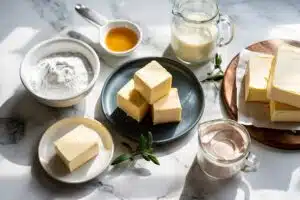
You reach for Tomme Cheese, only to find the spot empty. The recipe stares back at you from the counter.
Understanding what Tomme does helps you pick the right swap. The cheese adds creamy, earthy flavor and melts smoothly in cooked dishes.
Most replacements shift the intensity or texture slightly.

These options range from near-matches to workable stand-ins that change the dish in small ways. The best choice depends on baking, or serving it fresh.
For tomme swaps in cooking, we use Gruyère, Comté, or Fontina first. They share tomme's nutty, savory profile and melt clean for gratins, sandwiches, soups, and tart-style bakes. The main risk is intensity-aged cheddar can sharpen fast, and raclette can run salty. We prioritize salt/acid first, then adjust body by blending a milder cheese if the flavor lands too strong.
7 Smart Tomme Cheese Swaps When You're Out
Each substitute behaves differently in cooking and serving. The closest match depends on whether you need melt, texture, or flavor intensity.
Remember it later
Planning to try this recipe soon? Save it for a quick find later!
| # | Substitute | Best For | Ratio | Key Note |
|---|---|---|---|---|
| 1 | Gruyère Cheese | 🍳 Cooking | 1:1 | More intense, nutty |
| 2 | Fontina Cheese | 🍳 Cooking | 1:1 | Creamier, milder |
| 3 | Comté Cheese | ✨ Both | Equal amounts | Fruity, firmer |
| 4 | Raclette Cheese | 🍳 Cooking | 1:1 | Sticky when melted |
| 5 | Emmental Cheese | ✨ Both | Equal parts | Mild, sweet |
| 6 | Aged Cheddar Cheese | 🍳 Cooking | ¾ cup per 1 cup | Sharp, tangy |
| 7 | Leicester Cheese | 🍳 Cooking | 1:1 | Sweet, nutty |
1 - Gruyère
Gruyère melts smoothly and brings a sharper, nuttier punch than Tomme. The flavor runs stronger, which works in fondues and gratins where you want more depth.
If you need something milder, this swap will push the dish toward boldness instead of subtlety. Each substitute behaves differently.
Understanding the role of tested Gruyere Cheese replacements helps you pick.
- Ratio - Use 1:1 for equal coverage.
- Texture - Firm and smooth; melts without separating.
- Flavor - Nutty with a slight sweetness that intensifies when heated.
Skip if: You want a mild, earthy flavor. Gruyère overpowers delicate recipes.
Gruyère in Fondues
Works for: Rich, nutty depth in cheese pots
Skip if: You need a lighter, less intense melt
Gruyère in Gratins
Works for: Golden, bubbly tops with complexity
Skip if: The dish already has bold spices
2 - Fontina
Fontina melts into a silky pool with less firmness than Tomme. The flavor stays mild and slightly buttery, making it a safer pick for sandwiches and pasta sauces where you don't want the cheese to dominate.
It softens faster than Tomme, so watch your heat. Results vary by dish.
A Fontina Cheese alternatives to try replacement works best when you know its purpose.
Skip if: You need a cheese that stays firm when sliced or grated for a board.
3 - Comté
Comté brings a fruity, nutty edge with a firmer bite than Tomme. It holds up on cheese boards and in cooked dishes where you want structure.
The flavor complexity runs higher, with caramel and hazelnut notes that shift the profile. Results vary by dish.
A Comte Cheese substitutes for cooking replacement works best when you know its purpose.
- Ratio - Use equal amounts without adjusting other ingredients.
- Texture - Dense and slightly crumbly; stays intact when shaved.
- Best for - Cheese boards, baked dishes, or grating over vegetables.
4 - Raclette
Raclette turns creamy and slightly sticky when melted, making it ideal for draping over potatoes or meats. The flavor stays mellow and slightly funky, close to Tomme's earthy tone.
It doesn't hold up as well in firm slices, so stick to melting applications. If you're making a cold dish, the texture feels too soft.
The swap depends on what Raclette Cheese substitutes ranked does in your recipe. Match the function first.
Here's what to know:
- Ratio - Use 1:1 for equal coverage.
- Texture - Creamy and elastic when hot; floppy when cool.
- Melt behavior - Spreads easily but can turn oily if overheated.
- Best for - Topping grilled vegetables, baked potatoes, or charcuterie.
Skip if: You need a cheese that stays firm at room temperature.
| Use | Ratio | Notes |
|---|---|---|
| Melting over potatoes | 1:1 | Drapes smoothly; watch for oil pooling |
| Cheese boards | Not ideal | Too soft; use Comté or aged cheddar |
| Baked casseroles | 1:1 | Creates a creamy layer; don't overbake |
5 - Emmental
Emmental delivers a mild, slightly sweet flavor without the earthiness of Tomme. The melt stays smooth, and the holes don't affect cooking performance.
Don't have swaps when Emmental Cheese runs out either? That page ranks alternatives by melt behavior.
It works in baked dishes where you want melt without strong flavor. The taste won't anchor the dish the way Tomme does, so pair it with stronger seasonings.
Skip if: You need a bold, earthy cheese. Emmental fades into the background.
6 - Aged Cheddar
Aged cheddar brings sharpness and tang that Tomme doesn't have. The flavor punches harder, especially in cooked dishes where the heat amplifies the bite.
Use less than the recipe calls for-about ¾ cup per 1 cup of Tomme-to avoid overpowering the dish. Results vary by dish.
A tested Cheddar Cheese replacements replacement works best when you know its purpose.
What to expect:
- Ratio - Use ¾ cup per 1 cup of Tomme to balance sharpness.
- Best for - Cooked dishes where bold flavor works, like mac and cheese or casseroles.
Skip if: You want a subtle, earthy taste. Cheddar shifts the flavor toward tangy and sharp.
7 - Leicester
Leicester melts smoothly with a slightly sweet, nutty flavor that's less earthy than Tomme. The texture stays creamy in sauces and gratins, and the color adds a warm orange hue to the dish.
Results vary by dish. A Red Leicester Cheese swaps that match replacement works best when you know its purpose.
Skip if: You're serving it fresh. Leicester works better melted than sliced.
Picking the Right Replacement
Most of these swaps work without changing the recipe, but the best choice depends on what you're making. For melting applications like fondues and gratins, Gruyère or Raclette come closest.
For cheese boards or dishes where firmness matters, Comté holds its shape better.
- Closest match - Gruyère for melt and flavor depth
- Easiest grab - Fontina for mild, creamy consistency
- Bold alternative - Aged cheddar when you want sharpness
Frequently Asked Questions
Mozzarella melts well but lacks the earthy, nutty flavor of Tomme. Use it in dishes where melt matters more than taste, like pizza or baked pasta, but expect a milder result.
Gruyère works best. It melts smoothly and adds nutty depth without overpowering the dish. Use a 1:1 ratio and bake at the same temperature.
Yes, but the results differ. In baking, Tomme melts and browns evenly. In cooking, it stays creamy but can separate if overheated. Match the substitute to the method for best results.
Yes. Combine Fontina for creaminess with Gruyère for flavor depth. Use equal parts of each to balance texture and taste.
Cut the sharpness with a splash of cream or milk. This softens the flavor and keeps the texture smooth. Aged cheddar and Gruyère both respond well to this fix.
7 Best Substitutes for Tomme Cheese
Ingredients
Method
- Determine your dish requirements: melting, baking, or serving fresh to pick the best substitute.
- Prepare the substitute as needed by slicing, grating, or shredding depending on your dish.
- Apply the substitute at the recommended ratio; for example, use 1:1 except for aged cheddar which is ¾ cup per 1 cup Tomme.
- Adjust cooking temperature and time to prevent issues such as over-softening (Fontina) or oil separation (Raclette).
- Taste-test and adjust seasoning or add a splash of cream or milk to soften sharp substitutes like aged cheddar or Gruyère.