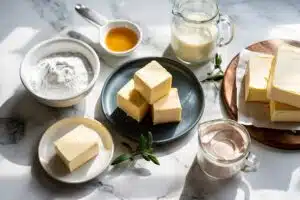
The wedge of Dolcelatte is gone from the cheese drawer. That creamy, sweet blue you relied on for pasta or a cheese board has disappeared.

Not all blue cheeses melt like Dolcelatte or bring that gentle sweetness. Some get sharper with heat, while others stay too firm.
The best swap depends on whether you want something that melts into sauce or holds its shape on crackers.
Here are seven options, from close Italian blues to bolder choices.
Dolcelatte is a creamy, mild blue cheese that melts smoothly into sauces and spreads. For cooking, match creaminess and gentle blue funk first, then adjust salt so it does not get harsh.
7 Dolcelatte Cheese Alternatives in Italian Cuisine
These range from nearly identical Italian blue cheeses to milder picks without the blue cheese flavor. Try the first two if you want something close, or use the mascarpone blend if you prefer a more subtle taste.
Remember it later
Planning to try this recipe soon? Save it for a quick find later!
| # | Substitute | Best For | Ratio | Key Note |
|---|---|---|---|---|
| 1 | Gorgonzola Dolce | ✨ Both | 1:1 | Slightly stronger veining |
| 2 | Cambozola | ✨ Both | 1:1 | Triple-cream texture |
| 3 | Gorgonzola Piccante | 🍳 Cooking | ¾ cup per 1 cup | Much sharper, crumbly |
| 4 | Roquefort | 🍳 Cooking | ⅔ cup per 1 cup | Saltier, tangy bite |
| 5 | Creamy Blue Cheese | ✨ Both | 1:1 | Milder, simpler flavor |
| 6 | Mascarpone Mix | 🍳 Cooking | ¾ cup + ¼ cup blue | Ultra-creamy, subtle |
| 7 | Brie or Camembert | ✨ Both | 1:1 | No blue tang at all |
1 - Gorgonzola Dolce
Gorgonzola Dolce melts into risotto and pasta sauces just like Dolcelatte. The blue veins are a bit more noticeable, but the texture and sweet-tangy balance are almost the same.
The flavor is slightly funkier. The blue comes through more, especially when warmed, but it never gets too sharp.
Here's what to know:
- Ratio: 1:1 direct swap
- Best for: Cheese boards, risotto, creamy pasta sauces
- Texture: Creamy, spreads easily, melts smoothly
- Flavor: Sweet-tangy with stronger blue notes
Skip if: You want zero blue cheese presence.
Cambozola is richer than Dolcelatte but has a milder blue flavor. It spreads easily on crackers and melts into sauces without breaking.
The creamy texture comes from extra cream in the cheese. If you don't have Cambozola, there are other mild blue cheeses that work instead.
Quick specs:
Skip if: You want a sharper, more assertive blue cheese taste.
Gorgonzola Piccante is much sharper and more pungent than Dolcelatte. The texture is firmer and crumbly, so it's good for crumbling over pizza or tossing into strong pasta dishes.
Use less than you would Dolcelatte. The flavor is twice as strong, so three-quarters of the amount is usually enough.
2 - Cambozola
Skip if: You need a mild, sweet, creamy cheese.
Roquefort is salty and tangy, good for salad dressings and on grilled steaks. The texture crumbles instead of spreading, so it sits on top of dishes rather than melting in.
- Ratio: 1:1 direct swap
- Best for: Cheese platters, spreading on crackers, melting into sauces
- Texture: Ultra-creamy, brie-like softness
- Flavor: Milder blue notes, buttery finish
The sheep's milk makes it sharper than most cow's milk blue cheeses. If you can't find Roquefort, other French blues with similar sharpness will work.
3 - Gorgonzola Piccante
Skip if: You want a sweet, mild Italian-style blue cheese.
Danish and domestic creamy blue cheeses melt well into dips and dressings. They have a milder flavor and are easy to use for everyday cooking.
These cheeses don't have the same Italian character as Dolcelatte. If you're out of blue cheese, there are other options sorted by intensity and creaminess.
- Ratio: ¾ cup for every 1 cup of Dolcelatte
- Best for: Bold pasta dishes, pizza toppings, strong flavor pairings
- Texture: Firm, crumbles easily, less creamy
- Flavor: Sharp, pungent, assertive blue tang
Skip if: You need authentic Italian flavor for traditional recipes.
4 - Roquefort
Mixing mascarpone with a little blue cheese lets you control the blue flavor. Start with three parts mascarpone and one part crumbled blue, then adjust to taste.
This works best in delicate pasta dishes where Dolcelatte might be too strong. The mascarpone keeps things smooth and creamy, while the blue adds just enough flavor.
5 - Creamy Blue Cheese
If you don't have mascarpone, other creamy cheeses work for blending.
Start with less blue cheese than you think you need. You can always add more, but you can't take it out once the flavor is too strong.
Skip if: You want pronounced blue cheese character.
| Use | Ratio | Notes |
|---|---|---|
| Dips | 1:1 | Melts smoothly, mild funk |
| Dressings | 1:1 | Blends easily, tangier finish |
| Pasta sauces | 1:1 | Less complex, still creamy |
6 - Mascarpone Mix
Brie and Camembert are creamy without any blue cheese flavor. The earthy, mushroom notes work when you want a soft, melting cheese but no blue taste.
They melt like Dolcelatte but taste very different. Use them when you want creaminess and don't mind missing the blue flavor.
What to expect:
- Ratio: ¾ cup mascarpone plus ¼ cup crumbled blue per 1 cup Dolcelatte
- Best for: Delicate pasta dishes, subtle blue flavor
- Texture: Ultra-creamy, smooth, spreads easily
- Flavor: Sweeter, less sharp, hint of blue tang
Cut off the rind before melting if you want to avoid a slightly bitter taste. The rind softens but doesn't disappear, and some people find it too strong in sauces.
Let the cheese come to room temperature before melting. Cold Brie or Camembert takes longer to melt and can clump in sauces.
Skip if: Blue cheese flavor is essential to the dish.
7 - Brie or Camembert
The best substitute depends on whether you want that sweet blue flavor or just creamy texture. Gorgonzola Dolce is the closest match for most recipes, while the mascarpone mix lets you control the strength.
These cheeses melt similarly to Dolcelatte but taste completely different. They work best when the recipe calls for creaminess and you don't mind losing the blue flavor.
What to expect:
- Ratio: 1:1 direct swap
- Best for: Creamy texture without blue cheese flavor
- Texture: Soft, buttery, melts smoothly
- Flavor: Earthy, mushroomy, no blue tang
Cut off the rind before melting unless you want a slightly bitter edge. The white mold rind softens but doesn't disappear, and some people find it too strong in sauces.
Use room-temperature cheese for easier melting. Cold Brie or Camembert takes longer to break down and can clump in sauces.
Skip if: Blue cheese flavor is essential to the dish.
Before You Cook Without Dolcelatte Cheese
The right substitute depends on whether you need that sweet blue funk or just creamy texture. Gorgonzola Dolce comes closest for most uses, while the mascarpone mix gives you control over intensity.
- Closest match - Gorgonzola Dolce for near-identical results
- Easiest grab - Creamy blue cheese from any grocery
- Bold alternative - Gorgonzola Piccante when you want sharpness
Frequently Asked Questions
Yes, but expect a milder, less complex flavor. Regular blue cheese works in dips and dressings, but it lacks the sweet creaminess that makes Dolcelatte stand out in pasta sauces and on cheese boards. Use the same amount and taste as you go.
Most blue cheeses age longer than Dolcelatte, which intensifies the tang. Gorgonzola Piccante and Roquefort carry much more punch because they're aged for sharpness. Cut the amount by a quarter if the flavor overpowers your dish.
Yes, but the texture changes. Frozen blue cheese crumbles easily but turns grainy when thawed. Use thawed cheese in cooked dishes like pasta sauces or soups where texture matters less. Skip freezing for cheese boards or spreads.
Gorgonzola Dolce or Cambozola melt into risotto smoothly without separating. Both bring creaminess and blue tang that match Dolcelatte's behavior. Stir in the cheese off heat at the end so it melts gently without turning grainy.
Mix the blue cheese with mascarpone, cream cheese, or ricotta to mellow the tang. Start with a 1:1 ratio and adjust based on how much blue flavor you want. This trick works especially well in pasta sauces and spreads.
7 Best Substitutes for Dolcelatte Cheese
Ingredients
Equipment
Method
- Use Gorgonzola Dolce as a 1:1 direct swap for Dolcelatte. It melts similarly with a slightly stronger blue note but remains creamy and sweet-tangy.
- Swap Cambozola 1:1 for a richer, triple-cream texture with milder blue flavor, suitable for spreading or melting without separation.
- Use ¾ cup of Gorgonzola Piccante per 1 cup of Dolcelatte for a sharper, crumblier cheese best in bold pasta or pizza.
- Replace with ⅔ cup Roquefort to add salty, tangy bites that crumble cleanly, ideal for salads or steak toppings but not for melting.
- Creamy Blue Cheese can be used 1:1 in dips, dressings, and sauces when a milder, less complex blue cheese is acceptable.
- Mix ¾ cup mascarpone with ¼ cup crumbled blue cheese per cup of Dolcelatte for a subtle flavor, especially in delicate pasta dishes.
- Brie or Camembert can replace Dolcelatte 1:1 for creamy texture without blue tang. Remove rind before melting to avoid bitterness.