
Italicus opens with a wave of bergamot - that same aromatic citrus rind that defines Earl Grey tea - lifted by jasmine and a soft, almost powdery floral finish.
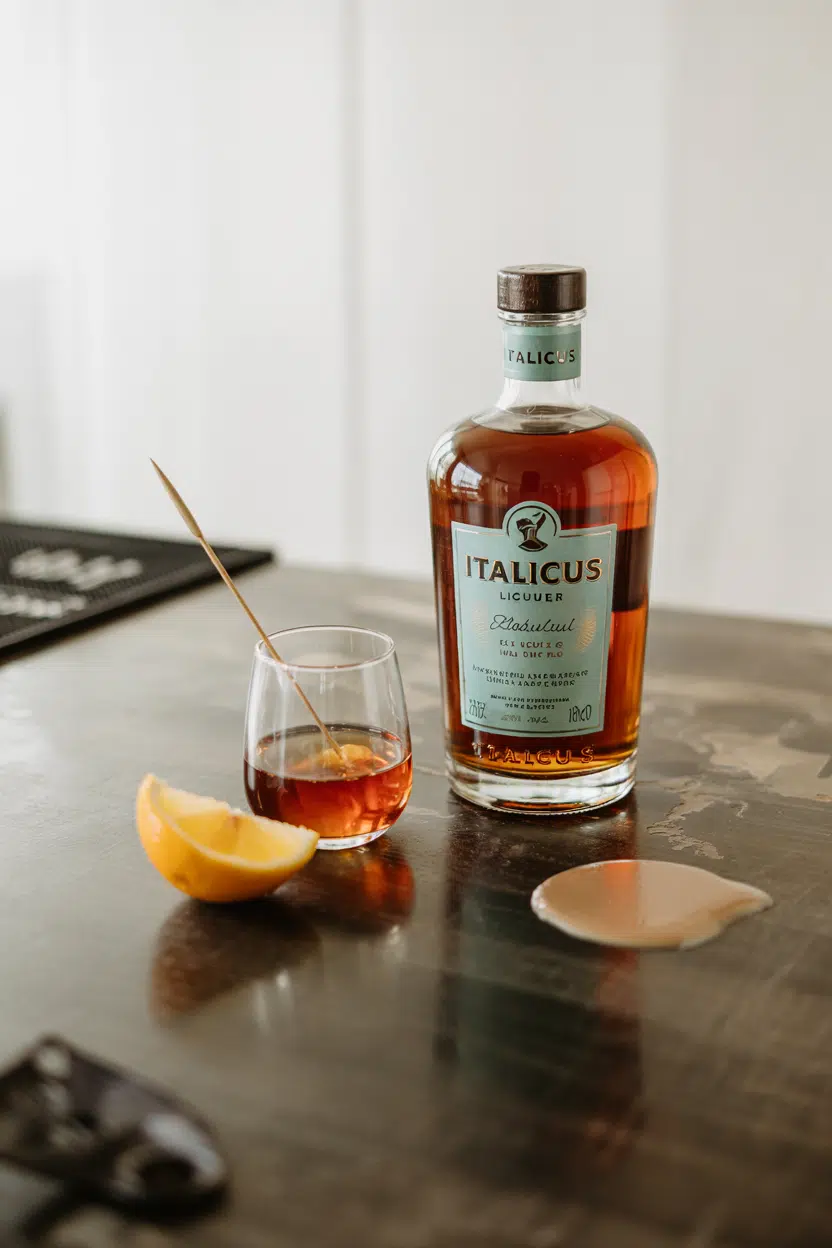
It sits in a category of Italian rosolio liqueurs that most drinkers outside Italy have only recently encountered, landing somewhere between an elderflower liqueur and a bitter-edged citrus aperitivo.
If you already navigate drinks like replacements for aperol or campari swaps that work, Italicus rewards the same kind of curious attention.
Italicus is an Italian rosolio di bergamotto - a floral-citrus liqueur built around bergamot rind and jasmine. Silky, moderately sweet, and gently bitter at the finish, it works in cocktails, aperitivo spritzes, and as a light dessert accent. Use it the way you'd reach for elderflower liqueur, but expect brighter citrus.
What Is Italicus Liqueur?
Italicus is a rosolio di bergamotto - a modern Italian liqueur released in 2016 by bartender Giuseppe Gallo, drawing on the ancient rosolio tradition of Piedmont while centering its flavor on bergamot, the fragrant citrus grown along Calabria's Ionian coast and the Amalfi region.
Remember it later
Planning to try this recipe soon? Save it for a quick find later!
Rosolio itself is one of Italy's oldest liqueur styles, historically made with rose petals and grain spirit, though modern expressions range widely in their botanical base.
This particular bottle builds on bergamot peel as its primary flavor, then layers in floral botanicals - jasmine, chamomile, lavender, and gentian among them.
The result sits firmly in the aromatic citrus liqueur category alongside elderflower-forward expressions like St‑Germain, though Italicus is distinctly more citrus-forward and carries a clean bitter edge that most elderflower liqueurs lack.
It's also known as Italicus Rosolio di Bergamotto or simply bergamot liqueur, and it typically runs between 17-20% ABV - lower than most spirits, closer to vermouth territory.
Unlike amaro averna, which leans toward dark bitter herbs, Italicus stays light, bright, and floral throughout.
What Does Italicus Liqueur Taste Like?
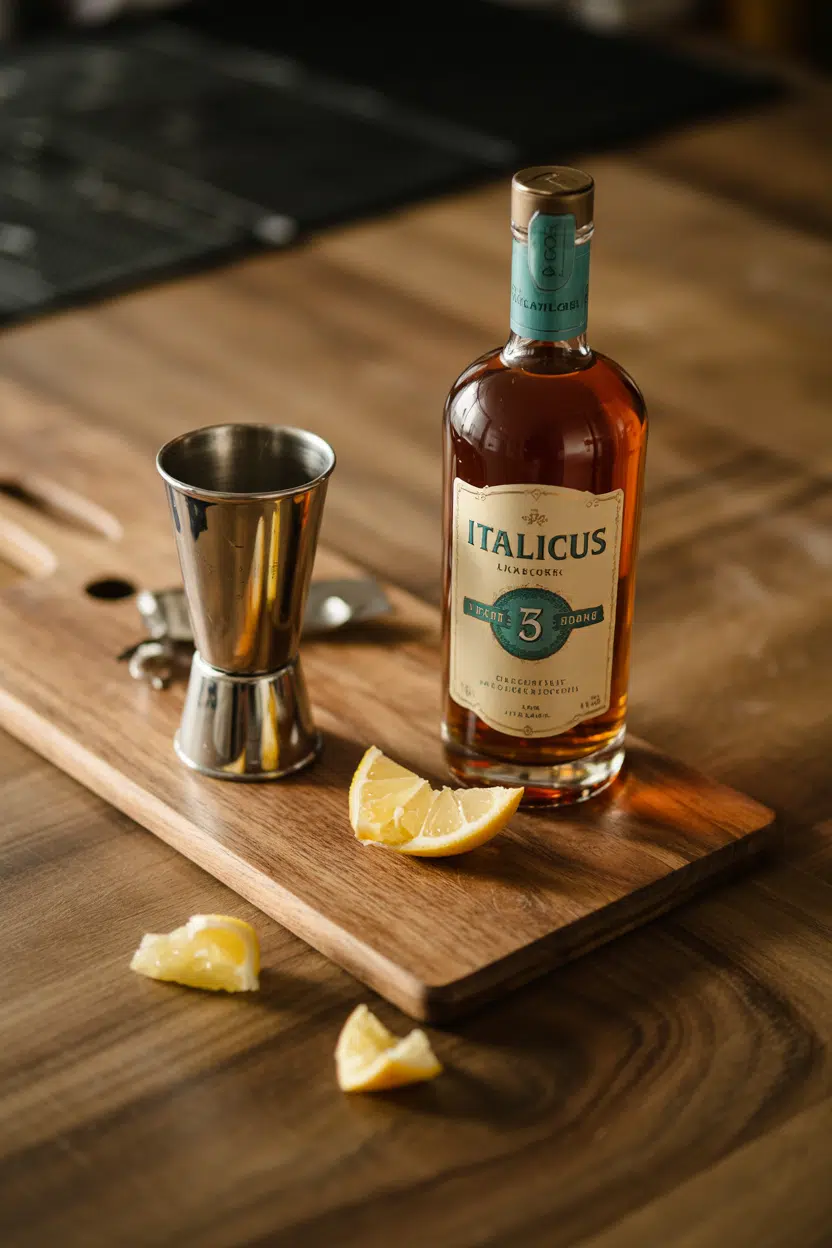
The easiest reference point is St‑Germain meets bergamot tea - floral sweetness up front, then a bright citrus wave, then a slightly bitter mandarin note that cleans the finish.
It's not aggressively sweet, and that bitter tail keeps it from reading as cloying.
On the palate, the texture is silky and lightly viscous, which helps it integrate into stirred drinks without going watery. A faint herbal-mint thread runs underneath the dominant bergamot, adding complexity without announcing itself.
Served cold and neat, it tastes closer to a sophisticated citrus aperitivo than a dessert liqueur.
How to Use Italicus Liqueur
Italicus earns its place in cocktails the same way vermouth does - as a modifier, not the base. A small measure shifts the whole drink's register toward floral-citrus without dominating.
Start with 15-20ml wherever you'd reach for elderflower liqueur or a light amaro.
- 🍸 Negroni variation - Replace half the sweet vermouth with Italicus; the bergamot cuts through the bitterness of Campari cleanly. Check the guide to [making classic italian negroni at home](https://forkliftkitchen.com/negroni/) before adjusting ratios.
- 🥂 Prosecco spritz - 20ml Italicus, 90ml Prosecco, a splash of sparkling water, and a strip of lemon peel. Serve over ice.
- 🍋 Gin and tonic lift - A small pour alongside gin adds floral-citrus depth without competing with botanical-heavy gins.
- 🍮 Dessert glaze - Reduce gently with a little sugar to make a syrup for drizzling over citrus panna cotta or roasted pears.
- 🍧 Boozy granita or sorbet - Fold a splash into a lemon or bergamot granita base; the alcohol lowers the freeze point slightly for a softer texture.
| Method | Best For | Tip |
|---|---|---|
| 🍹 Stirred/Shaken | Cocktail modifier, Negroni riffs, gin drinks | Start at 15ml; add more to taste - floral notes intensify fast |
| 🍯 Reduced to Syrup | Glazing fruit, finishing pastry, drizzling over tarts | Reduce at low heat; high heat kills the top-note aromatics |
| 🍦 Folded In | Boozy creams, custards, granita bases | Add after cooking, not during, to preserve floral character |
For drinks that need a non-alcoholic direction, the guide to italicus liqueur swaps that work covers the closest alternatives - including options for mocktail menus.
The overlap with limoncello-style liqueurs is closer than most expect, so the limoncello swaps that work list is worth a cross-reference if you're building a bottle-light bar.
How to Buy and Store Italicus Liqueur
At the bottle shop, confirm the label reads "Rosolio di Bergamotto" - that tells you the bergamot base is genuine, not a bergamot-flavored approximation. Check the liquid color: it should be a clean pale amber, free of sediment or cloudiness.
ABV typically sits between 17-20%.
Once opened, store upright in a cool, dark cupboard with the decorative stopper firmly in place.
The floral aromatics are the first thing to fade, so regular openers will notice a duller nose within 18 months.
For a full breakdown of timelines and signs of decline, how long italicus liqueur keeps covers the detail.
Unopened bottles stay sound for several years if kept away from heat.
Where to Start With Italicus
New to the bottle? Build a Prosecco spritz first. It uses a small pour, needs no mixing skill, and shows you exactly what bergamot and jasmine do together before you commit it to a more complex drink.
- Already use elderflower liqueur - Swap Italicus in directly; expect more citrus brightness and a cleaner, drier finish.
- Building a Negroni riff - Replace half the sweet vermouth; don't cut the Campari, which the bergamot actually complements.
- Cooking with it - Reduce it into a glaze at low heat only; high temperatures destroy the top-note aromatics that make it worth using.
If it's not available locally, the guide to alternatives to st germain liqueur lists the closest shelf-ready replacements across the floral-citrus category.
Frequently Asked Questions
Primarily sweet, but with a genuine bitter edge. The bergamot rind and gentian botanical contribute a clean, bitter-mandarin finish that prevents it from reading as purely sweet. It's closer to semi-sweet in practice.
Yes - bergamot peel is the primary botanical. The "Rosolio di Bergamotto" classification on the label confirms this, distinguishing it from liqueurs that use bergamot flavoring rather than the actual citrus rind.
Partially, and only as a modifier. Italicus lacks vermouth's wine base and savory herbaceous notes, so a full swap changes the drink significantly. Use it to replace half the sweet vermouth in stirred cocktails rather than the whole measure.
Serve it cold, neat or over a large ice cube in a stemmed glass. A strip of lemon peel or a few green olives alongside - the classic Italian rosolio accompaniment - frames the floral bitterness well.
Generally yes - no dairy, eggs, or gluten-containing grains are used in production. However, check the current producer notes directly, as botanical sourcing and processing aids can vary between batches.



