
Most cooks assume bonito flakes are simply a garnish - those feathery wisps waving on hot dishes for show - but that reading misses most of what they do. Katsuobushi, the Japanese name for the dried, smoked, fermented block these flakes are shaved from, is one of the highest natural sources of inosinate, the compound that makes umami sing.

If you've reached for swapping out furikake as a topping or wondered why a broth tasted flat without them, understanding bonito flakes from the ground up changes how you cook.
Bonito flakes are paper-thin shavings of katsuobushi - skipjack tuna that's smoked, fermented, and dried hard. They deliver a smoky, salty, deep umami flavor used in dashi stock, as a finishing topper, or as a seasoning base across Japanese cooking.
What Is Bonito Flakes?
Bonito flakes come from skipjack tuna (Katsuwonus pelamis), processed through one of food's most involved preservation methods.
Remember it later
Planning to try this recipe soon? Save it for a quick find later!
The fish is boiled, smoked repeatedly, then inoculated with Aspergillus glaucus mold and left to ferment and dry for months - sometimes years for premium grades - until the block becomes nearly as hard as wood.
That block is katsuobushi. Shaving it produces the flakes most people encounter in grocery stores.
The shave thickness matters: hana-katsuo refers to the fine, feathery flakes sold for finishing and topping, while kezurikatsuo is a thicker cut better suited to extracting flavor in stock. Both are bonito flakes, but they behave differently in the kitchen.
Japan's Kōchi and Kagoshima prefectures are the centers of traditional production, and the ingredient appears under several names depending on context.
- 🐟 Katsuobushi - the whole dried block and its category name
- 🌸 Hana-katsuo - thin finishing flakes ("flower bonito")
- 🔪 Kezurikatsuo - thicker shave for dashi brewing
- 🌊 Bonito shavings - the common English label on packaging
What Does Bonito Flakes Taste Like?
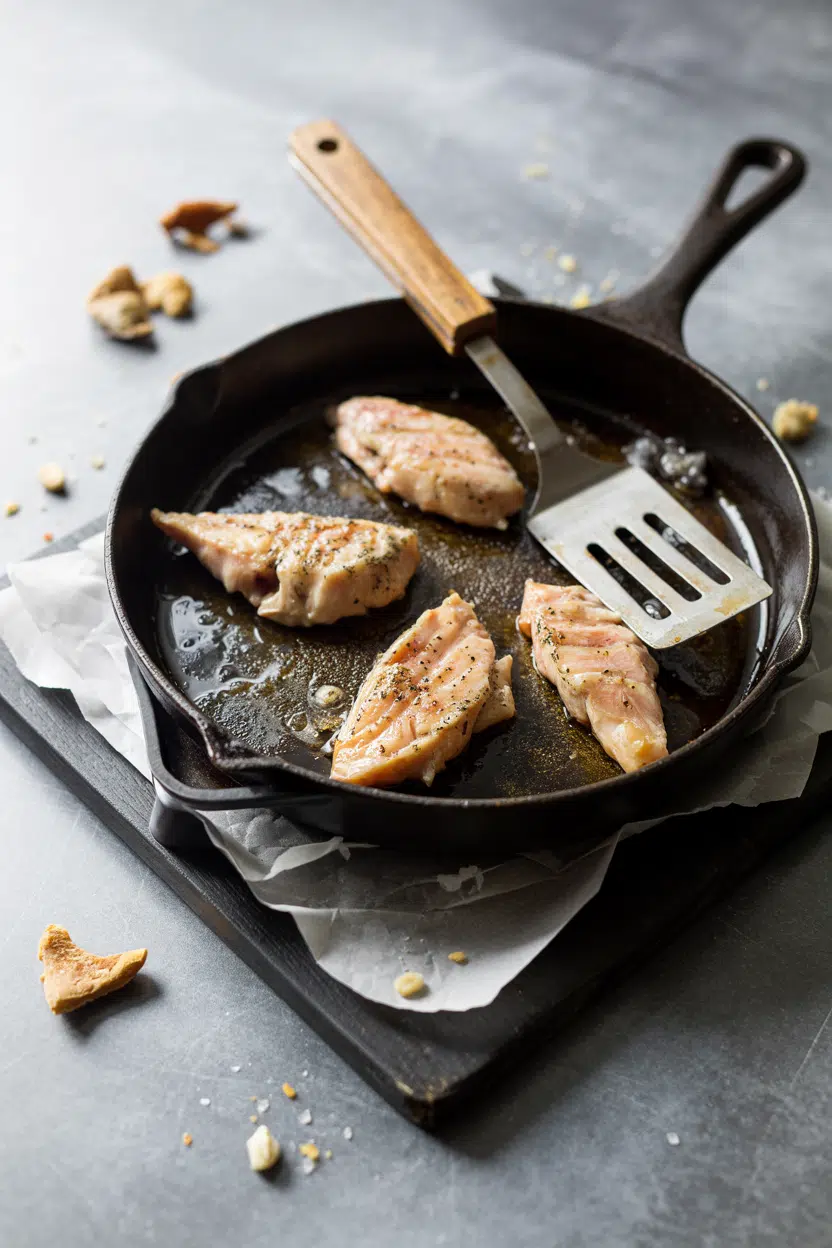
The flavor lands somewhere between anchovy and Parmesan - both share glutamate-forward umami - but bonito flakes bring a dry smokiness that neither has.
The fishiness is clean, not oily or briny, which makes these flakes far more neutral-tasting than you'd expect from a fermented fish product.
Heat changes the experience noticeably. Steeped in hot water for dashi, the flakes release inosinate and amino acids into the liquid, leaving behind spent shavings that have given most of their flavor.
Eaten dry as a topper, they carry more smoke and salt on the palate.
How to Use Bonito Flakes
Dashi is the most important use by volume. A basic ichiban dashi steeps kombu in cold water, brings it just to a simmer, removes the kombu, then adds a generous handful of bonito flakes and cuts the heat immediately. The flakes steep for three to four minutes, then strain out - the result is a light, clear stock that forms the base of miso soup, ramen broth, and countless Japanese sauces. For a deeper, second-draw stock (niban dashi), the spent flakes go back in and simmer longer.
As a finishing element, bonito flakes go on just before serving.
Scattered over hot okonomiyaki - the savory Japanese pancake - the flakes undulate with the rising steam in the dish's most recognizable visual moment.
The same approach works on takoyaki and hot tofu (hiyayakko).
If you want to understand keeping okonomiyaki fresh after cooking, knowing that those flakes on top soften quickly helps set timing expectations.
Beyond Japanese technique, bonito flakes work well stirred into dressings and vinaigrettes for an umami punch - a small amount in a soy-based dressing adds savory depth without obvious fishiness.
Cooks working with swapping out soy sauce in a recipe will often find bonito flakes help compensate for the lost salt and umami.
They also grind into a dry seasoning powder alongside sesame and nori as a furikake component.
| Method | Best For | Tip |
|---|---|---|
| 🍵 Steeped | Dashi stock, broths, ramen base | Don't boil - steep off heat 3-4 min to keep dashi clear |
| 🌸 Raw finish | Okonomiyaki, tofu, takoyaki topping | Add at the last second; heat makes them wave and softens texture |
| 🧂 Powdered | Furikake, dry rubs, dressings | Pulse briefly in a spice grinder; season immediately |
| 🥘 Simmered | Braised vegetables, niban dashi | Use spent dashi flakes for a second, richer extraction |
How to Buy and Store Bonito Flakes
Good flakes look pale pink-beige to light brown and feel completely dry and papery to the touch.
Avoid anything that clumps, looks grey, or carries a musty or sour smell - that signals moisture damage or age.
For dashi, look for thicker-cut kezurikatsuo or labeled "thick shave." For finishing dishes, thin hana-katsuo that flutters when you open the bag is the right choice.
Once open, transfer flakes to an airtight jar and store in a cool, dark pantry or the refrigerator. Refrigeration extends aroma life noticeably.
For a full breakdown of keeping bonito flakes fresh across different storage conditions, the timing differences between pantry and fridge are worth knowing before you buy in bulk.
Unopened bags last several months at room temperature. Open bags are best used within one to three months for peak smokiness.
The flakes won't become unsafe quickly, however, they will lose most of what makes them worth using.
Where to Start With Bonito Flakes
Make dashi first. A 10-minute kombu-and-bonito steep shows you exactly what these flakes bring to a dish - the broth is light but unmistakably savory in a way stock cubes don't replicate.
From there, try scattering a small handful over hot rice or tofu to experience the texture and finishing role.
If substitutes are your starting point, a guide to alternatives to bonito flakes maps out which options come closest for dashi versus finishing.
For a plant-based dashi, shiitake mushroom stand-ins show how dried shiitake and kombu can approximate the savory depth without fish.
Similarly, the fermentation character in bonito has some parallels with how kombucha's flavor and uses work - both involve controlled microbial activity creating complexity from a simple base.
Frequently Asked Questions
No. Bonito fish refers to fresh skipjack tuna, while bonito flakes are the result of a months-long process of smoking, fermenting, and drying that same fish into a hard block. The flavor and texture have almost nothing in common with fresh fish.
Add a large handful to just-simmered water after removing the kombu, then steep off the heat for three to four minutes and strain. Boiling the flakes makes dashi cloudy and slightly bitter.
No. Bonito flakes are a fish product and are not suitable for vegetarian or vegan diets. Plant-based dashi typically uses kombu alone, or kombu combined with dried shiitake mushrooms.
Not strictly, however refrigeration does preserve the smoky aroma significantly longer after opening. An unopened bag keeps at room temperature, but once open, a sealed jar in the fridge is the better option.
The flakes are thin enough that rising heat and steam from the dish physically moves them. It's convection, not any property unique to the flakes - but their extreme thinness makes the effect visible.



