
Cubanelle pepper earns its place in the pan before anything else happens - sliced into a hot skillet with olive oil and garlic, it softens in minutes and sweetens as it cooks.
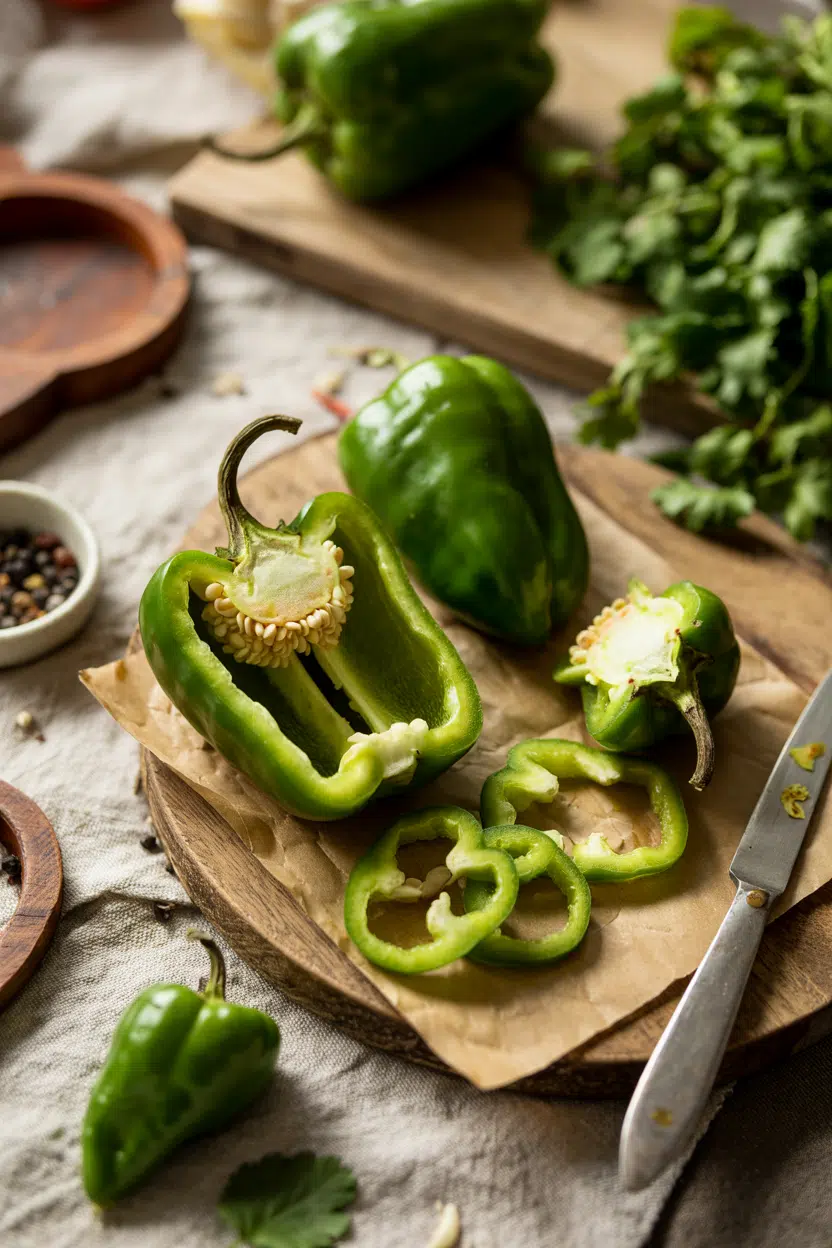
Few peppers move between raw crunch and silky tenderness so quickly, which is why Caribbean and Italian kitchens have relied on it for generations.
Cooks who want something milder than a seasoning with banana pepper but thinner-skinned and less watery than a bell are exactly who this pepper was built for.
If you're already familiar with the frying pepper category, cubanelle is where it peaks - and if alternatives to banana pepper brought you here, you'll find this one worth knowing well.
The cubanelle pepper is a thin-walled sweet frying pepper with mild heat, a lightly sweet and grassy flavor, and a tender texture that softens fast in the pan. It's a staple in Caribbean and Italian cooking, raw or cooked.
What Is cubanelle pepper?
Cubanelle is a sweet frying pepper with an elongated, tapered shape and thin, tender walls.
Remember it later
Planning to try this recipe soon? Save it for a quick find later!
It originated in the Caribbean and northern South America, gaining particular traction in Cuba before Italian immigrant communities in the United States adopted it as their go-to frying pepper.
You'll find it sold under several names. Cuban pepper, Italian frying pepper, ají cubanelle, and Cubanelle chili all refer to the same fruit - the name shifts by region and market.
At the store, it typically appears pale yellow-green, though fully ripe specimens turn red and taste noticeably sweeter.
Size-wise, it runs four to six inches long and narrower than a bell pepper, with skin thin enough that it blisters and softens under heat faster than almost any other sweet pepper.
- 🌶️ Category - sweet pepper / frying pepper
- 🌍 Origin - Caribbean and northern South America, popularized in Cuba and Italy
- 🏷️ Alternate names - Cuban pepper, Italian frying pepper, ají cubanelle
- 🎨 Color range - pale yellow-green when young, ripens to red
What Does cubanelle pepper Taste Like?
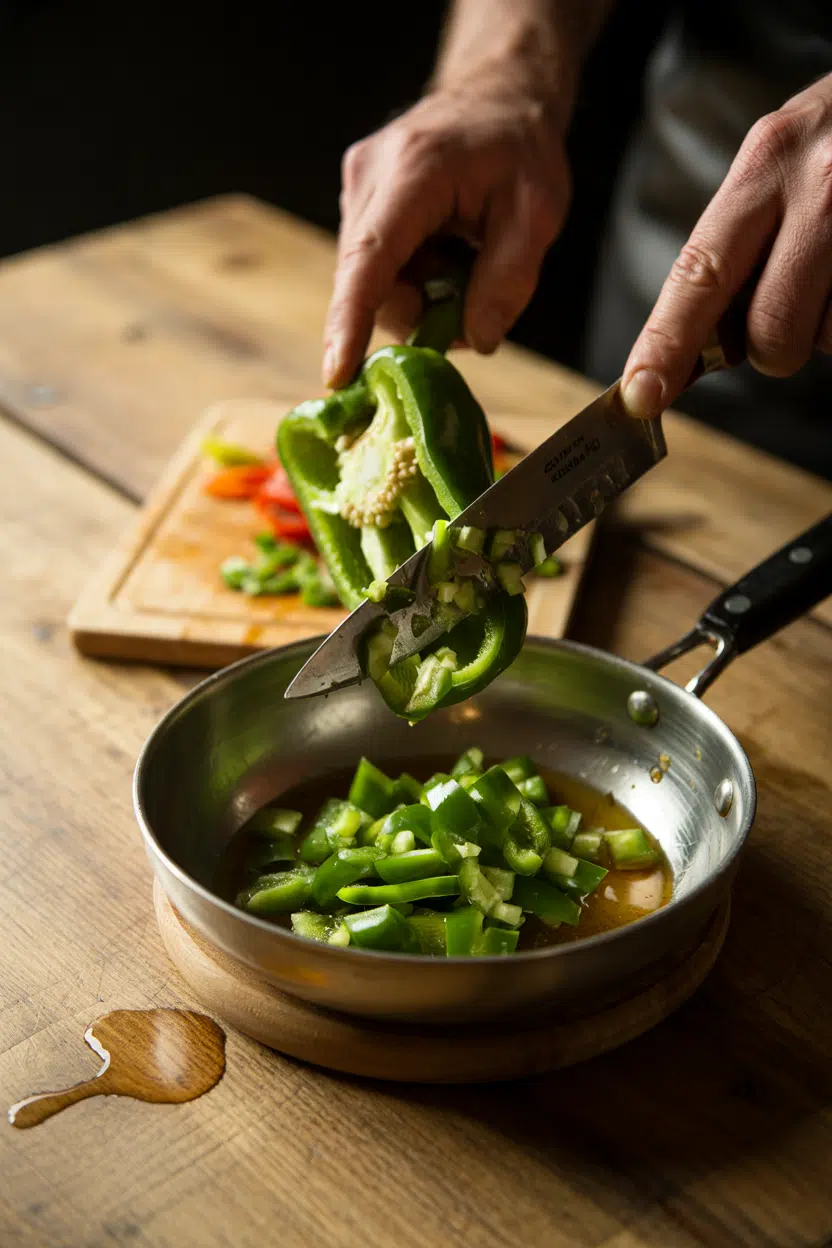
Raw cubanelle has a mild, grassy sweetness with a light vegetal edge - cleaner and less sharp than a green bell pepper, and gentler than a banana pepper.
Some batches carry a faint, low heat that registers more as warmth than spice.
Heat transforms it noticeably. Cooking concentrates the natural sugars, the grassy edge fades, and the pepper takes on a soft, almost jammy sweetness.
Ripe red cubanelles push that fruit note further - closer to a roasted pimento than anything sharp or bitter.
Compared to a bell pepper, cubanelle is thinner-skinned, less watery, and noticeably sweeter without the flat, starchy quality a green bell can carry.
It's also milder than most banana peppers while sharing the same general frying pepper profile - handy context if you've already looked at replacements for jalapeno pepper and want something on the gentler end of the spectrum.
How to Use cubanelle pepper
Sautéing is cubanelle's strongest role. A hot pan with olive oil brings out its sweetness within five minutes, making it ideal for Italian-style peperonata over pasta or piled onto sandwiches. The thin walls mean it doesn't need long cooking - high heat and a short window is all it takes.
Stuffing works too, though cubanelle's narrower cavity suits cheese or crumbled meat better than the dense fillings you'd pack into a bell pepper.
For sofrito - the aromatic base common across Caribbean cooking - cubanelle adds body and sweetness without competing with the other aromatics.
Understanding seasoning with recaito vs sofrito helps clarify where cubanelle fits in that base versus where herbs take over.
Raw, it brings a tender crunch to salsas and salads that holds up better than you'd expect given how quickly it cooks.
Pickling is another strong use - a quick vinegar brine keeps the flesh firm and adds acid contrast on sandwiches or burgers.
| Method | Best For | Tip |
|---|---|---|
| 🥗 Raw | Salsas, salads, fresh toppings | Slice thin so the tender wall doesn't feel flabby |
| 🍳 Sauté / Pan-Fry | Peperonata, antipasti, sandwiches | High heat, short time - 4 to 6 minutes max |
| 🔥 Roast / Broil | Milder roasted pepper alternative, dips | Skin blisters fast - watch closely under the broiler |
| 🫙 Quick-Pickle | Sandwich toppings, burgers, condiments | Use a 1:1 vinegar-to-water brine; ready in 24 hours |
| 🍲 Sofrito / Stew Base | Caribbean and Latin rice dishes, beans | Add early - thin walls melt into the sauce |
How to Buy and Store cubanelle pepper
Firmness is the first thing to check. A good cubanelle feels solid along its full length, with glossy skin and no soft patches or brown pitting. Wrinkled skin signals age - the pepper will still cook, however the texture and flavor will be diminished.
Color tells you about ripeness, not quality. Pale yellow-green is standard and slightly grassier; light red means sweeter and more fruit-forward.
Both are worth buying depending on what the dish needs.
Store whole peppers unwashed in a perforated plastic bag in the crisper drawer, and plan to use them within a week.
For a full breakdown of how long they hold under different conditions, the cubanelle pepper's shelf life guide covers refrigerator, counter, and sliced timelines in detail. Once cut, use within two to three days.
Where Cubanelle Fits in Your Kitchen
Cubanelle is the pepper to reach for when you need sweetness without heat and tenderness without bulk.
It outperforms a bell pepper in cooking anywhere fast heat and quick softening matter - and it's a better choice than bell for sofrito and peperonata where thin walls and low water content keep the base tight, not watery.
If you cook Caribbean, Italian, or Latin American food regularly, keep a few in the crisper at all times.
They're one of the most useful frying peppers at the market - and among the easiest to cook well.
For anyone building out their pepper pantry, the alternatives to bell pepper guide is a useful next step for understanding where each sweet pepper earns its place.
Frequently Asked Questions
No - cubanelle rates between 0 and 1,000 Scoville units, which puts it firmly in the sweet pepper range. Occasional batches carry a faint background warmth, however it never builds into actual heat.
Place whole peppers under a broiler or directly over a gas flame, turning until the skin blisters and chars on all sides - about 8 to 10 minutes. Transfer to a covered bowl for 10 minutes, then peel the skin off easily with your fingers.
Yes, though texture suffers - thin walls turn soft and watery after thawing. Freeze sliced or diced cubanelle on a sheet tray first, then transfer to a bag; use directly from frozen in cooked dishes only.
Cubanelle is sweeter, thinner-skinned, and less watery than a green bell pepper. It also cooks faster and doesn't carry the flat, slightly bitter edge that green bell peppers often do.
Slice the peppers into rings and pack them into a clean jar. Pour over a warm brine of equal parts white vinegar and water with a teaspoon of salt and sugar; seal and refrigerate for at least 24 hours before using.



