
Tuaca earns its place in a drink or dessert not through subtlety but through specificity - it delivers vanilla, citrus, and brandy warmth in one pour where three separate ingredients would otherwise be needed.
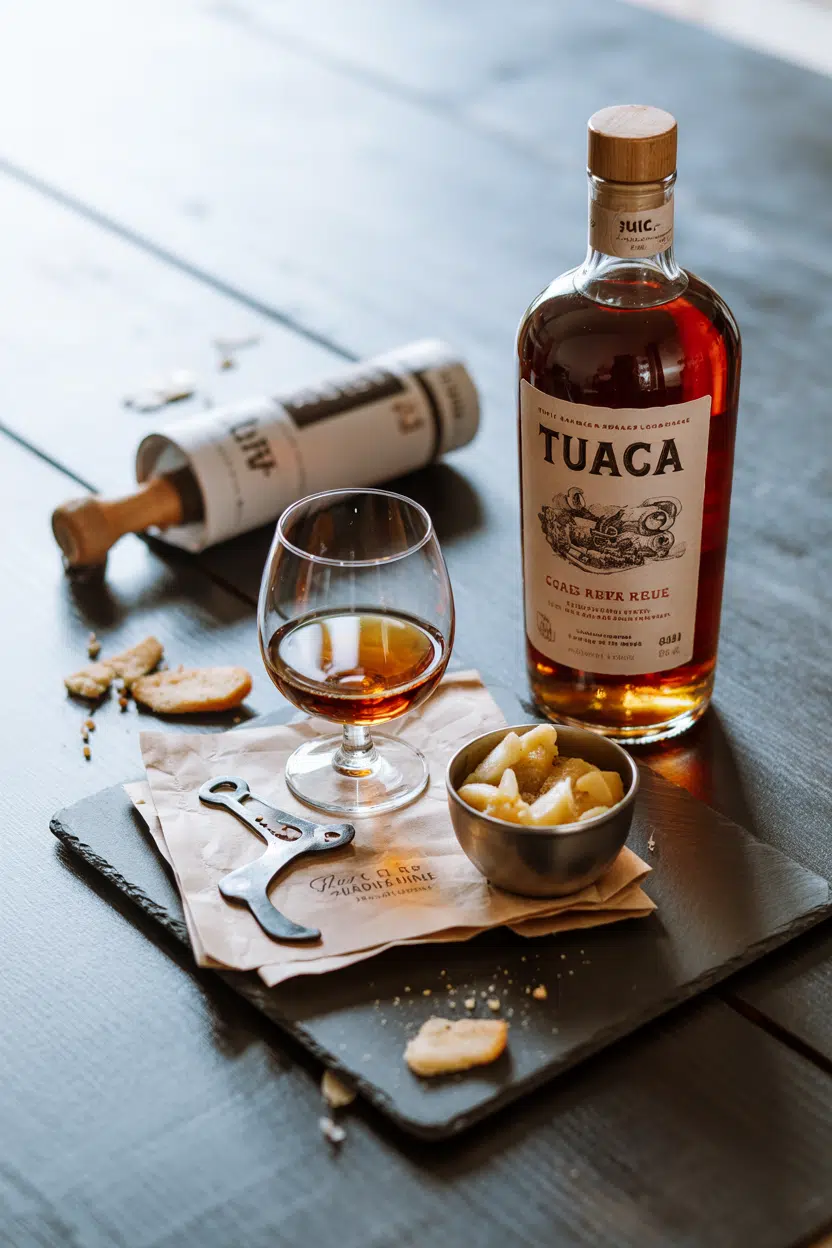
A small bottle on the shelf handles replacements for brandy in sweet applications without sacrificing the aromatic lift that makes a sauce or cocktail feel finished.
Most people encounter it first in a coffee drink and immediately start asking what else it can do.
The answer is more than expected.
Tuaca is a brandy-based Italian liqueur flavored with vanilla and citrus peel. Sweet, amber, and moderately strong at ~35% ABV, it works in cocktails, hot coffee drinks, and desserts. An opened bottle holds quality for 1-2 years when stored cool.
What Is Tuaca?
Tuaca is a sweet, amber-hued Italian liqueur built on a brandy base and flavored with vanilla extract and citrus oils - primarily mandarin and orange peel.
Remember it later
Planning to try this recipe soon? Save it for a quick find later!
The brand claims Tuscan origins, with stories linking it to Renaissance-era Florence, though those historical claims are more legend than verified record.
It sits in the category of sweet citrus-vanilla liqueurs, somewhere between a spiced brandy and an orange curaçao.
You may also see it labeled Tuaca Toscana or Tuaca Vanilla-Citrus Brandy; Tuacca (double-c) is a common misspelling but refers to the same product.
Unlike most fruit liqueurs, Tuaca doesn't taste like a single citrus fruit. The orange peel and mandarin oils merge with vanilla to produce a rounded sweetness that doesn't tip into candy territory.
- 🍂 Base spirit - brandy, which gives it more body and warmth than vodka-based liqueurs
- 🍋 Citrus character - mandarin and orange peel oils, not fresh juice
- 🌿 Sweetness level - noticeably sweet but not cloying; closer to amaretto than triple sec
- 📍 ABV - approximately 35%, similar to most mid-strength liqueurs
What Does Tuaca Taste Like?
Tuaca tastes like a vanilla-forward orange curaçao crossed with a mellow brandy - sweet up front, citrusy through the mid-palate, and warm at the finish.
The brandy backbone adds depth that most orange liqueurs lack, giving it a slightly roasted, almost caramel quality that lingers.
When added to heat - stirred into espresso or reduced in a sauce - the alcohol softens and the vanilla note sharpens. Cold, in a shaken cocktail, the citrus reads brighter and the brandy recedes.
Neither version is aggressive; moderate intensity means it layers well without overpowering other ingredients.
How to Use Tuaca
Tuaca's most natural home is hot coffee and espresso drinks. A 30 ml pour stirred into a short espresso adds vanilla and citrus without needing simple syrup or dairy.
It also works well alongside dishes alongside gelato where a small drizzle over the top acts as a finishing syrup, especially with vanilla or fior di latte scoops.
In Italian-inspired desserts, Tuaca adds sweet citrus-vanilla depth to tiramisu custard and panna cotta.
If you're already planning your sides for tiramisu, a Tuaca-laced cream layer can tie the whole plate together without any additional flavoring.
For stone fruits - peaches, figs, apricots - brush a tablespoon over halves before broiling; the sugars caramelize and the citrus oils concentrate into the flesh.
| Method | Best For | Tip |
|---|---|---|
| 🥃 Stirred Cold | Whiskey sours, spirit-forward cocktails | Use as the sweetener - reduce or skip simple syrup |
| ☕ Hot Liquid | Espresso drinks, hot chocolate | Add after brewing; heat volatilizes alcohol faster |
| 🍑 Brush + Broil | Peaches, figs, apricots | Thin coat only - too much and it burns before caramelizing |
| 🍮 Fold Into Custard | Tiramisu, panna cotta, pastry cream | Add off-heat to preserve citrus aromatics |
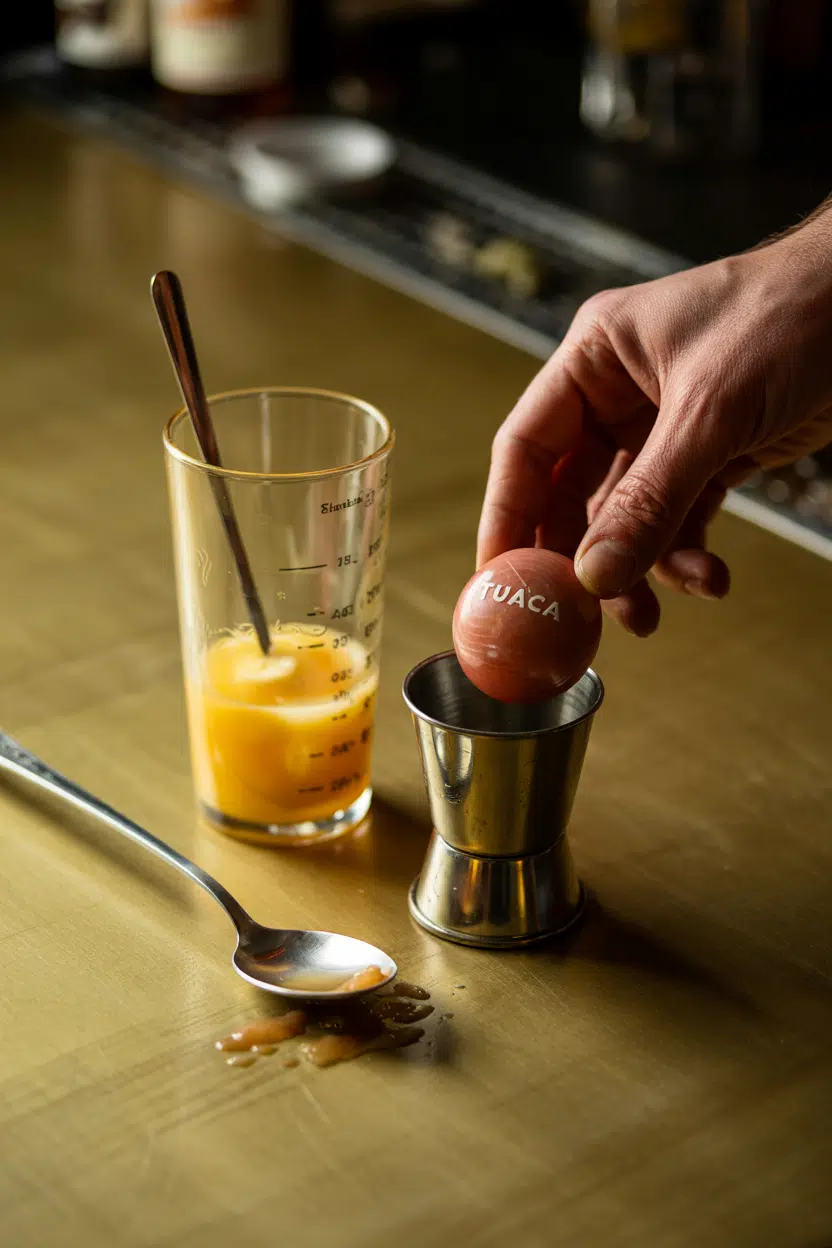
In cocktails, Tuaca functions as both spirit and sweetener. A vanilla-orange sour - Tuaca, lemon juice, egg white, shaken - needs no added sugar.
It also pairs directly with whiskey and aged rum, where the shared caramel notes amplify rather than compete.
How to Buy and Store Tuaca
At the bottle shop, look for clear amber color and no visible sediment. A quick smell at the cap should give you vanilla and sweet orange peel - if it smells flat or sharp, the bottle has been stored poorly.
Smaller 375 ml bottles are a sensible purchase if cocktails or baking are your only use cases.
Store upright in a cool, dark cabinet - no refrigeration needed. An opened bottle holds well for 1-2 years before flavor decline becomes noticeable; check for tuaca spoilage signs if your bottle has been open longer than that.
Unopened, stored cool, it keeps indefinitely.
Where to Start with Tuaca
If you've never used Tuaca before, the espresso drink is the entry point. One pour into a hot espresso shows all three of its core flavors - vanilla, citrus, brandy - with nothing else in the way.
From there, move into desserts.
When you're confident with quantities, cocktails follow naturally.
Need a stand-in for a different dish?
These tuaca swaps that work cover both cocktail and kitchen scenarios.
And if citrus liqueurs generally interest you, the guide on swapping out limoncello shows where these categories overlap.
Tuaca isn't a niche ingredient - it just needs the right introduction.
Frequently Asked Questions
Brandy. Tuaca is built on a brandy base, which gives it more body and warmth than vodka-based liqueurs. That brandy backbone is what produces the soft caramel note in the finish.
Tuaca is approximately 35% ABV - similar to amaretto or most mid-strength liqueurs. It's strong enough to function as the spirit in a cocktail, not just a mixer.
No. Curaçao is an orange liqueur with a neutral or brandy base but no vanilla flavor. Tuaca adds vanilla and has a heavier, warmer profile than most curaçao expressions.
Yes - fold it into custards, brush it over fruit before broiling, or stir it into chocolate sauces off the heat. Add it late in cooking to preserve the citrus aromatics, which fade quickly under prolonged heat.
It can, though it adds citrus-vanilla rather than straight coffee depth. If a recipe calls for espresso powder, reviewing [replacements for espresso powder](https://forkliftkitchen.com/espresso-powder-substitutes/) will clarify when Tuaca is a viable swap versus when it shifts the flavor profile too far.



