
Most people assume raw salmon needs nothing more than a clean slice and a bowl of soy sauce - and while that's not wrong, it misses why this fish earns its place at the center of Japanese, Hawaiian, and Nordic food traditions.
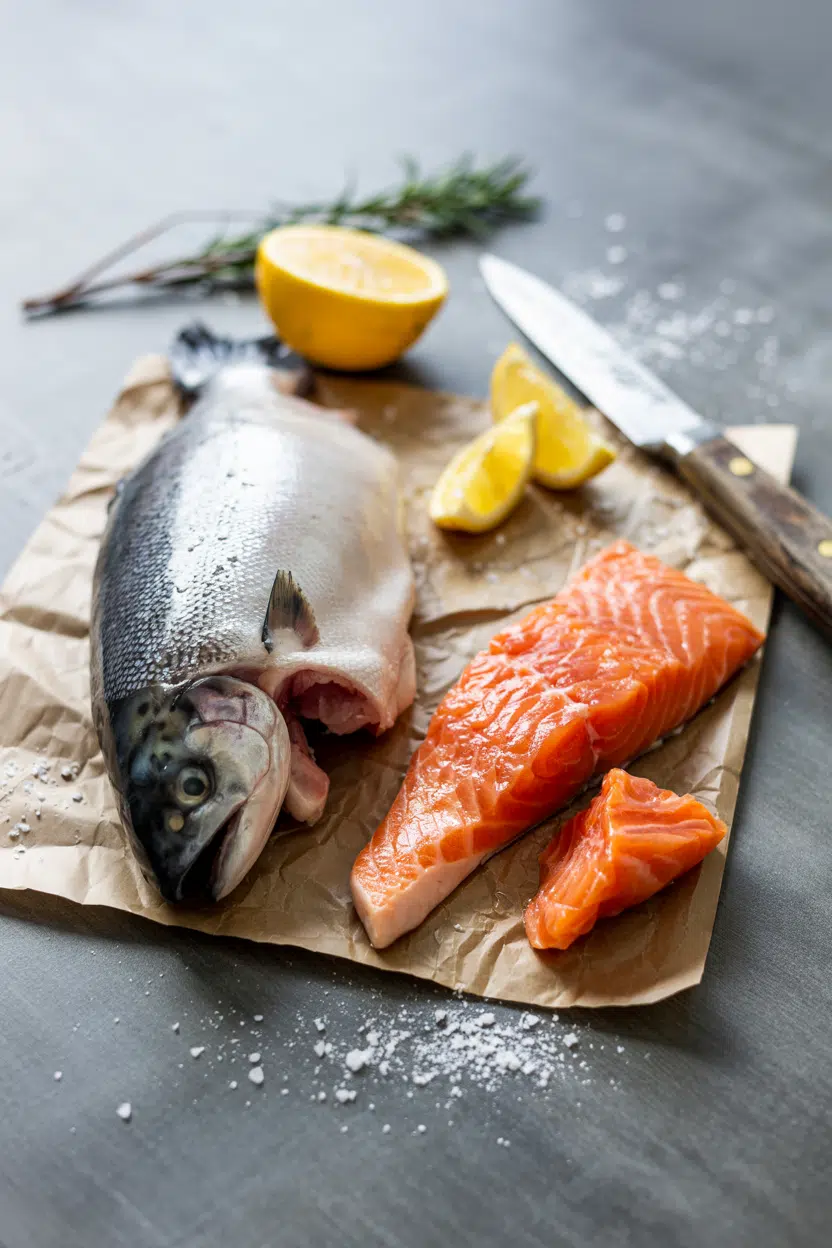
The fat marbling and silky texture that define a good keeping salmon fresh practice start long before the fish hits your plate, and knowing what separates a great piece from a mediocre one changes how you shop, store, and serve it.
Whether you're spotting poke spoilage signs or pulling a gravlax from the cure, raw salmon rewards attention.
Raw salmon is uncooked oily fish with a mildly sweet, buttery flavor and silky texture. It's used in sashimi, poke, and gravlax, and requires sushi-grade or flash-frozen sourcing for safe raw consumption. Use within 24-48 hours of purchase.
What Is Raw Salmon?
Raw salmon is the uncooked flesh of salmon species harvested from the North Atlantic and North Pacific.
Remember it later
Planning to try this recipe soon? Save it for a quick find later!
It belongs to the oily fish category, meaning its fat is distributed throughout the muscle tissue rather than concentrated in the liver - a distinction that drives both flavor and texture.
Several species appear in raw preparations, and they're not interchangeable. Atlantic salmon (Salmo salar) dominates farmed supply worldwide and has consistent fat marbling.
Among wild Pacific species, Chinook (King) salmon carries the highest fat content and commands the highest price at sushi counters.
Coho is leaner and milder.
Sockeye has the deepest red color and a more pronounced flavor - worth understanding if the taste of sockeye salmon is new territory for you.
In Japanese kitchens, raw salmon is called sake (鮭). It's offered as sashimi, hand-pressed into nigiri, or featured in omakase menus.
Outside Japan, it appears in Hawaiian poke, Nordic gravlax, and modern tartare and carpaccio preparations. The fish is also commonly misspelled as "raw salomn" in search queries - same fish, different fingers.
What Does Raw Salmon Taste Like?
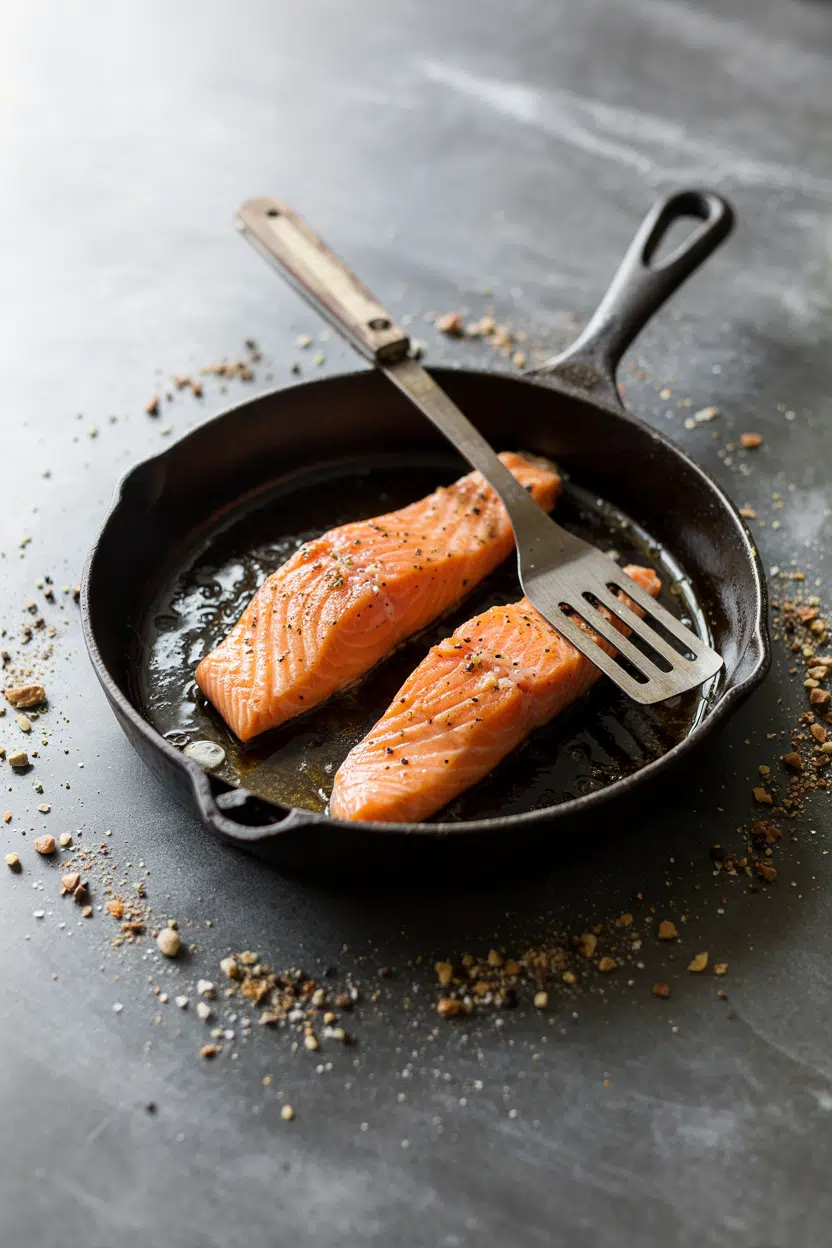
Raw salmon has a mild, clean sweetness with a creamy, buttery quality that comes directly from its fat marbling. The flavor isn't sharp or aggressively oceanic - it sits closer to a gentle brine with a subtle umami depth underneath.
Compared to tuna, raw salmon is creamier and milder - think avocado-forward rather than meaty. Darker cuts near the bloodline carry a faint iron note that not everyone notices but some find pronounced.
The aroma should always read as fresh ocean, never ammonia. That distinction matters - if it smells off, it is off.
Cooking changes the profile significantly. Heat firms the muscle fibers and cooks off the volatile fats responsible for that butter-meets-ocean character.
What makes this fish distinct in raw form is precisely what what makes fish distinct overall - the fat structure and freshness window working together.
How to Use Raw Salmon
Raw salmon isn't one preparation - it spans a range of techniques from pure slicing to multi-day curing. The throughline is preserving the fat and texture that set it apart.
| Method | Best For | Tip |
|---|---|---|
| 🥗 Sashimi / Nigiri | Showcasing pure flavor, Japanese service | Slice against the grain; chill the knife first |
| 🥣 Poke | Cubed bowls with soy, sesame, scallion | Toss just before serving to avoid texture loss |
| 🧂 Gravlax / Lox | Nordic cured preparations, brunch boards | A 1:1 salt-to-sugar cure ratio with dill for 24-48 hrs |
| 🍋 Tartare / Carpaccio | Modern European raw plates | Add acid (lemon, yuzu) right before plating |
| 🔥 Tataki | Seared exterior, raw center - Japanese style | Sear on high heat for 15-20 seconds per side only |
Pairing matters here. Soy sauce or tamari, wasabi, and pickled ginger are the classic Japanese frame. For poke, sesame oil and scallion do most of the work. Gravlax leans on dill, crème fraîche, and rye. Tartare opens to citrus - yuzu, lemon, or even a light acidic element the way non alcohol red wine stand-ins can provide brightness in a sauce without the alcohol.
Avocado is the most reliable partner across formats - its fat complements rather than competes. Avoid strong dairy sauces and overly sweet glazes, which override the subtle brine that makes raw salmon worth eating in the first place.
How to Buy and Store Raw Salmon
Start at the counter. Good raw salmon has bright, consistent color - orange to deep red depending on species - with visible white fat lines running through the flesh.
Press gently: it should feel firm, not sticky. The smell should be clean ocean, nothing sour or ammonia-sharp.
For raw use, flash-frozen or previously frozen farmed or wild salmon is safer than never-frozen fresh.
At home, store it sealed on crushed ice or in an airtight container at 38°F (3°C) or below.
Use it same-day when possible - the raw window is short.
The same discipline applies to other raw fish: how long tuna keeps follows a similar refrigerator logic, and cooking raw salmon right covers the exact timing windows in detail.
- 🧊 Refrigerated raw - Use within 24-48 hours; same-day is ideal
- 🔥 Cooked leftovers - Safe for 3-4 days in an airtight container
- ❄️ Frozen raw - Quality holds for several months at 0°F (−18°C)
Where to Start With Raw Salmon
Atlantic salmon is the most accessible entry point - its fat content is consistent, it's widely available sushi-grade, and it takes well to every format from sashimi to gravlax. If atlantic salmon and its flavor profile appeals to you, that's the reliable starting place.
For more complexity, step up to Chinook. The fat is richer, the flavor deeper, and a well-sourced piece needs nothing beyond a clean slice and good soy.
Sockeye suits those who want more pronounced flavor and don't mind a leaner texture.
Skip ceviche-style citrus cures as your first raw salmon project - acid doesn't reliably kill pathogens. Start with sashimi or a simple poke bowl, where the fish quality speaks for itself.
Frequently Asked Questions
Yes, with conditions. Salmon intended for raw consumption should have been flash-frozen to kill parasites - ask your fishmonger to confirm this. Pregnant individuals and those who are immunocompromised should avoid raw salmon entirely.
"Sashimi-grade" is a marketing term, not a legal standard in the US. In practice, it signals that the fish was handled with raw consumption in mind - typically flash-frozen to FDA parasite-destruction guidelines. Always verify the freeze history directly.
Raw salmon is noticeably creamier and more delicate - the buttery fat flavor is front and center. Cooking firms the texture, drives off volatile fats, and produces a mealier, more opaque flavor that loses the clean ocean note.
Chinook (King) salmon is the richest choice - highest fat content and deepest flavor. Atlantic salmon is the most consistent and widely available. Sockeye works well for those who prefer a leaner, more pronounced profile.
Not reliably. Most supermarket salmon is not labeled for raw consumption and may not have been flash-frozen to parasite-kill standards. Buy from a fishmonger or sushi supplier who can confirm sashimi-grade handling.



