
Ají amarillo is the pepper behind some of Peru's most recognizable dishes - it's what gives a aji de gallina creamy chicken recipe its signature golden color and what layers fruity heat through making causa rellena potato terrine at home.
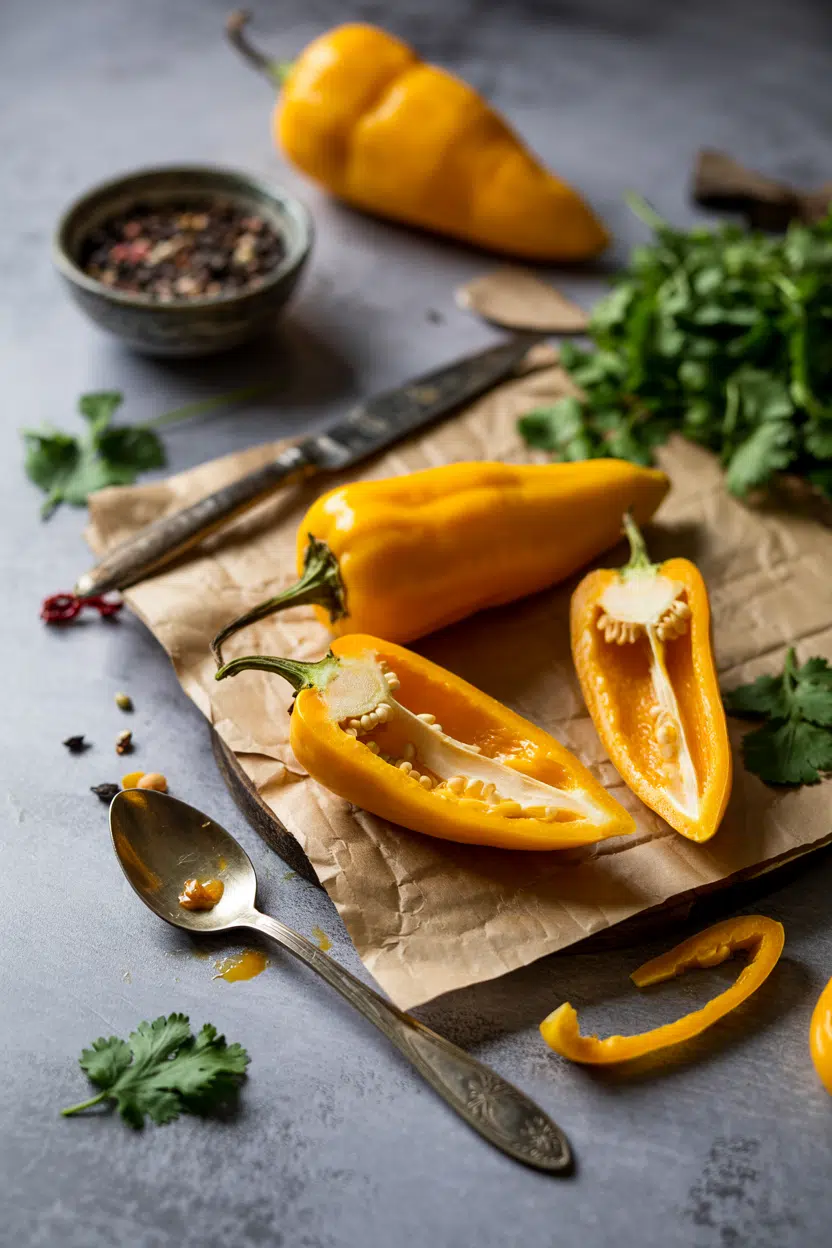
Outside Peru, it stays relatively unknown, which means most cooks haven't yet experienced a chile that delivers genuine heat alongside notes of banana, apricot, and citrus in the same bite.
Ají amarillo is a bright orange-yellow Peruvian chile with fruity, medium heat and thick flesh. Use it fresh, roasted, or as a paste in classic Peruvian cooking - from ceviche to braises to dipping sauces.
What Is Aji Amarillo?
Ají amarillo (Capsicum baccatum) is a chile native to Peru, cultivated along the Andean coast and highlands for centuries. "Amarillo" means yellow in Spanish, though fully ripe pods are actually a vivid orange - the name refers to the color of younger fruit.
Remember it later
Planning to try this recipe soon? Save it for a quick find later!
It belongs to the Capsicum baccatum species, which sets it apart from more common supermarket chiles like jalapeño or serrano (Capsicum annuum). That botanical difference contributes to its distinctly fruity, floral character.
You'll find it sold under several names: ají amarillo pepper, ají amarillo paste, or simply conserva de ají amarillo. Some labels drop the accent mark entirely.
Fresh pods are meaty and thick-walled, roughly 4-5 inches long. Outside Peru, paste form is far easier to source - it's widely available jarred or frozen at Latin specialty stores and online.
Two other Peruvian chiles are worth knowing by comparison: ají limo is smaller and sharper, used raw in ceviche, while ají panca is deep red-brown with smoky, earthy notes - a full breakdown of comparing aji panca vs aji amarillo options makes it clear they aren't interchangeable.
What Does Aji Amarillo Taste Like?
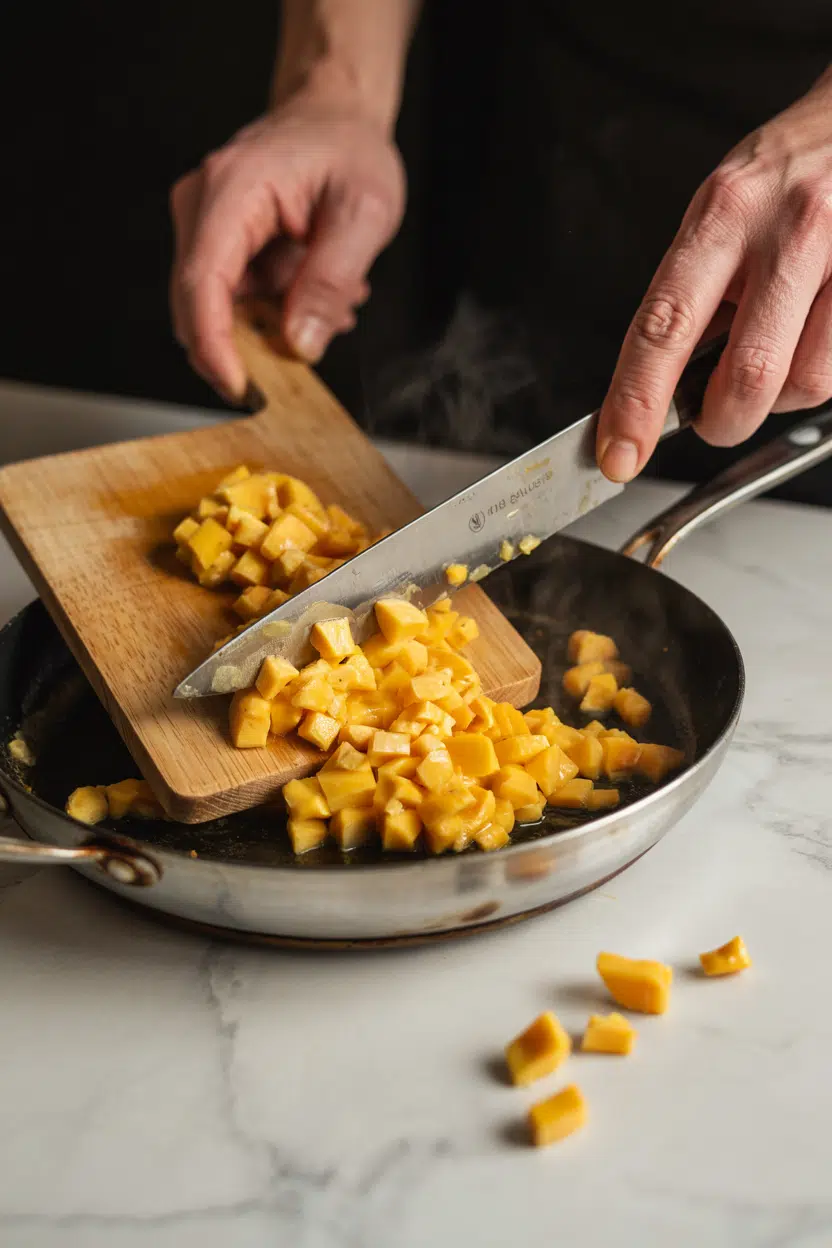
Ají amarillo sits at a flavor intersection that most chiles never reach. Fruity heat is the short answer - but the detail matters.
Think of a habanero stripped of its harsh, fuel-like top notes and replaced with ripe apricot and underripe banana. The heat is medium - roughly 30,000-50,000 Scoville units - but it arrives cleanly and fades quickly, without lingering burn.
Raw fresh pods lean more sharply fruity and bright. Roasting deepens the sweetness and rounds out the heat.
Pureed into paste with a little oil, ají amarillo becomes silky and slightly mellow - still fruity, but with more body behind it.
How to Use Aji Amarillo
Ají amarillo anchors the flavor profile of Peruvian cooking more than any other single ingredient. Sweating paste in oil is usually the first step in many traditional preparations - it releases color and aroma into the fat, which then carries both through the whole dish.
| Method | Best For | Tip |
|---|---|---|
| 🥗 Raw / Fresh | Diced as a garnish over grilled fish or ceviche | Remove seeds and veins to dial back heat without losing flavor |
| 🍳 Sweated in Oil | Building a sauce base for ají de gallina or seco | Cook paste on medium-low; high heat scorches the sugars fast |
| 🔥 Roasted / Charred | Blending into ceviche marinades for deeper sweetness | Char directly over flame, then peel before blending |
| 🥣 Pureed Paste | Causa layers, dipping sauces, sanduche spreads | Thin with evaporated milk or crema for a richer sauce |
| 🫙 Quick Pickled | Bright condiment for grilled meats or roasted vegetables | Use a light brine - too much vinegar masks the fruit notes |
Classic pairings work because of contrast or complement. Lime and lemon cut through the richness and amplify the citrus notes already in the chile. Potato - starchy and neutral - lets ají amarillo carry the whole flavor load in causa. White fish and shellfish are mild enough to let the pepper shine without competition. Knowing what to serve alongside a dish matters too; the sides for ceviche that work best tend to echo those same starchy, neutral principles.
Huacatay, Peruvian black mint, is the herbal partner worth seeking out. Its dark, anise-like earthiness balances the brightness of ají amarillo in sauces and marinades.
If a recipe calls for fresh pods and you only have paste, use about one tablespoon of paste per fresh pepper. For alternatives in a pinch, replacements for aji amarillo covers which chiles come closest by heat and fruit character.
How to Buy and Store Aji Amarillo
Fresh pods should be firm, glossy, and uniformly orange to deep yellow-orange. Skip any that feel soft, show dark spots, or have started to wrinkle - those have lost moisture and flavor.
Paste is the more practical buy for most cooks outside Peru. Check the ingredient list before purchasing: the best jars contain peppers, water, salt, and little else.
Vivid orange color signals quality; anything brown or dull has likely oxidized.
Store fresh peppers loosely wrapped in a paper bag in the crisper drawer.
For a full breakdown of aji amarillo's shelf life across fresh, paste, and frozen forms, the specifics vary more than you'd expect.
Sealed commercial paste keeps for months at room temperature; opened jars belong in the fridge.
For reference, the same logic applies to other perishable liquids - understanding how long milk keeps once opened follows a similar principle of cold storage and surface exposure.
Start Here With Aji Amarillo
New to this chile? Begin with the paste. It's shelf-stable, easy to measure, and gets you into the flavor immediately without any prep.
- 🌶️ First dish to try - Sweat a tablespoon of paste in oil, add shredded chicken, evaporated milk, and bread to make a simple ají de gallina sauce.
- 🥔 Easiest application - Mash paste directly into warm potato for causa; the starch softens the heat and carries the fruit forward.
- 🐟 If you want it raw - Dice fresh pods finely and scatter over grilled fish as a garnish; remove the seeds first if heat sensitivity is a concern.
Once you're comfortable, move to charring whole pods or blending your own paste. The flavor reward is proportional to the effort.
Frequently Asked Questions
Yes, but moderately so. It ranges from 30,000 to 50,000 Scoville units - hotter than a jalapeño, milder than a habanero. The heat arrives cleanly and fades quickly without prolonged burn.
Yes - charred and blended, it adds fruit-forward heat to the leche de tigre. Some cooks use ají limo instead for sharper raw heat, but ají amarillo gives a rounder, sweeter result.
Blanch fresh pods briefly to reduce bitterness, then blend with a neutral oil and a pinch of salt until smooth. Strain for a silkier texture. Refrigerate and use within two weeks.
Latin grocery stores and specialty food shops carry it most reliably. Online retailers also stock several brands. Look for jars labeled "pasta de ají amarillo" with vivid orange color.
Ají amarillo is roughly 3-5 times hotter than a typical jalapeño. A jalapeño tops out around 8,000 Scoville units; ají amarillo starts around 30,000. The heat profile also differs - fruitier, less grassy.



