
Coffee creamer does one specific job - it softens bitterness, adds sweetness, and carries a flavor note into every sip without requiring you to keep fresh dairy on hand.

Unlike storing milk correctly or tracking how long cream keeps, a shelf-stable carton of creamer sits quietly in the pantry until you need it.
That convenience has made it a fixture in American kitchens, offices, and drive-through culture alike.
Coffee creamer is a sweetened, emulsified liquid or powder designed to lighten and flavor coffee. It comes in dairy and non-dairy forms, spans dozens of flavor profiles, and requires no refrigeration until opened in its shelf-stable version.
What Is Coffee Creamer?
Coffee creamer is a manufactured add-in - liquid or powdered - engineered to replicate or amplify what milk or cream does in coffee, but with a longer shelf life and more flavor options.
Remember it later
Planning to try this recipe soon? Save it for a quick find later!
It originated in mid-20th century North America as a convenience product for households and workplaces that couldn't keep fresh dairy reliably stocked.
Knowing storing coffee correctly is only half the equation - what goes into the cup matters just as much.
Most commercial versions fall into two camps: liquid creamers (refrigerated or shelf-stable cartons) and powdered non-dairy creamer (dry, shelf-stable tins or packets). Both use emulsifiers and stabilizers to prevent separation in hot or cold coffee.
- 🧴 Liquid creamer - dairy or non-dairy, sweetened, often flavored; the most common format
- 🥛 Powdered creamer - dry-blended fats, sugars, and casein or plant proteins; dissolves in hot liquid
- 🌱 Non-dairy creamer - made with coconut, palm, soy, almond, or oat bases instead of cow's milk
- 🍂 Seasonal / flavored variants - pumpkin spice, peppermint mocha, cinnamon roll; limited-run lines
The category also goes by liquid creamer, flavored creamer, and simply coffee additive - all describing the same functional product.
What Does Coffee Creamer Taste Like?
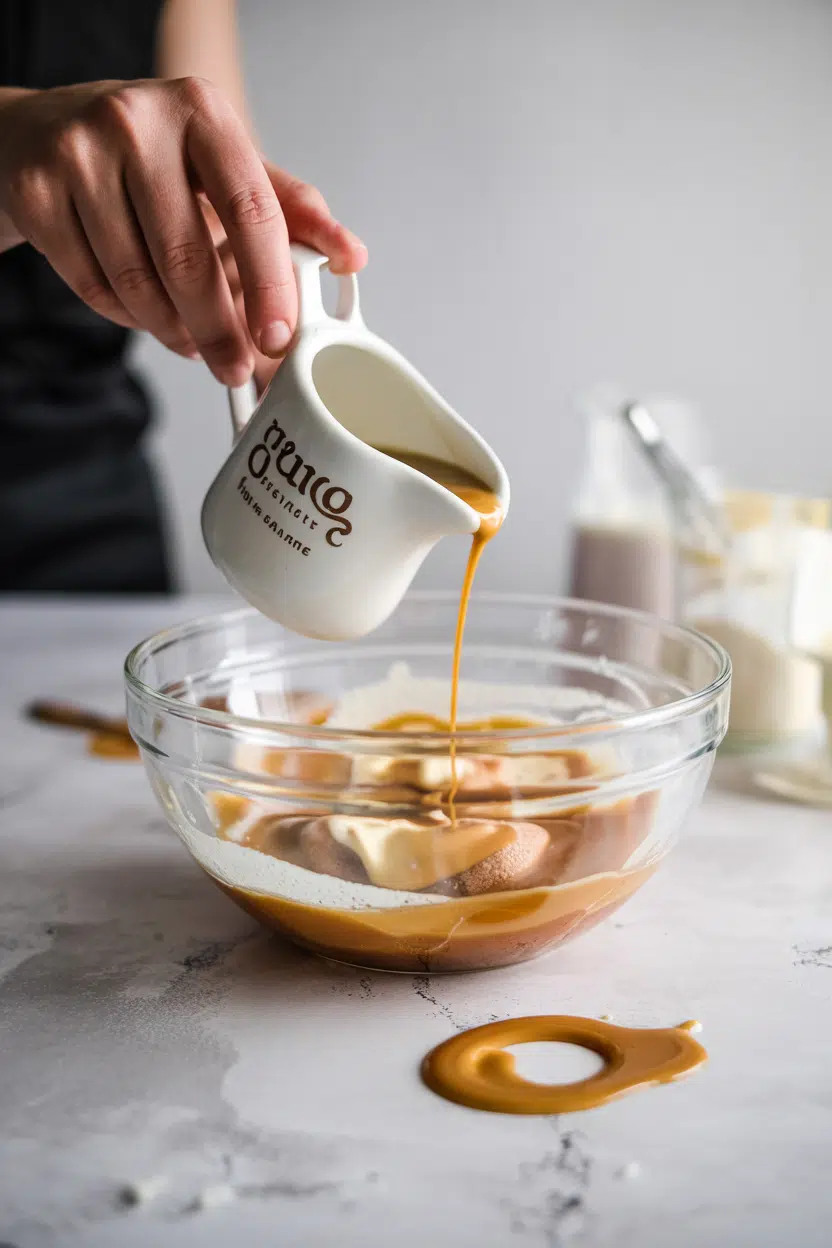
Coffee creamer tastes like a sweeter, more concentrated version of flavored half-and-half - rich and milky up front, with a flavor note (vanilla, hazelnut, caramel) that lingers after the sip.
It lacks the fresh-dairy brightness of real cream, trading that zing for a smoother, more uniform sweetness.
Powdered creamer carries a flatter, almost neutral base with a subtle cooked-sugar note. Concentrated liquid creamers - especially seasonal flavors - can taste noticeably artificial if used beyond the recommended splash.
The sweetness intensifies in cold brew and iced coffee because there's no heat to disperse the sugars quickly.
How to Use Coffee Creamer
The most straightforward use is stirring liquid creamer into hot drip coffee or a brewed espresso drink. A tablespoon or two lightens color, cuts bitterness, and delivers whatever flavor the creamer carries - without any additional sweetener required.
Cold applications work just as well.
Creamer blends smoothly into cold brew and iced coffee, and because it's already emulsified, it won't bead up on the surface the way a thin cream sometimes does.
For quick desserts, a splash stirred into instant pudding or hot oatmeal adds sweetness and a flavor note in one step.
Understanding the role half and half plays in coffee drinks helps clarify where creamer overlaps and where it doesn't.
| Method | Best For | Tip |
|---|---|---|
| ☕ Hot Coffee | Drip, pour-over, instant, espresso drinks | Add after brewing; stir immediately |
| 🧊 Cold Drinks | Cold brew, iced coffee, blended drinks | Shake carton first; it mixes without heat |
| 🍮 Quick Desserts | Oatmeal, instant pudding, no-bake sauces | Use flavored creamer to replace sugar and cream at once |
| 🍫 Hot Drinks | Hot chocolate, chai, spiced tea | Vanilla or caramel creamers pair well with chocolate |
| 🍸 Coffee Cocktails | White Russian riffs, spiked iced coffee | Hazelnut or vanilla creamers replace Kahlúa-style sweetness |
One place to avoid it: any recipe requiring structural fat, like whipped cream or a cream-based béchamel. Creamer's emulsifiers hold it stable in liquid but won't whip, and high-heat simmering can break the emulsion into an oily, grainy mess.
How to Buy and Store Coffee Creamer
At the store, check shelf-stable cartons for intact tamper seals and no bloating - a swollen carton signals bacterial activity. For refrigerated dairy creamers in clear bottles, avoid any with visible separation or gritty texture before opening.
Powdered creamer should feel dry and free-flowing; clumping means moisture has gotten in.
Storage is straightforward once you know the format:
- Shelf-stable liquid - store at room temperature; refrigerate after opening and use within 7-14 days
- Refrigerated dairy creamer - keep at or below 40°F at all times; use within 7-14 days of opening
- Powdered creamer - seal tightly after each use; stays shelf-stable for many months in a dry environment
For a complete breakdown, coffee creamer's shelf life covers expiration windows, signs of spoilage, and whether freezing is viable. If you're weighing alternatives, swapping out coffee creamer and swapping out half and half both offer tested replacements for different recipes.
Where to Start With Coffee Creamer
Coffee creamer is a tool with a narrow but reliable range. Grab a refrigerated vanilla liquid creamer first - it covers the widest range of uses, from morning coffee to quick oatmeal, without committing to a polarizing flavor like hazelnut.
If you drink cold brew regularly, creamer is worth keeping in rotation.
It blends cleanly cold, adds sweetness without a separate sugar step, and the emulsified texture holds up better in cold liquid than a thin dairy pour.
For anyone avoiding dairy, oat-based non-dairy creamers currently offer the closest texture match to a light cream - smooth, neutral enough to let the coffee flavor through, and widely available.
Frequently Asked Questions
Both versions exist. Some creamers use real milk or cream as a base; others use plant oils, soy, almond, or oat instead. Check the label - "non-dairy" doesn't always mean free of casein, a milk protein used as an emulsifier in some powdered versions.
Rarely under normal conditions - creamer is emulsified specifically to resist this. However, adding expired creamer to very acidic or heavily concentrated coffee can cause visible curdling. Freshness and moderate coffee acidity keep it stable.
Most liquid creamers run 20-35 calories per tablespoon, higher than whole milk. Sugar-free versions drop this significantly but use artificial sweeteners or sugar alcohols instead. Powdered creamers are similar per equivalent serving.
Yes, with limits. It works in muffins, quick breads, or no-bake recipes where liquid and sweetness are needed. Avoid it in recipes that rely on fat structure - it won't behave like heavy cream in custards or whipped toppings.
Refrigerated liquid creamer lasts 7-14 days after opening if kept at or below 40°F. Knowing [heavy cream spoilage signs](https://forkliftkitchen.com/heavy-cream-shelf-life/) helps you apply the same sniff-and-look checks to dairy-based creamers. Powdered creamer stays good for months if sealed dry.



