Bite into a raw kale leaf and the first thing you notice is resistance - a fibrous chew, a sharp green smell, and a bitterness that lands somewhere between collard greens and black pepper.

That combination puts some people off, yet the same qualities make kale one of the most useful greens in a cook's arsenal.
Knowing how to work with its intensity rather than against it changes everything.
Kale is a cruciferous leafy green with bitter, earthy, and slightly peppery flavor. It holds up to heat better than most greens and works raw when massaged with acid. Shelf life runs 5-10 days in the fridge.
What Is Kale?
Kale is a cruciferous leafy green in the same botanical family as cabbage, broccoli, and Brussels sprouts, with roots tracing back to the Eastern Mediterranean and Asia Minor.
Remember it later
Planning to try this recipe soon? Save it for a quick find later!
It was a staple crop across Europe for centuries before it fell out of fashion and then returned, hard.
Several varieties appear in markets today, and each one behaves slightly differently in the kitchen.
- 🌀 Curly kale - the most common type; ruffled, deep green leaves with a pronounced bite and firm texture
- 🦕 Lacinato kale - also called dinosaur kale or cavolo nero; long, dark blue-green leaves with a more tender chew and earthier flavor
- 🟣 Red Russian kale - flat, oak-shaped leaves with purple-tinged stems; milder and sweeter than curly kale
- 🌍 Borecole - an older European term for kale varieties grown for winter hardiness
Lacinato kale, known in Italy as cavolo nero, anchors Tuscan ribollita and other slow-braised preparations. It's also the variety most likely to work if you're swapping out collard green in a recipe that calls for sturdy, dark greens.
What Does Kale Taste Like?
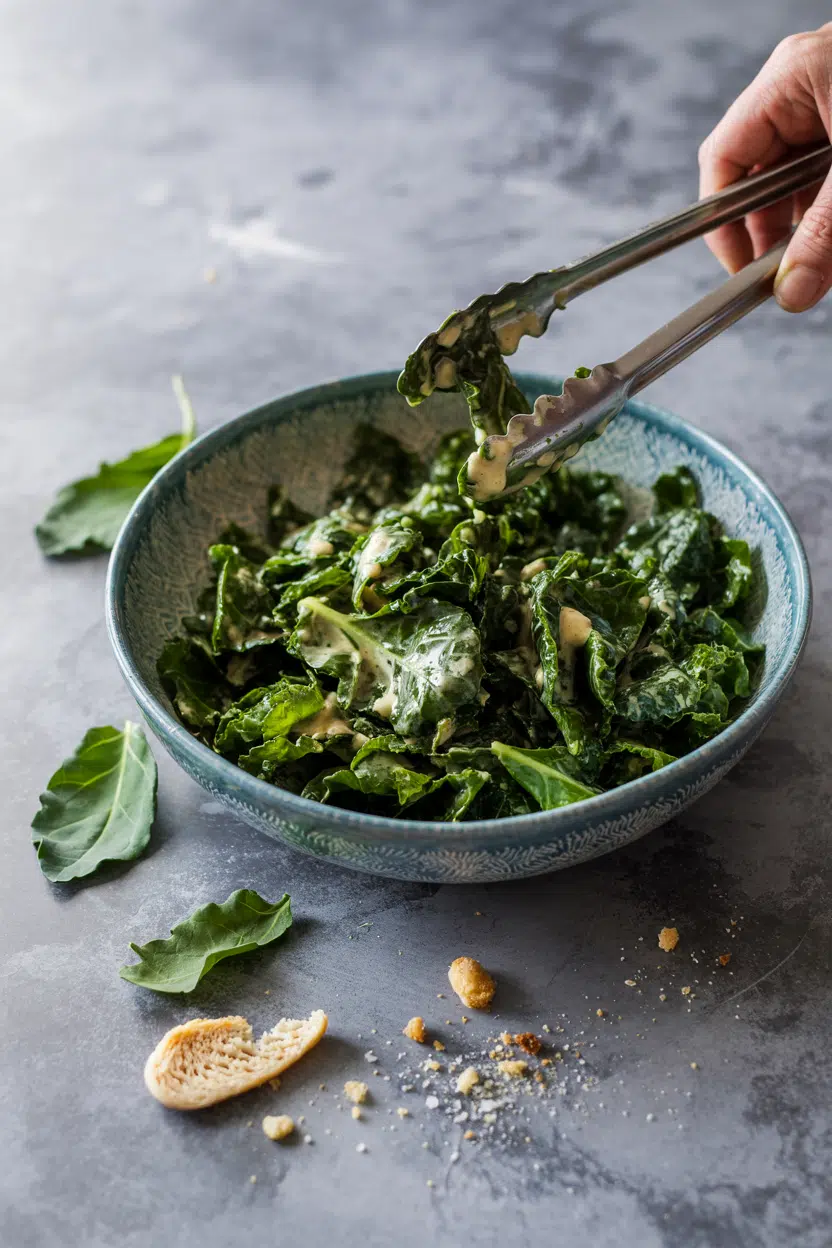
Raw kale is genuinely bitter - sharper and more assertive than spinach, and closer in character to collard greens or cabbage. Underneath the bitterness sits an earthy, faintly peppery note that reads as almost mineral.
Heat changes the equation noticeably. Sautéed or braised kale softens that sharp edge into something nuttier and more rounded, while the texture shifts from fibrous and chewy to silky.
Massaging raw leaves with lemon juice or vinegar for a few minutes collapses some of the cell structure and tempers the bitterness without any heat at all.
Kale lands noticeably more bitter than spinach - if you're searching for alternatives to spinach that hold up to cooking, kale works well but expect more assertiveness.
How to Use Kale
Kale is one of those greens that responds differently to almost every cooking method, which makes choosing the right approach worth a moment's thought.
| Method | Best For | Tip |
|---|---|---|
| 🥗 Raw (Massaged) | Salads, grain bowls | Rub with lemon juice and salt for 2-3 minutes to soften leaves |
| 🍳 Sauté | Side dishes, pasta, eggs | Add a splash of water to steam through after browning garlic |
| 🍲 Braise | Stews, soups, bean dishes | Longer cooking makes leaves silky; add near the last 20 minutes |
| 🔥 Roast | Kale chips, crispy garnish | Low heat (300°F/150°C) prevents burning before crisping |
| 🥤 Puree/Smoothie | Blended drinks, soups | Blanch first to reduce bitterness in cold smoothies |
Garlic, lemon, and olive oil are kale's most reliable partners - they cut bitterness and add enough richness to balance the leaf's natural sharpness. Sharp cheeses like Parmesan, smoked pork, white beans, and red pepper flakes all reinforce that pattern.
Portuguese cuisine uses kale heavily in caldo verde, a potato-based soup where thinly sliced couve (kale) floats in a smoky broth alongside chouriço.
Italian cooks fold cavolo nero into ribollita and braise it low and slow with olive oil and garlic.
Southern US cooks treat it much like collard greens - long-simmered with a ham hock until the bitterness falls away entirely.
For ideas on rounding out a kale-based meal, sides for kale covers pairings that hold up to the green's boldness.
Making kale chips is one of the more forgiving techniques - our guide to crispy baked kale chips cooking methods walks through the oven variables that matter most.
How to Buy and Store Kale
At the market, look for deep green or blue-green leaves that are crisp and firm all the way to the stem. Yellowing leaves, slimy spots, or limp stalks signal age - pass on those bunches.
Pre-cut bagged kale is convenient but deteriorates faster, so check the sell-by date carefully.
Whole unwashed bunches stay fresh in a perforated plastic bag or damp towel in the crisper drawer, where they'll last 5-10 days.
Pre-cut bags drop to 2-4 days.
For a full breakdown of timing and conditions, the guide on storing kale correctly covers what actually extends shelf life. Preparing collard green properly follows similar logic if you're handling both greens at once - keep them dry, cold, and intact until you're ready to cook.
Starting With Kale
Raw kale with acid is the lowest-commitment entry point - massage curly kale with lemon juice, let it sit five minutes, and the bitterness pulls back considerably.
From there, a quick sauté with garlic takes less than ten minutes and produces a reliable side dish.
Lacinato kale is worth trying early. Its texture is more forgiving than curly kale, and its flavor is earthier without the same sharpness that puts people off raw preparations.
Frequently Asked Questions
Yes, especially raw. The bitterness comes from glucosinolates - sulfur compounds common to cruciferous vegetables. Cooking, massaging with acid, or blanching all reduce it noticeably.
Massage raw leaves with lemon juice or vinegar for 2-3 minutes to break down cell structure. Alternatively, blanch briefly in salted boiling water, then shock in cold water before using in salads or cooked dishes.
Yes. Massaging the leaves with acid and salt first makes raw kale far more pleasant to eat. Lacinato kale is the easiest variety to eat raw because its leaves are more tender than curly kale.
Whole unwashed bunches last 5-10 days in the crisper drawer. Pre-cut or bagged kale deteriorates faster, typically 2-4 days, because cut edges oxidize and trap moisture.
Both are nutrient-dense, but they differ. Kale is significantly higher in vitamin K and vitamin C, while spinach has more iron and folate. People on blood-thinning medication should monitor kale intake due to its very high vitamin K levels.