
Cracking open a piloncillo cone releases a scent that stops you mid-step - warm molasses layered with something smokier and more complex than any brown sugar you've handled before.

That depth isn't an accident.
Piloncillo is unrefined whole cane sugar that skips the refinement process that strips most sweeteners of character, and its flavor lands closer to alternatives to molasses or brown sugar stand-ins than to the granulated white sugar it often replaces.
Piloncillo is an unrefined Mexican cane sugar pressed into solid cones. It delivers deep molasses and caramelized brown-sugar flavor with a slightly bitter finish. Use it grated, melted, or dissolved in syrups for traditional drinks, sauces, and baked goods.
What Is piloncillo?
Piloncillo is unrefined cane sugar produced by boiling fresh-pressed sugarcane juice and pouring it into cone-shaped molds to harden.
Remember it later
Planning to try this recipe soon? Save it for a quick find later!
It originates in Mexico and Central America, where it has been a pantry staple for centuries.
Understanding the role brown sugar plays in baking helps put piloncillo in context - both carry molasses, however piloncillo is far less processed and more intensely flavored.
The cone shape is functional, not decorative. Solid cones resist moisture and pests far better than loose crystals, which is why the form persisted long before modern packaging.
Piloncillo goes by several names depending on region:
- 🌎 Panela - the most common name across Colombia, Venezuela, and much of Latin America
- 🌎 Chancaca - used primarily in Peru, Chile, and Bolivia
- 🌎 Piloncillo de caña - the full formal name used in Mexican markets
- 🌎 Rapadura - the Brazilian Portuguese equivalent, same product
Two grades exist in Mexican markets. Piloncillo blanco is a lighter, less intense version pressed from younger cane juice. Piloncillo oscuro is the darker, fuller variety most recipes call for by default.
What Does piloncillo Taste Like?
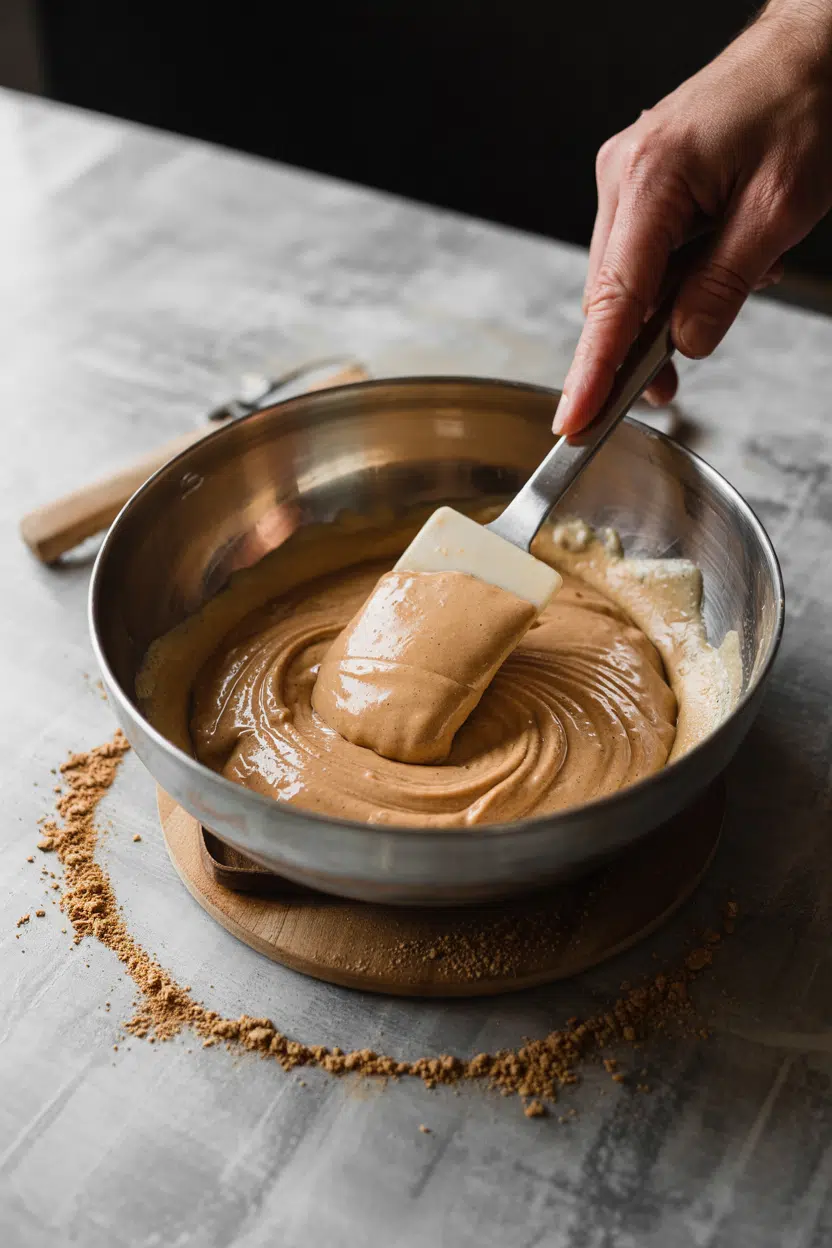
Piloncillo tastes like dark brown sugar stirred with molasses, but more layered than either ingredient alone. The initial sweetness hits fast, followed by a warm caramel body, and then a faint bitter edge that keeps it from cloying.
Heat changes everything. Grated over cold fruit, piloncillo reads as sharp and almost raw-tasting.
Dissolved into hot liquid or melted in a pan, those bitter vegetal edges mellow into a rounder, deeper sweetness.
How to Use piloncillo
Grating or shaving is the most common starting point. A box grater or microplane reduces a hard cone into coarse crumbles that dissolve quickly in hot drinks or sauces. For larger batches, cooks chip pieces off with a heavy knife before melting them directly in a pan.
Piloncillo anchors several iconic Mexican drinks.
It sweetens champurrado, the thick masa-thickened hot chocolate served at markets and family celebrations.
The a atole corn drink recipe also relies on piloncillo's molasses depth to balance the raw corn flavor in a way white sugar simply can't. Café de olla, Mexico's spiced pot coffee, dissolves a full piloncillo cone with cinnamon sticks directly in the brewing pot.
Beyond drinks, piloncillo works hard in savory cooking. It melts into mole and adobo sauces where its bittersweet character reinforces chile and chocolate notes.
Caramelized in a hot pan, it forms a glossy glaze for pork or roasted poultry. Shaved over roasted sweet potatoes or carrots, it creates a sweet-salty contrast that refined sugar cannot replicate.
| Method | Best For | Tip |
|---|---|---|
| 🧀 Grated | Hot drinks, atole, quick sauces | Use a microplane for fine crumbles that dissolve faster |
| 🍳 Dissolved in syrup | Café de olla, drizzles, pancake syrups | Simmer with cinnamon and orange zest for depth |
| 🔥 Melted/caramelized | Glazes for pork, mole, adobo bases | Keep heat medium-low - it burns faster than refined sugar |
| 🫓 Baked in | Pan de muerto, bizcochos, cookies | Grate finely and use 1:1 by weight in place of dark brown sugar |
How to Buy and Store piloncillo
Dense, glossy, mahogany-brown cones are what you want. Tap the cone lightly - a solid thud signals good moisture content and tight pressing. Skip any cone that feels hollow, crumbles at the edges, or shows a white powdery bloom across the surface, which indicates heavy recrystallization.
Whole cones stored in an airtight container away from heat and light last many months - often years.
Grated piloncillo loses complexity faster, so keep it in a sealed jar and use it within a few months.
Piloncillo syrup refrigerates well for several weeks.
For general guidance on how sugar-based products degrade, the article on sugar spoilage signs covers the core principles.
For piloncillo-specific spoilage, check piloncillo spoilage signs before using an old cone.
Start Here If You're New to Piloncillo
If you've never cooked with piloncillo, start by making a simple syrup.
Combine one cone with water and a cinnamon stick, then simmer until dissolved.
That syrup unlocks most of what this sugar does - pour it into coffee, drizzle it over desserts, or stir it into braising liquid.
Anyone comfortable with molasses and its flavor will recognize the profile immediately.
Frequently Asked Questions
Same product, different regional names. Piloncillo is the Mexican term; panela is standard across Colombia, Venezuela, and much of South America. Both are unrefined whole cane sugar pressed into solid forms, though shape and size vary by country.
Use piloncillo at a 1:1 weight ratio in place of dark brown sugar. Because piloncillo is harder and less sweet by volume, grate it finely first. Expect a deeper, slightly more bitter result than brown sugar delivers.
Place a roughly chopped cone in a saucepan with a small amount of water over medium-low heat. Stir occasionally until fully dissolved, about 5-10 minutes. Don't rush it with high heat - piloncillo scorches quickly.
Marginally. Piloncillo retains trace minerals - iron, calcium, potassium - that refining removes, however the amounts are too small to be nutritionally significant. It's still primarily sucrose and carries the same caloric load as white sugar.
Not directly - the cone won't dissolve in cold liquid. Make a piloncillo syrup first by simmering it with water, then cool the syrup before adding it to iced drinks, cold brew, or agua frescas.



