
Most people assume ouzo is just a novelty shot - something you knock back at a Greek restaurant and forget.

That framing misses almost everything interesting about it, including why a single splash of water turns a clear spirit instantly white and why that same bottle belongs in your seafood pan as much as your glass.
Ouzo is a Greek anise-flavored spirit, 37.5-50% ABV, with a dry licorice character and faint herbal undertones. Sip it with water alongside meze, or use a small splash to deglaze seafood pans and add sharp anise lift.
What Is Ouzo?
Ouzo is a distilled Greek spirit made from a neutral base - typically grape pomace - redistilled with anise and a blend of botanicals that often includes coriander, cloves, and occasionally fennel.
Remember it later
Planning to try this recipe soon? Save it for a quick find later!
It holds Protected Geographical Indication status, meaning only spirits produced in Greece can legally carry the name ouzo. That distinction matters at the shelf.
Most bottles fall between 37.5% and 50% ABV. Production is concentrated in the Aegean islands - Lesbos is perhaps the most cited source - and across mainland Greek distilleries, each with a slightly different botanical signature.
Island-distilled versions sometimes carry a faint mineral or saline quality that mainland bottlings lack.
The compound responsible for ouzo's defining character is anethole, the aromatic oil in anise. When water or ice is added, anethole emulsifies and scatters light, turning the liquid opaque white - a reaction called the louche.
If you want to understand anise and its flavor at a chemical level, that same compound shows up across every anise-flavored spirit.
- 🌿 Base spirit - grape pomace (typically), redistilled with botanicals
- 🔬 Key compound - anethole, the anise oil that triggers the louche
- 📍 Legal protection - PGI status restricts the name to Greek-produced bottles
- 🏝️ Regional variation - Lesbos and Aegean island bottlings trend drier and more mineral
What Does Ouzo Taste Like?
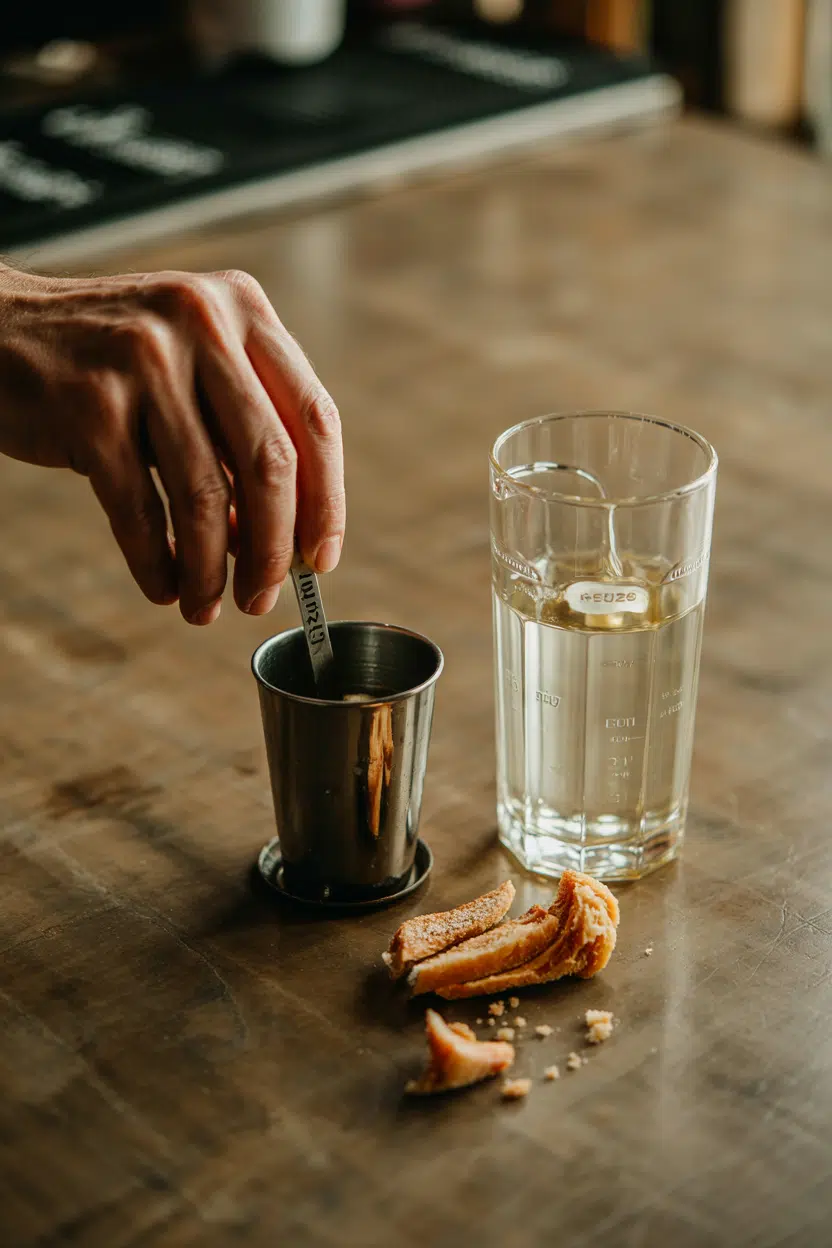
Ouzo leads with dry, assertive anise - closer to black licorice than candy. Unlike sambuca, which leans sweet and syrupy, ouzo keeps its sugar restrained, letting the botanical dryness dominate.
Understanding the role sambuca plays in cocktails helps clarify exactly where ouzo diverges: same anise base, very different finish.
Dilution genuinely changes the experience. Neat, ouzo feels thick and punchy on the palate.
Add chilled water and the mouthfeel turns silky, the anise softens, and secondary notes - oregano, thyme, faint florals from the Greek botanical mix - become easier to read.
The comparison to replacements for absinthe often includes ouzo, and the flavor logic holds: both are anise-dominant and herbal, however ouzo skips the wormwood bitterness that defines absinthe.
How to Use Ouzo
The classic approach is also the most instructive. Serve ouzo neat or with a small jug of chilled water on the side - add water slowly and watch the louche develop.
Greek tradition pairs it with meze: grilled octopus, olives, cubes of feta, and lemon wedges.
The saline and acidic elements of those dishes pull the anise into focus rather than fighting it.
In the kitchen, deglazing with ouzo is its most useful role. After searing shrimp or squid, deglaze the pan with a small measure - the alcohol cooks off quickly, leaving a sharp anise note that bridges the shellfish and any acidic tomato base.
Marinating prawns in ouzo for 20-30 minutes before grilling adds the same lift without dominating the protein.
| Method | Best For | Tip |
|---|---|---|
| 🥃 Aperitif | Meze pairings, pre-dinner ritual | Add chilled water slowly to control louche and dilution |
| 🍳 Deglazing | Shrimp, squid, tomato-seafood sauces | Add near end of sauce development; alcohol evaporates fast |
| 🧂 Marinating | Prawns, squid before grilling | Keep contact brief - 20-30 minutes maximum |
| 🔥 Flambé | Shellfish, tavern-style finishes | Measure carefully; high ABV catches quickly |
| 🍮 Infusing | Anise-scented creams, syrups | Use sparingly - a teaspoon goes a long way in custard |
Ouzo also suits Eastern Mediterranean cooking more broadly, where pastis swaps that work in a recipe often come down to this spirit. Both bring anise character, however ouzo is drier and slightly more assertive.
For desserts, a small amount infused into warm cream or baklava syrup adds an anise note without making the dish taste like a cocktail.
How to Buy and Store Ouzo
Look for bottles that display Greek distillery names and carry the Protected Geographical Indication marker - this confirms legal provenance, not just marketing.
Clear glass lets you check for a faint pale straw tint, which is normal.
Avoid bottles with any cloudiness at room temperature before water has been added; that suggests contamination or poor storage.
If you can smell the bottle at a reputable retailer, expect sharp, clean anise - any musty or solvent-like notes are a rejection signal.
Store bottles upright, cap tight, in a cool and dark location. For detail on how long ouzo keeps after opening and whether it loses potency, the shelf life picture is straightforward: unopened bottles keep indefinitely, while opened bottles hold their best aroma for 6-12 months.
Where to Start with Ouzo
If you've never bought a bottle, start with a well-known Lesbos distillery like Barbayanni or Ouzo Mini - both are widely available and show the dry, mineral style clearly.
Drink it with ice and a splash of water alongside salty food first; that context makes the anise approachable rather than overwhelming.
For cooks already comfortable with anise in the kitchen, replacements for ouzo and pastis's flavor and uses help map where each spirit sits - useful when a recipe calls for one and you only have the other.
Also worth knowing: replacements for sambuca covers ouzo as a viable swap, since the two overlap in anise character but diverge in sweetness.
Frequently Asked Questions
Ouzo is made from grape pomace - the skins and seeds left after winemaking - redistilled with anise and other botanicals like coriander and cloves. The anethole compound in anise gives it the characteristic licorice flavor.
The white cloudiness is called the louche. Anethole, the aromatic oil from anise, is soluble in alcohol but not in water - dilution causes it to form tiny droplets that scatter light and turn the liquid opaque.
No. Both are anise-based, however sambuca is Italian, significantly sweeter, and thicker. Ouzo is drier, Greek by legal definition, and typically served diluted rather than neat or over coffee beans.
Most of the alcohol burns off during deglazing or flambéing, leaving the anise flavor behind. However, trace ethanol remains, so it is not suitable for those avoiding alcohol entirely - anise extract is a closer non-alcoholic substitute.
Add a small amount of chilled water - roughly equal parts or slightly more water - and sip slowly alongside food. Drinking ouzo as a shot ignores the louche ritual and overwhelms the botanical complexity.



