
Most people reach for poblano peppers knowing they want heat - then wonder why the dish tastes smokier and more complex than anything a jalapeño could deliver.
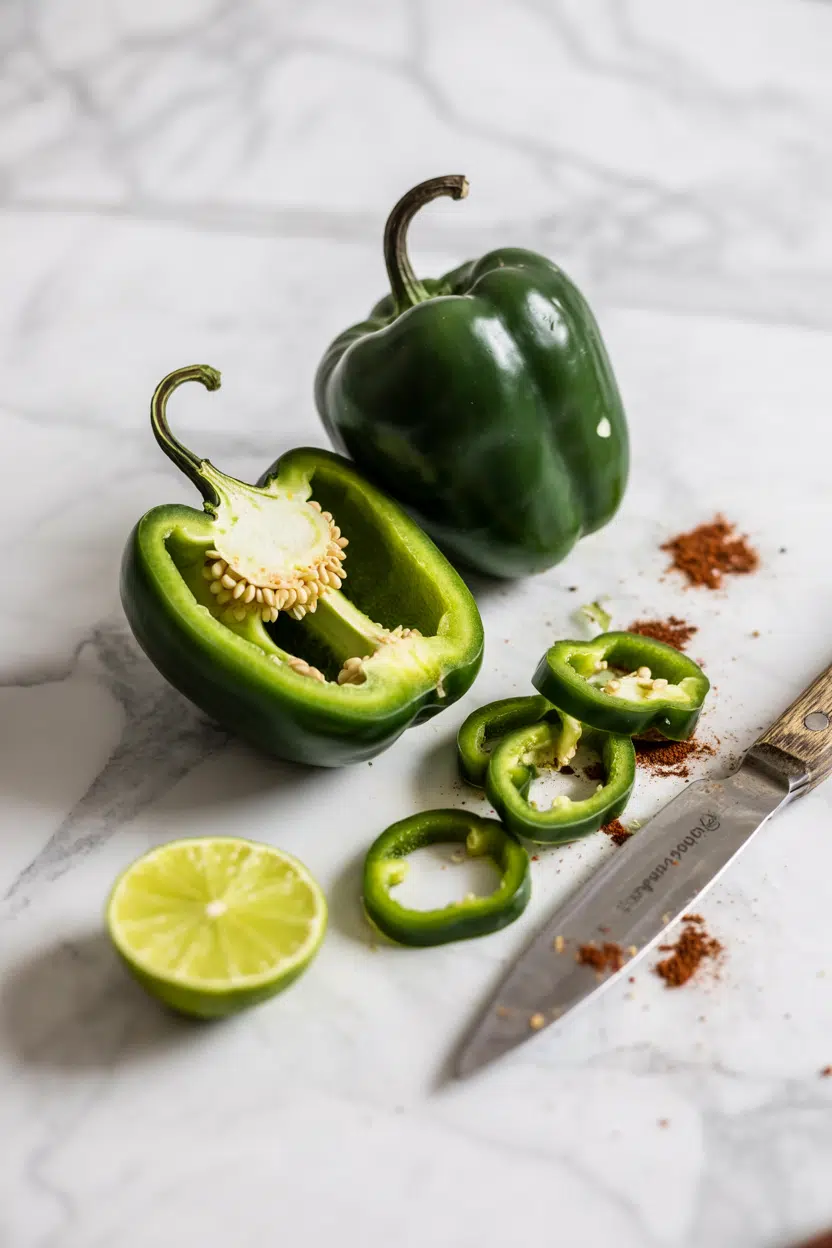
That's the misread: poblanos aren't just mild chiles standing in for hotter options, and seasoning with poblano pepper works differently than most cooks expect.
Fresh, they bring green earthiness with a restrained kick.
Roasted, they shift into something darker and richer - closer to a guajillo pepper in spice blends than a simple vegetable.
The poblano pepper is a thick-walled, mild Mexican chile with earthy green flavor raw and rich smokiness when roasted. It anchors dishes like chile rellenos and mole-based sauces, and dries into ancho chile - a completely different but deeply related pantry staple.
What Is poblano pepper?
The poblano originates from Puebla, a state in central Mexico, where it has been cultivated for centuries as a cooking chile rather than a hot one.
Remember it later
Planning to try this recipe soon? Save it for a quick find later!
It belongs to Capsicum annuum - the same broad species as bell peppers and jalapeños - and sits at the mild end of the Scoville scale, typically between 1,000 and 1,500 units when fresh.
You'll recognize it by its heart-shaped silhouette, deep dark green skin, and thick walls.
Mature peppers turn reddish-brown before drying, which is when they become ancho chiles - a name that refers specifically to the dried form, not a separate variety.
The confusion between the two is common: if it's fresh and green, it's a poblano; if it's dried and wrinkled, it's an ancho.
Other names float around depending on region. "Chile poblano" is the standard Spanish form. Some markets label dried ones as pasilla poblano, though strict Mexican culinary usage reserves "pasilla" for a different chile entirely.
Knowing the distinction helps when shopping or cooking from a regional recipe.
- 🌶️ Fresh poblano - dark green, thick-walled, mild heat
- 🟤 Ancho chile - dried ripe poblano, wrinkled, concentrated fruity notes
- 📍 Origin - Puebla region, central Mexico
- 🔬 Species - Capsicum annuum, same as bell and jalapeño peppers
What Does poblano pepper Taste Like?
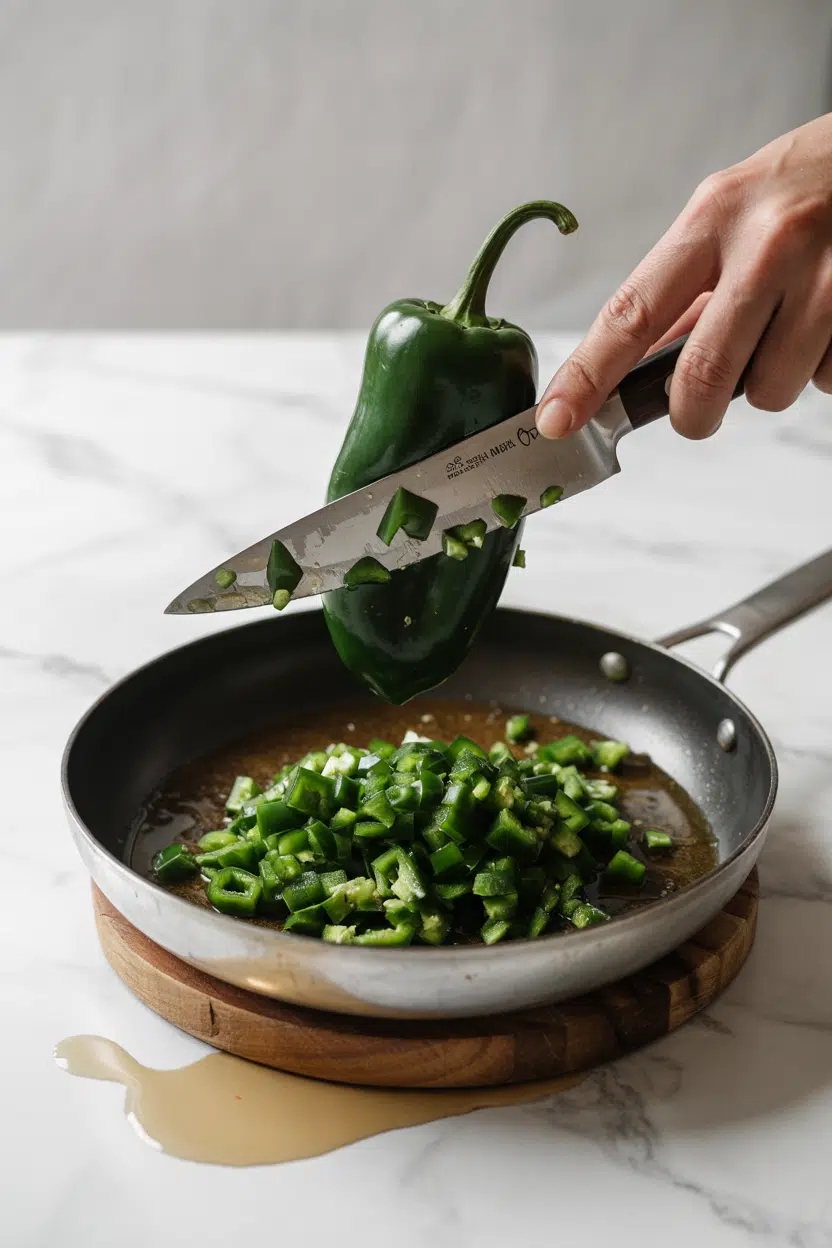
Raw poblano tastes like a bell pepper that grew up with more ambition - green, slightly grassy, and vegetal with a mild back-of-throat warmth that lingers without burning. The fruity undertone is subtle but present, especially in larger, flatter specimens.
Roasting changes everything. Direct flame contact chars the skin, loosens it for peeling, and drives a Maillard-driven shift from vegetal to toasty, lightly sweet, and smoky.
That's the flavor most associated with poblanos in cooked dishes - it's what makes chile rellenos taste the way they do.
Dried into ancho, the profile shifts again. Fruity-molasses notes dominate, and the heat barely registers.
Ancho tastes almost nothing like fresh poblano, which is why the two aren't interchangeable in a recipe without adjusting quantities and expected flavor.
How to Use poblano pepper
Roasting over an open flame is the starting point for most Mexican preparations. You char the skin directly on a gas burner or under a broiler, steam the pepper in a covered bowl for ten minutes, then peel. What remains is silky, smoky, and ready for nearly anything.
| Method | Best For | Tip |
|---|---|---|
| 🥗 Raw | Diced into salsas, sliced into quesadillas | Remove seeds and ribs to reduce heat further |
| 🔥 Roasted/Charred | Chile rellenos, rajas con crema, creamy soups | Steam after charring for easier skin removal |
| 🍲 Stewed/Braised | Mole-style sauces, enchilada bases | Add early for deeper integration into the sauce |
| 🥘 Sautéed | Taco fillings, rice dishes, egg scrambles | Dice small and cook in oil before adding aromatics |
| 🌿 Dried (Ancho) | Marinades, rubs, mole negro, chili blends | Toast briefly in a dry pan before rehydrating |
Rajas con crema is one of the simplest and most rewarding uses: roasted strips of poblano cooked down with onion, corn, and cream or crema - try making mexican rajas con crema at home if you haven't yet. For stuffing, large flat poblanos hold cheese or picadillo filling without tearing during cooking.
Pairings that work consistently include fresh corn and masa, queso fresco, roasted garlic, pork, and chicken. Lime and cilantro brighten the smokiness without competing.
Crema or sour cream cool the mild heat and carry the flavor across a dish.
For cooks who need a bell pepper swaps that work in a pinch, a raw poblano can step in - it adds mild heat and earthiness where bell pepper would only add sweetness.
The reverse works too, though you'll lose the complexity.
How to Buy and Store poblano pepper
Pick peppers that are firm, glossy, and heavy for their size. Smooth skin without wrinkles, cuts, or soft patches is the right signal.
For stuffing or roasting whole, choose large, flat specimens - they have more flesh and hold their shape better under heat.
Store unwashed poblanos in a perforated plastic bag in the produce drawer, keeping the stem intact to slow moisture loss.
Raw peppers last 1-2 weeks refrigerated this way.
Roasted, peeled, and packed into an airtight container, they keep 3-4 days in the fridge.
Frozen roasted poblanos extend that to six months - check poblano pepper spoilage signs before using anything that's been sitting a while.
- 🛒 Buy firm and glossy - heavy for size, no soft spots or cuts
- 🧊 Freeze roasted - peel first, store flat, use within 6 months
- 🌿 Dry into ancho - best option for long-term pantry storage
Start With One Dish
If you've never cooked a poblano, chile rellenos are the entry point that shows you everything at once: roasting technique, texture transformation, and how the pepper carries a filling without becoming secondary to it.
Once roasting feels routine, move to rajas - simpler, faster, and flexible enough to go on eggs, tacos, or rice.
From there, drying your own ancho is a reasonable next step for cooks who want to work with deeper, concentrated flavor.
The poblano rewards incremental familiarity. Start roasted, then stuffed, then dried - that progression covers most of what Mexican cooking asks of this chile.
Frequently Asked Questions
Mildly. Fresh poblanos register 1,000-1,500 Scoville units - noticeable warmth but far below jalapeño heat. Removing the seeds and inner ribs reduces that further.
Same pepper, different form. Ancho is a poblano that has ripened to red and been dried. The flavor shifts from green and earthy to dark, fruity, and slightly sweet - they're not interchangeable in recipes.
Char directly over a gas flame or under a broiler, turning until the skin blisters all over. Transfer to a covered bowl for 10 minutes, then peel - the skin slips off easily once steamed.
Yes. Peel and seed them first, then freeze flat on a tray before transferring to a bag. They keep up to 6 months and thaw quickly for sauces, soups, or rajas.
They anchor chile rellenos, rajas con crema, and mole-style sauces. Dried as ancho, they form the backbone of mole negro and many regional spice blends across central and southern Mexico.



