
You spot them at the grocery store - tapered, pale yellow, and slightly waxy - and wonder if they're the same as those pickled rings on your deli sub. Banana peppers are a fixture in American sandwich shops and Italian-American antipasti spreads, appreciated for their mild tang rather than heat.
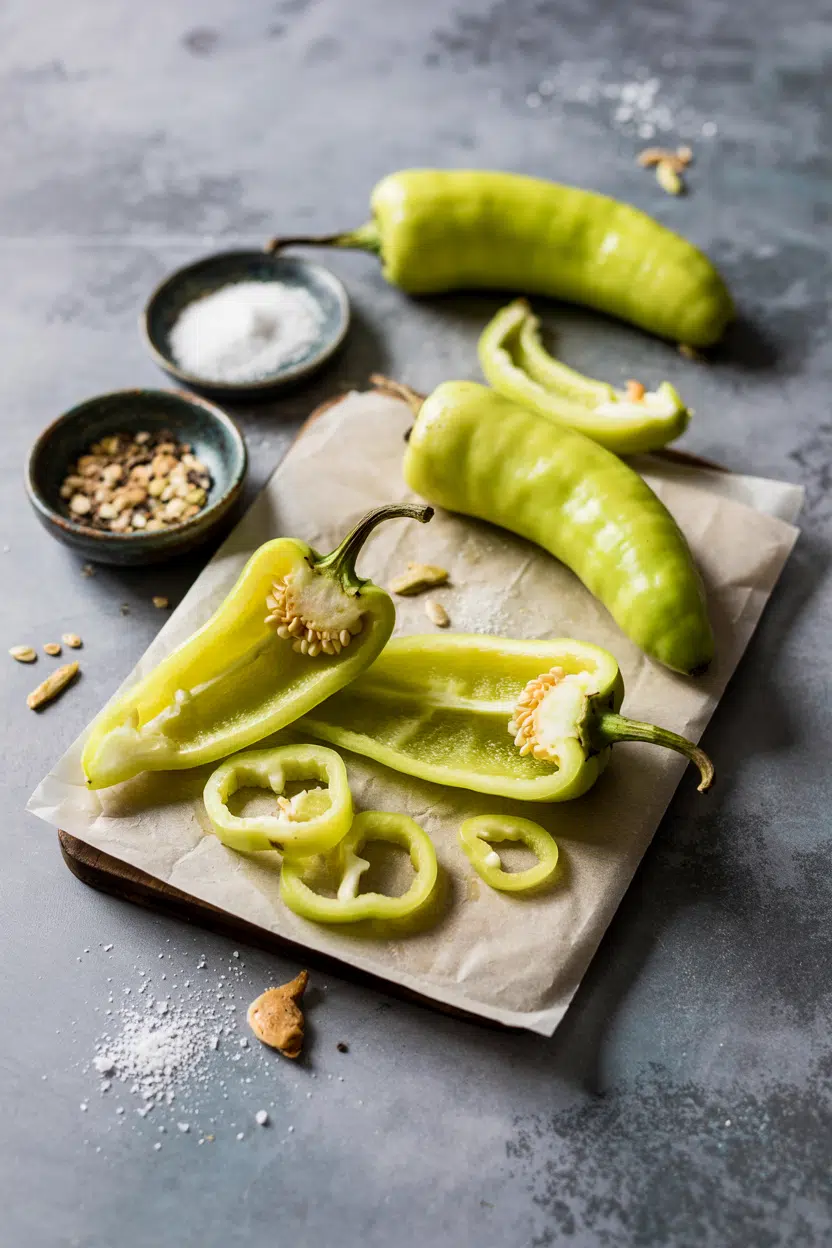
If you've ever assembled stuffed appetizers, knowing about seasoning with stuffed peppers helps you plan prep and storage around fresh pepper timelines.
These are not fire-eaters' peppers - they're mild enough for anyone who finds jalapeños too aggressive, yet interesting enough to carry a dish on their own.
A mild, tangy chili pepper from the Capsicum annuum group, banana peppers are eaten raw, pickled, or briefly cooked. They offer a crisp, slightly sweet bite with low heat and a citrusy edge - a go-to topping for subs, salads, and antipasti.
What Is Banana Pepper?
Banana pepper is a sweet-mild chili pepper in the Capsicum annuum group, native to South America and now widely grown across North America and the Mediterranean.
Remember it later
Planning to try this recipe soon? Save it for a quick find later!
Its name comes from its shape - a tapered, curved pod roughly 2-3 inches long that resembles a small banana.
You'll also see it labeled as yellow wax pepper, banana chile, banana chilli, or banana pepperoncini, depending on the region.
Fresh peppers start out pale yellow or light green and mature through orange to red. Most are harvested at the yellow stage for their characteristic mild tang.
A softer cousin to the bell pepper in heat terms, banana peppers sit near zero on the Scoville scale - typically 0-500 SHU - which is far below even a mild poblano.
Two main forms appear in markets: fresh and pickled. Fresh peppers have thin, crisp walls.
Pickled versions are packed in vinegar brine, which deepens their tang and is how most people first encounter them.
If banana peppers aren't available, there are solid replacements for banana pepper that cover both the fresh and pickled applications.
Pepperoncini is the most common swap, though replacements for provolone cheese become relevant when you're building a full antipasti board and need to swap multiple components.
What Does Banana Pepper Taste Like?
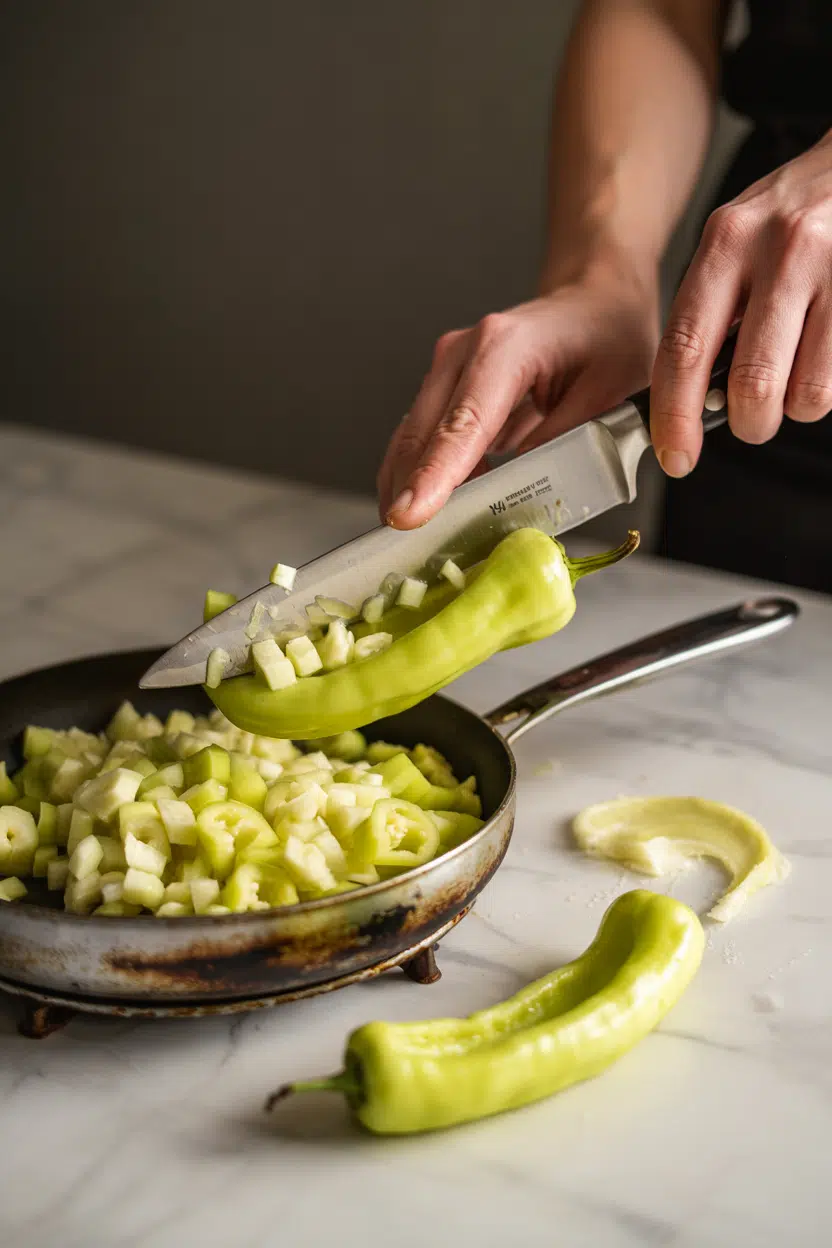
Fresh banana peppers taste mildly tangy and slightly sweet, with a crisp bite and a faint citrusy edge at the back of the palate. Heat is barely there - most tasters notice warmth only if they eat several at once.
Compared to pepperoncini, banana peppers are noticeably sweeter and less vinegary in their fresh state. Pickled banana peppers develop a sharper, more pronounced tang from the brine - but still land gentler than most jarred pepperoncini.
Red-ripe banana peppers taste slightly fruitier and less acidic than yellow ones, with a thinner heat that lingers just a moment longer.
How to Use Banana Pepper
Banana peppers do their best work in American deli and Italian-American cooking, though they show up across Mediterranean antipasti and northern Mexican preparations too. Raw slices are the classic deli sub topping, layered over provolone, onion, and Italian sausage.
Pasta salads benefit from a handful of sliced rings - the pepper's natural acidity pulls the dish together without added dressing.
| Method | Best For | Tip |
|---|---|---|
| 🥗 Raw | Subs, pasta salads, burgers, pizza topping | Slice thin for better coverage and even distribution |
| 🫙 Pickled | Antipasti boards, salad bars, relish, tacos | Drain well before adding to avoid diluting dressings |
| 🔥 Sautéed | Fajitas, egg scrambles, onion-pepper sides | Keep heat high and time short - 2-3 minutes max |
| 🍽️ Stuffed & Baked | Appetizers with cream cheese or ground meat | Use slightly underripe peppers so they hold shape |
| 🌮 Grilled | Tacos, salsas, roasted vegetable sides | Understanding [comparing broiling vs grilling options](https://forkliftkitchen.com/broiling-vs-grilling/) helps decide which method preserves more texture |
Stuffed banana peppers are a standout application. Cream cheese, herbed ricotta, or seasoned ground sausage fill the cavity cleanly, and the pepper's thin walls bake through in under 20 minutes. Knowing cream cheese spoilage signs matters here if you're prepping stuffed peppers a day ahead. For pickling your own, white vinegar or cider vinegar both work - guidance on replacements for apple cider vinegar is useful if you want to adjust brine sharpness.
How to Buy and Store Banana Pepper
At the market, reach for peppers with smooth, glossy skin - uniformly pale yellow or light green, firm throughout, no wrinkled tips or soft spots. Dry or brown stems signal age.
For pickling projects, buy slightly underripe, firmer peppers so the walls hold shape once submerged in brine.
- 🌡️ Fresh storage - Refrigerate unwashed in a breathable bag; crisper drawer extends life to 1-2 weeks.
- 🫙 Pickled storage - Keep sealed jars at room temperature until opened, then refrigerate in brine.
- 📅 Pickled shelf life - Unopened jars last months; once opened, use within several weeks for best flavor.
- 🚫 Avoid - Plastic-sealed airtight bags trap moisture and cause premature softening at the tips.
Good tracking of seasoning with banana pepper timelines keeps both fresh and jarred stock in rotation without waste.
Where to Start with Banana Pepper
Fresh banana peppers are low-commitment. Grab a few, slice them raw onto a sandwich, and you'll immediately understand what the fuss is about.
- 🥪 First use - Raw rings on a sub with provolone and onion; no cooking required.
- 🫙 Next step - Quick-pickle slices in white vinegar brine; ready in 24 hours.
- 🍽️ Intermediate - Stuff with cream cheese and bake for 18-20 minutes at 375°F.
Anyone who finds hot peppers too sharp will appreciate how banana peppers add acidity and pepper character without the burn. They're one of the few chilies that work equally well straight from the fridge or out of a jar.
Frequently Asked Questions
No. Banana peppers rate 0-500 SHU on the Scoville scale, placing them well below jalapeños and even most mild chilies. Most people detect no heat at all, especially from yellow-stage fresh peppers.
Banana peppers are sweeter and milder, with thinner walls and a more tapered shape. Pepperoncini have a slightly more wrinkled skin, a sharper vinegary bite when pickled, and a touch more heat.
Yes - raw is one of the best ways to use them. The crisp texture and fresh tang are at their peak before any heat is applied, making raw slices ideal for sandwiches and salads.
They're closely related but not identical. Yellow wax pepper is a broader category that includes hotter varieties; banana peppers are specifically the mild, sweet-flavored type within that group.
Cream cheese, herbed ricotta, and seasoned ground sausage are the most common fillings. The pepper's thin walls bake through quickly, so dense or wet fillings work better than chunky ones that need longer cook times.



