
Cachaça does something in a cocktail that swapping out vodka or reaching for plain white rum simply can't replicate - it brings a raw, grassy cane character that anchors a drink in a way that feels both earthy and alive.

Brazil's national spirit has long lived in the shadow of rum in English-speaking markets, quietly powering one of the world's most iconic cocktails while remaining underappreciated as a cooking ingredient.
That's changing.
Cachaça is a Brazilian sugarcane spirit distilled from fresh cane juice rather than molasses. Clear prata expressions are grassy and bright; aged ouro picks up wood spice. It's the backbone of the caipirinha and a capable cooking spirit.
What Is cachaça?
Cachaça is Brazil's legally defined national spirit, distilled from fermented fresh sugarcane juice - not molasses, which is the key distinction separating it from most commercial rum.
Remember it later
Planning to try this recipe soon? Save it for a quick find later!
Production is concentrated in Minas Gerais, São Paulo, and Rio de Janeiro, with hundreds of artisanal distilleries operating alongside large industrial producers.
Two main styles define the market. Prata (silver or white) is unaged or briefly rested, bottled clear with all its raw cane character intact. Ouro (gold or amber) spends time in wood - often Brazilian hardwoods like amburana or jequitibá, not always oak - picking up colour, tannin, and spice.
You'll sometimes see it labeled aguardente de cana or, incorrectly, "Brazilian rum." That second label is a misnomer worth ignoring.
If you've worked with rhum agricole from Martinique or Guadeloupe, you'll recognize the fresh-juice production method, though cachaça typically runs grassier and more funky.
- 🌾 Prata (silver) - unaged or briefly rested; clear, bright, and vegetal
- 🥃 Ouro (gold) - aged in wood barrels; amber colour, rounder, spiced
- 🌿 Artisanal - pot-distilled, single-distillery expressions with more character
- 🏭 Industrial - column-distilled, cleaner, milder; dominant in volume
What Does cachaça Taste Like?
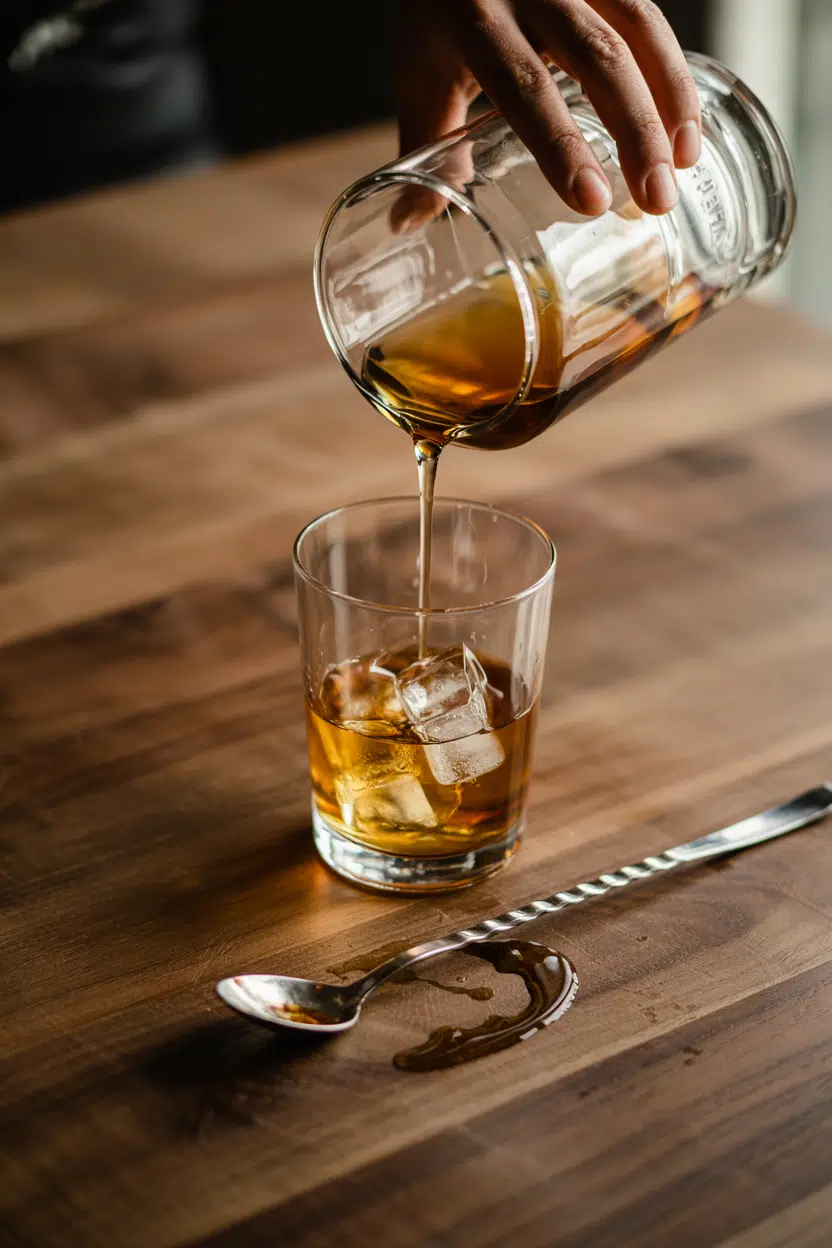
Fresh sugarcane sweetness leads on the palate, but it's not the sticky sweetness of molasses-based spirits. It's greener - closer to biting into raw cane - with a grassy, slightly vegetal undercurrent and mild fruity esters that read almost funky on first encounter.
Unaged prata is the most nakedly expressive style, where that green-cane brightness dominates.
Aged ouro softens the edges considerably, trading some grassiness for vanilla, dried fruit, and wood spice depending on the barrel type. Amburana-aged cachaça in particular develops a distinctive cinnamon-like warmth that surprises drinkers expecting something closer to bourbon.
Compared to unaged rum, cachaça is consistently grassier and more vegetal, with a brighter cane note that stays present even through muddled lime and sugar in a caipirinha.
How to Use cachaça
Cachaça's most famous role is the caipirinha - muddled lime wedges, granulated sugar, and a generous pour of prata over ice.
The grassy cane note holds its own against the acid, creating a balance that lighter spirits struggle to match.
It also works as a direct swap in daiquiri-style builds where rhum agricole is called for, though cooks looking for replacements for cachaça in a pinch will find the options limited but workable.
Outside cocktails, aged ouro earns its place in the kitchen.
| Method | Best For | Tip |
|---|---|---|
| 🍹 Muddling | Caipirinhas, citrus cocktails | Use prata; aged expressions muddy the citrus |
| 🥩 Marinating | Beef, pork, chicken; adds cane sweetness and tenderizes | Combine with lime juice, garlic, and brown sugar |
| 🔥 Flambéing | Pineapple, banana, stone fruit desserts | Ouro's wood spice complements caramelized fruit |
| 🍳 Deglazing | Pan sauces for grilled meats | A small splash of ouro adds depth without sweetness |
| 🎂 Soaking | Fruitcake, boozy syrups, baked-good glazes | Pairs with cinnamon and vanilla in the soak liquid |
Cachaça pairs particularly well with lime and citrus, brown sugar, and tropical fruits like pineapple, passionfruit, and mango. Fresh herbs - mint and cilantro - work alongside it in cocktails and ceviches.
Aged expressions open up to vanilla, cinnamon, and even ginger when building sauces or reductions.
Brazilian cooking is the natural home, but Latin American fusion and Caribbean-influenced coastal cuisines have adopted it readily. A shrimp ceviche with a small splash of cachaça and lime reads brighter than one made with plain citrus alone.
How to Buy and Store cachaça
At the bottle, look for two things: the style declaration (prata or ouro) and ABV. Traditional cachaça runs between 38-48%; anything outside that range or vaguely labeled "spirit" deserves skepticism.
Labels mentioning fresh juice or harvest date signal artisanal production, which generally means more distinct character.
Storage is straightforward. Keep bottles upright in a cool, dark spot - heat and light degrade the volatile grassy notes faster in unaged expressions than in most spirits.
Seal the cap tightly after each pour. Understanding cachaca's shelf life matters most with delicate prata: best within 1-3 years of opening, though the bottle is safe indefinitely.
Start Here
Reach for prata if your goal is a caipirinha or any cocktail where grassy brightness should lead. Switch to ouro when you're deglazing, flambéing, or sipping straight - the wood rounds out what can feel raw in a cooking context.
- 🍹 First cocktail - caipirinha with prata, fresh lime, and granulated sugar
- 🥩 First kitchen use - add a splash to a beef or pork marinade with lime and garlic
- 🔥 First upgrade - flambé sliced pineapple with ouro for an instant dessert
If the grassy funk of prata feels unfamiliar at first, try an aged expression instead - it bridges the gap more gently. Cachaça rewards curiosity.
Frequently Asked Questions
No. Rum is typically distilled from molasses, a byproduct of sugar refining. Cachaça uses fresh sugarcane juice, which gives it a grassier, more vegetal flavor profile that molasses-based rum doesn't share.
Fresh sugarcane is pressed, and the juice is fermented - often with wild or cultivated yeasts - then distilled, usually to between 38-48% ABV. Prata is bottled clear; ouro goes into wood barrels for aging.
The grassy cane sweetness holds its own against the lime's acidity, creating a rounder, earthier finish than a daiquiri made with plain white rum. The spirit's slight funk integrates rather than disappears.
Yes - aged ouro is the better cooking choice. It deglazes pan sauces, works in marinades, and flambés fruit desserts well. Prata's raw grassiness can turn sharp with heat, so save it for cold applications.
Rhum agricole is the closest match - same fresh-juice base, similar grassiness. White rum works in a pinch but loses the vegetal edge. You can also look at [alternatives to rum](https://forkliftkitchen.com/rum-substitutes/) for broader options depending on the recipe.



