
Pepper jack does something that plain Monterey Jack cannot - it brings heat to the melt.

That combination of creamy, smooth texture and fresh jalapeño bite makes it one of the few cheeses that works equally well on a burger, inside a quesadilla, or folded into scrambled eggs, whether you're relying on using air fryer grilled cheese for creaminess or keeping things simple with using quesadillas for creaminess.
Pepper jack is a semi-soft American cheese built on a Monterey Jack base, flavored with chopped jalapeño or anaheim peppers. It melts smoothly, carries mild-to-moderate heat, and works across Tex-Mex, grilled, and casual cooking formats.
What Is pepper jack cheese?
Pepper jack is a semi-soft American cheese originating in California, produced from the same Monterey Jack base as its milder cousin. Makers fold chopped fresh or roasted peppers - most commonly jalapeño, sometimes anaheim - into the curd before pressing.
Remember it later
Planning to try this recipe soon? Save it for a quick find later!
The result is a pale ivory cheese studded with visible green flecks throughout. Some producers add roasted or smoked peppers for a deeper, earthier heat, and a few versions include herbs or serrano peppers for extra punch.
It falls under the broader peppered Monterey Jack category and is sold under several names: pepper jack, pepper-jack, and pepperjack are all the same product. Moisture content sits higher than cheddar, which gives it that springy-when-cold, creamy-when-melted character.
- 🧀 Base cheese - Monterey Jack curd, pressing style, and moisture level
- 🌶️ Heat source - jalapeño most common; anaheim, serrano, or roasted peppers in some versions
- 🌿 Optional additions - herbs, garlic, or smoked peppers depending on the producer
- 📍 Origin - California, now produced across the United States
What Does pepper jack cheese Taste Like?
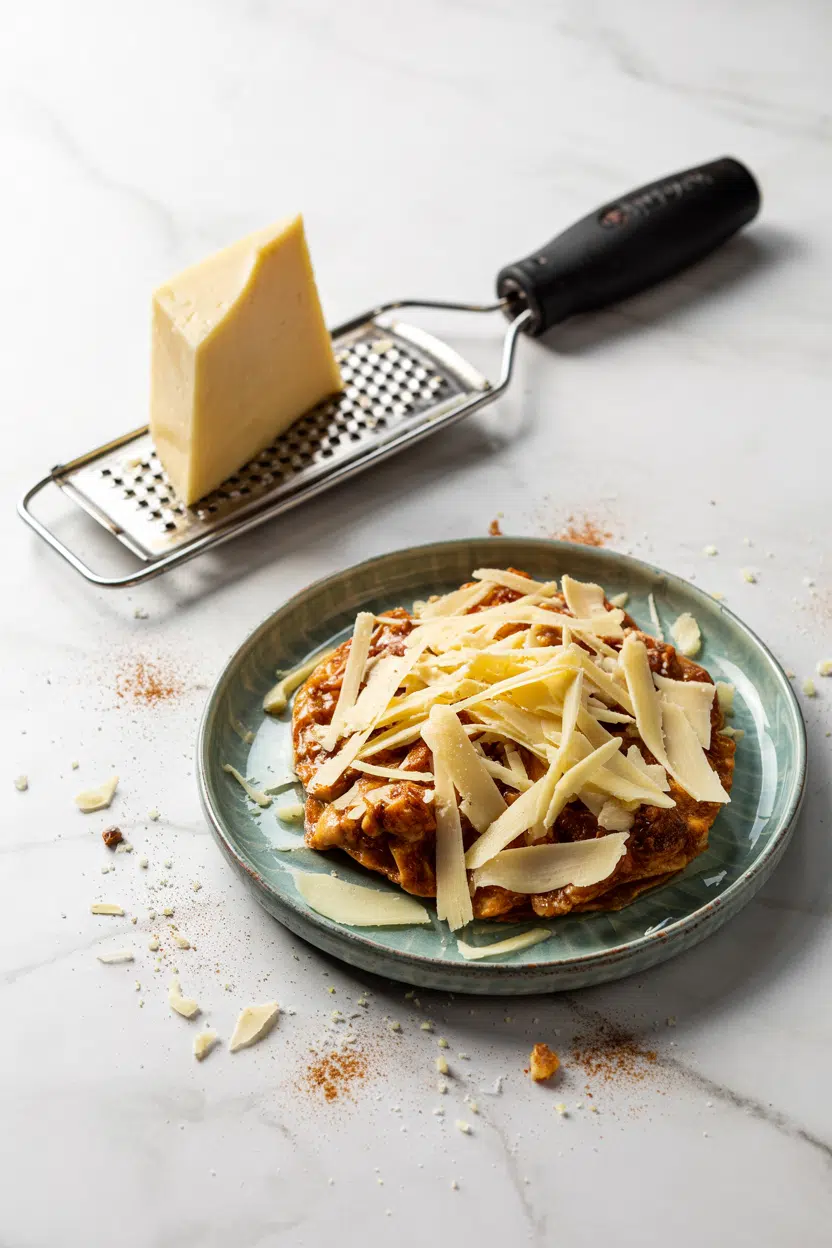
The first thing you notice is mild lactic creaminess - the same clean, milky tang you get from straight Monterey Jack. Then the pepper heat arrives, bright and fresh rather than scorching.
It's less sharp than cheddar and milder than peppered queso fresco. Versions made with roasted or smoked peppers develop an earthier, slightly smoky undertone that reads more complex than the standard jalapeño variety.
Heat level varies by brand. Standard pepper jack sits at mild-to-moderate - most people sensitive to spice can handle it, though versions labeled "hot" with serrano or habanero additions climb noticeably higher.
How to Use pepper jack cheese
Melting is where pepper jack earns its place. The high moisture content of its Monterey Jack base means it flows smoothly without breaking into greasy puddles, making it a natural for stovetop and oven applications.
| Method | Best For | Tip |
|---|---|---|
| 🔥 Melted | Burgers, quesadillas, mac and cheese, nachos | Low-to-medium heat keeps it smooth; high heat can separate the fat |
| 🫕 Baked | Enchiladas, casseroles, breakfast bakes | Shred finely so it melts evenly across the surface |
| 🥗 Sliced cold | Sandwiches, burgers, charcuterie boards | Buy a block and slice thick - pre-sliced packs dry out faster |
| 🍳 Folded in | Scrambled eggs, omelets, frittatas | Add off heat so it melts gently without rubbery streaks |
Southwestern American and Tex-Mex cooking use it most heavily - inside burritos and enchiladas, shredded over nachos, or tucked into a quesadilla alongside roasted chiles. It also fits comfortably in American casual formats like grilled cheese and cheeseburgers.
Pairing it well means leaning into contrast. Avocado or guacamole softens the heat with fat; tomato salsa or pico de gallo matches its brightness. On a board, cured or smoked sausages work better than delicate charcuterie.
For a savory breakfast, a migas tex-mex eggs recipe folds pepper jack into eggs alongside fried tortilla strips for a textured, spicy bite.
If a recipe calls for jack cheese and you want some heat, pepper jack is the obvious move - though if you need something without the spice, understanding using jack cheese for creaminess covers the plain alternatives.
Equally, if you're working around a dietary restriction or can't source it, swapping out pepper jack cheese gives you workable replacements that keep the melt.
How to Buy and Store pepper jack cheese
A good block of pepper jack should look pale ivory with evenly distributed green flecks. Avoid anything with wet or slimy surfaces, dried-out edges that have gone brown, or a rind that looks cracked and dull.
Buy a whole block or large wedge when you can, then shred or slice as needed. For storage, wrap the cut face in waxed paper or parchment first, then add a loose layer of plastic wrap or slide it into a resealable bag.
Keep it in the cheese drawer or on the coldest refrigerator shelf.
An unopened package holds for 4-6 weeks in the fridge.
Once opened, aim to use a wrapped block within 2-3 weeks.
Learn to spot the difference between normal surface dryness and actual pepper jack cheese spoilage signs before deciding whether to trim or toss.
If the recipe calls for anaheim pepper and you've run out, swapping out anaheim pepper lists the closest heat-level alternatives.
Start with the Melt
If you're new to pepper jack, a quesadilla or simple cheeseburger is the right entry point. Both applications let the cheese melt fully, which shows off the smooth texture and keeps the heat approachable.
Once you're comfortable with it, move toward baked dishes - enchiladas, breakfast casseroles, or mac and cheese - where the pepper flavor disperses through the whole dish. Those formats reveal how well it performs beyond the obvious applications.
Frequently Asked Questions
Mildly to moderately. Standard pepper jack with jalapeño sits low enough for most people, including those who don't typically eat spicy food. Versions labeled "hot" that use serrano or habanero peppers climb considerably higher.
Monterey Jack is plain and mild with no added heat. Pepper jack uses the same base cheese but includes chopped jalapeño or other peppers folded into the curd, adding heat and visible green flecks.
Yes - most producers use real chopped jalapeño or anaheim pepper mixed into the curd. A few lower-cost products use pepper flavoring or dried flakes instead, so check the ingredient list if freshness matters.
You can, but the texture suffers. Freezing causes the semi-soft structure to become crumbly on thawing, which makes it better suited for melting applications than cold slicing afterward. Wrap tightly and use within two months.
An unopened block keeps for 4-6 weeks. Once opened and wrapped properly in waxed paper and plastic, expect 2-3 weeks. Shredded pepper jack is the most perishable - use it within about one week.



