
Peel a clementine and the aroma hits before you even take a bite - a clean citrus blossom scent with a faint sweetness that's closer to perfume than pith.
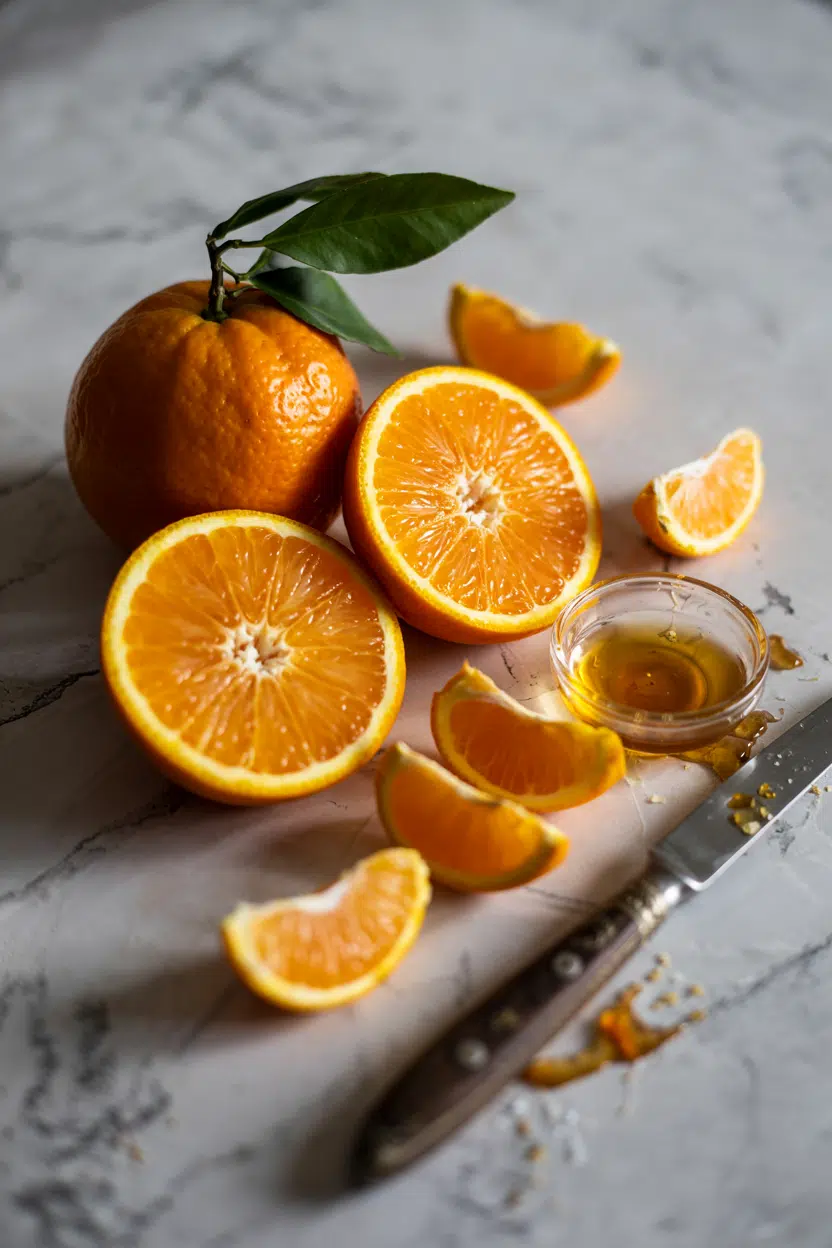
The first segment releases juice that's bright and tangy, then rounds into a honeyed sweetness that lingers.
That combination is why clementines outsell most other small citrus on produce shelves.
If you're working with citrus in a recipe and need to know what can stand in, understanding clementine swaps that work saves you a trip to the store.
Clementines also cross paths with other marmalade citrus - if you've ever tried swapping out lime marmalade, clementine makes a warmer, less bitter alternative.
A clementine is a small, seedless mandarin hybrid with sweet citrus flavor, bright acidity, and a thin, easy-peel skin. Eat it fresh, juice it, zest it, or glaze with it. Refrigerated, it keeps up to two weeks.
What Is Clementine?
A clementine is a small citrus fruit produced by crossing a mandarin with a sweet orange, first cultivated in Algeria in the late 19th century.
Remember it later
Planning to try this recipe soon? Save it for a quick find later!
It takes its name from Father Clément Rodier, who is widely credited with developing the hybrid.
Spain and France later drove commercial production, and the fruit became a staple of European winter markets before spreading globally.
Most clementines are nearly or completely seedless, which sets them apart from older mandarin varieties.
The skin is thin, glossy, and deep orange - it pulls away cleanly without tools, making the fruit uniquely practical.
You may also see it labeled as clemenules (a popular Spanish cultivar), clementina in Italian and Spanish contexts, or loosely called a seedless mandarin in supermarkets.
Clementines typically weigh between 70 and 100 grams and are slightly smaller than a tangerine. Several cultivars exist, including Nules, Hernandina, and Oroval, each varying slightly in season and seed count.
The peak season runs from November through January in the Northern Hemisphere, which is why they appear heavily in holiday fruit displays.
What Does Clementine Taste Like?
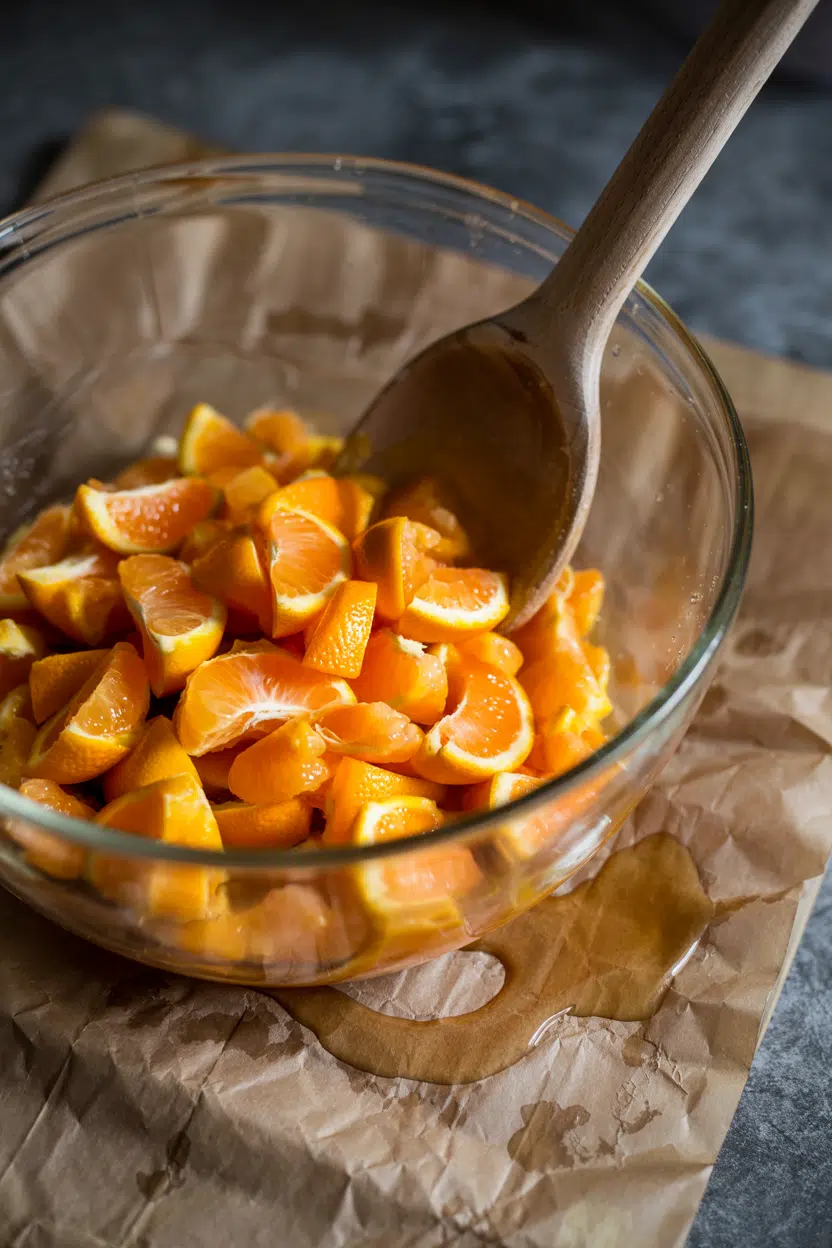
Clementines taste like a sweeter, milder version of a tangerine, with less of the sharp bitterness you get from a navel orange's pith.
The flavor profile is dominated by bright citrus sweetness, with a clean tangy acidity that doesn't overwhelm.
There's a subtle floral note - faint, not perfumed - and a honeyed finish that makes the fruit feel richer than its size suggests.
Heat concentrates the sweetness and softens the acidity, which is why a reduced clementine glaze reads sweeter and more jammy than the raw fruit. Raw segments keep that pop of brightness, making them more useful where contrast is the goal.
The peel zested over a finished dish adds the aromatic top note without the juice's acidity.
How to Use Clementine
Raw segmentation is the most common approach - pull segments apart and eat them fresh, or toss them into green salads alongside arugula, fennel, and goat cheese. The sweet acidity lifts bitter greens without needing much additional dressing. For a simple vinaigrette, clementine juice and zest replace lemon well and add a rounder, less sharp citrus note.
Glazing is where clementines earn real kitchen credibility.
Reduce the juice with honey and soy, and you have a glaze that works on roasted salmon, duck breast, or chicken thighs - the sugars caramelize without burning as quickly as straight citrus reductions. Candied peel is another strong use: simmer strips in sugar syrup, dry them, and fold them into biscotti or chocolate bark.
Small-batch marmalade is worth making when you have a surplus, and the fruit's low-to-no seed count makes the process faster than most citrus preserves.
| Method | Best For | Tip |
|---|---|---|
| 🥗 Raw | Salads, snacking, cocktail garnish | Add segments last so juice doesn't bleed into the dressing |
| 🍳 Glazed | Salmon, chicken, duck | Reduce juice by half before adding honey for a thicker glaze |
| 🍋 Zested/Juiced | Marinades, vinaigrettes, curds | Use a microplane and stop before the white pith |
| 🍯 Preserved | Marmalade, candied peel | Blanch peel twice to reduce bitterness before candying |
Clementine pairs well with olive oil, rosemary, and thyme in Mediterranean-style preparations, and with ginger and soy in East Asian-influenced glazes. Avoid pairing with heavy cream-based savory sauces - the acidity breaks the fat and curdles the sauce.
For recipes where a citrus glaze is the centerpiece, these work as a strong starting point:
How to Buy and Store Clementine
Pick clementines that feel heavy for their size - that weight signals high juice content. The skin should be smooth and glossy with no wrinkling, soft spots, or mold at the stem end.
Loose clementines give you better control over selection than pre-bagged nets, where hidden bruising is common.
Store unwashed clementines at room temperature for up to a week in a cool, ventilated spot.
For longer storage, move them to the crisper drawer in a breathable bag - they'll hold for 10 to 14 days.
Peeled segments keep in a sealed container in the fridge for 3 to 4 days, though they lose some aroma.
The full breakdown of clementine's shelf life covers edge cases like humidity and post-peel storage in more detail.
Where to Start With Clementine
Clementines are one of the few fruits that work equally well straight from the peel or in a cooked application. Start fresh - eat a few segments to understand the baseline sweetness and acidity before cooking with them.
Once you've cooked with the juice, try the zest - it adds the citrus aroma without the acidity, which gives you more control in delicate recipes.
If you're ever zesting for baking and run short, lime zest swaps that work can fill the gap, though the flavor will be sharper. Clementines reward simple handling - the less you do to them, the more the natural flavor shows.
Frequently Asked Questions
No. Clementines are a mandarin-sweet orange hybrid; tangerines are a separate mandarin variety. Clementines are typically sweeter, smoother-skinned, and nearly always seedless, while tangerines often have seeds and slightly more tartness.
Most are, but not guaranteed. Clementines grown near cross-pollinating citrus varieties can develop seeds. Buying certified seedless or organically isolated cultivars like Nules reduces the chance significantly.
Peak season runs November through January in the Northern Hemisphere. Spanish and Moroccan harvests hit shelves earliest, typically by late October, while Californian crops extend availability into February.
Yes. Peel and segment them, then freeze on a lined tray before transferring to a bag. Texture softens after thawing, so use frozen segments in smoothies, glazes, or sauces rather than fresh applications.
Roughly two to three clementines match one medium navel orange in juice volume. For zest, two clementines yield about the same amount as one orange, though the flavor is sweeter and less bitter.



