
Macaroni and cheese made with cavatappi holds its sauce in a way flat or smooth pasta simply can't - the spiral groove and hollow tube work together to pull in every bit of cheddar, and that's before you even factor in the ridged exterior.
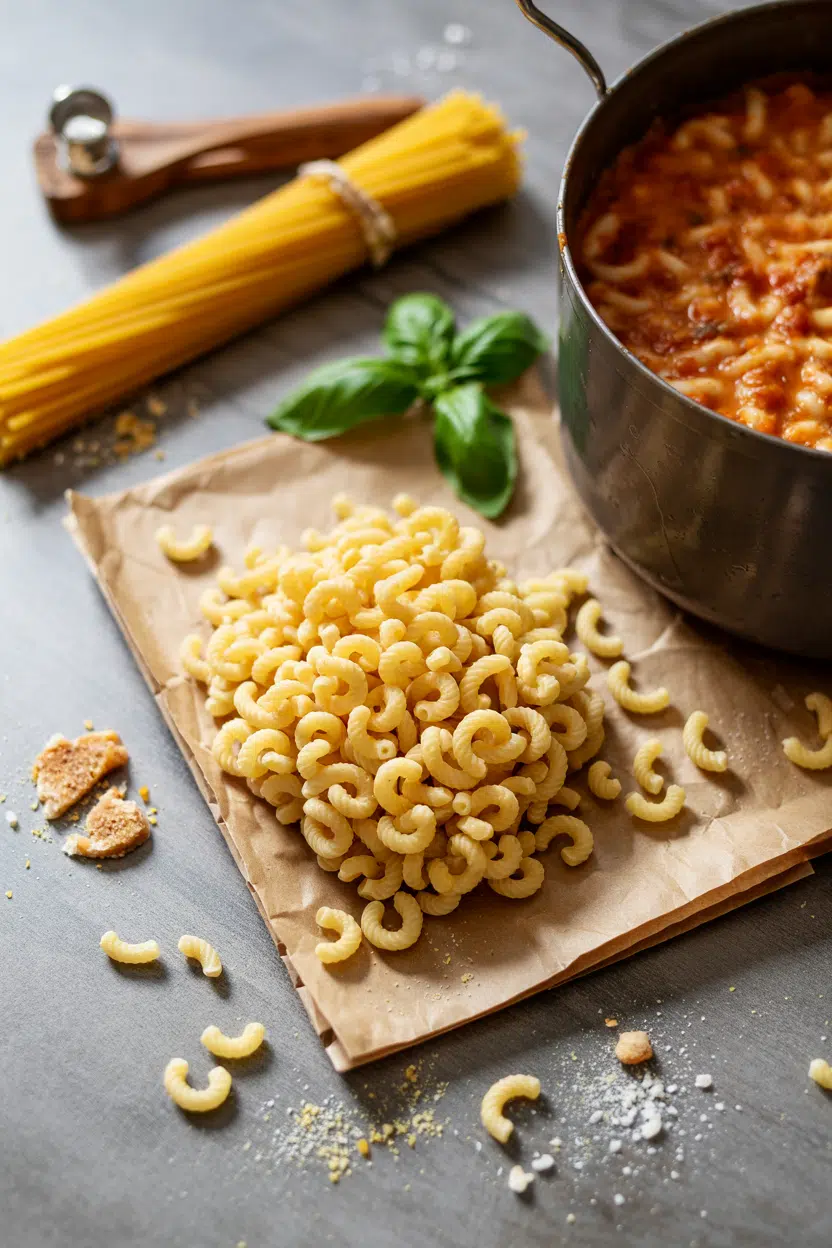
Whether you're building a cold italian pasta salad in grain dishes or layering a baked ragù casserole, this corkscrew shape earns its spot.
Knowing what cavatappi actually tastes like, how to cook it properly, and what to pair it with makes the difference between a dish that works and one that doesn't.
Cavatappi is a short, ridged corkscrew pasta made from durum semolina. Its hollow spiral traps chunky and creamy sauces better than most short pasta shapes. Mild in flavor, it works as a neutral carrier that lets the sauce do the talking. Dry shelf life runs 12-24 months unopened.
What Is cavatappi pasta?
Cavatappi is a short, hollow pasta shaped into a double-helix corkscrew, made from durum semolina and water. The name translates roughly from Italian as "corkscrew," which describes the shape exactly.
Remember it later
Planning to try this recipe soon? Save it for a quick find later!
Its modern commercial form was popularized in the 20th century, though the shape draws on older Italian pasta-making traditions.
You'll see it sold under several names depending on the brand. Cellentani is the most common alternate name, used by Barilla; spirali appears less frequently but refers to the same shape.
What sets cavatappi apart structurally is the combination of three sauce-trapping features working at once:
- 🌀 Hollow tube - sauce and small ingredients travel inside the pasta itself
- 🌀 Spiral groove - wraps around the outside, collecting chunky bits of meat or vegetable
- 🌀 Ridged exterior - fine lines across the surface grip creamy and oil-based sauces
No single other short pasta combines all three. Rotini has the spiral but no hollow core.
Penne has the tube but no spiral channel. If you need a substitute, understanding what each shape sacrifices is worth looking into through our guide to alternatives to cavatappi pasta.
What Does cavatappi pasta Taste Like?
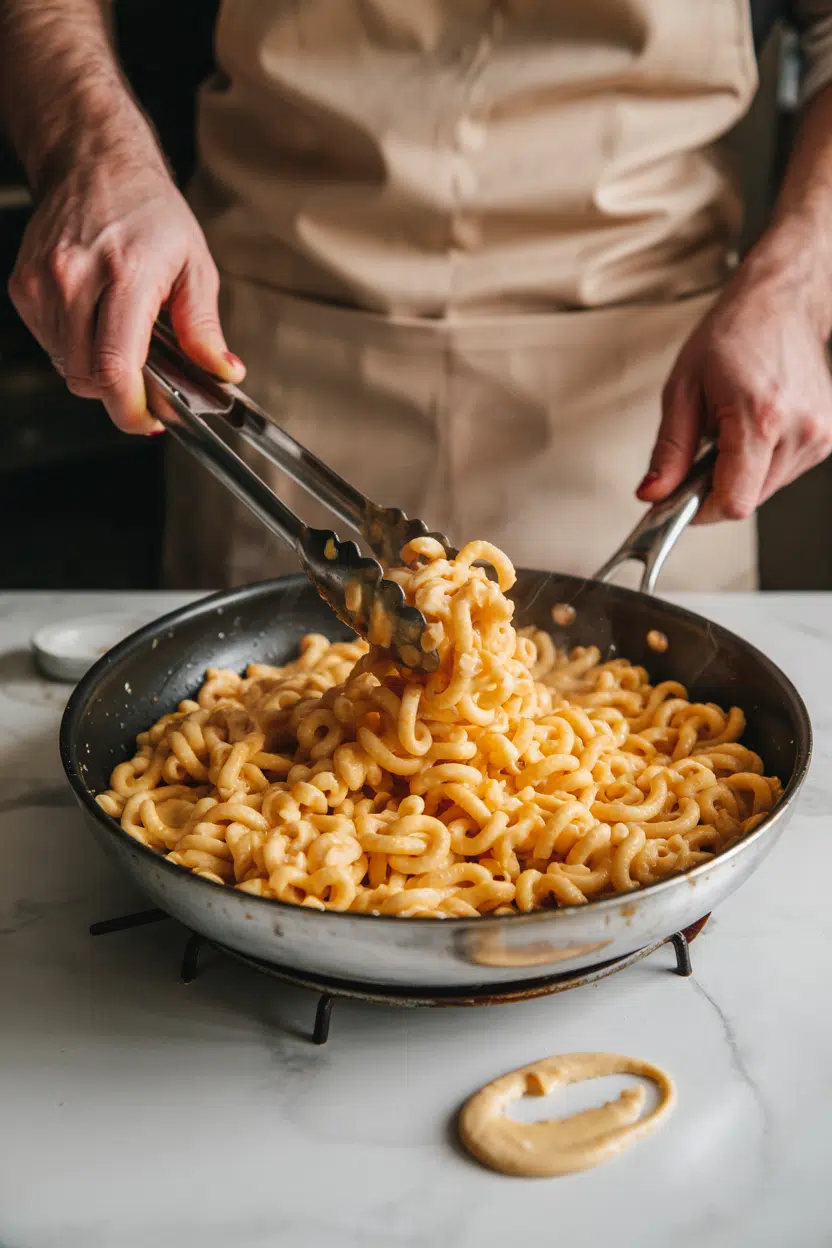
Cavatappi tastes the way most good dried pasta does - mild, faintly wheaty, with a subtle nuttiness from the durum semolina that becomes slightly more pronounced as it cooks. It's a neutral base, not a flavor in itself.
The texture is where it earns its reputation. Cooked al dente, the exterior has a slight chew from the ridges while the interior stays springy and light.
Overcook it and that contrast collapses into uniformity - edible, but you lose what makes the shape worth choosing.
Compared to rotini or penne, cavatappi delivers more sauce per bite - not because it tastes different, but because more surface area means more sauce reaches your palate in every forkful.
Whole-wheat cavatappi shifts the flavor noticeably, adding a nuttier, earthier base that works well with robust ragùs but can feel heavy against light pesto.
How to Use cavatappi pasta
Cavatappi handles three cooking methods particularly well, and each one plays to a different structural advantage.
| Method | Best For | Tip |
|---|---|---|
| 🍳 Boiled + Sauced | Creamy or chunky sauces, ragù, vodka sauce | Pull from water 1 minute early if baking after |
| 🥘 Baked | Mac and cheese, casseroles, gratins | Undercook by 2 minutes before baking to avoid mush |
| 🥗 Cold/Salad | Pasta salads with vinaigrette and vegetables | Rinse with cold water after draining to stop cooking |
For baked mac and cheese, cavatappi is the shape most restaurant versions use because the hollow spiral holds the cheddar sauce inside and outside the pasta simultaneously.
A creamy cheddar-fontina blend coats it better than it would coat penne or elbows.
You can follow a mac and cheese recipe built specifically for the shape if you want the ratio of sauce to pasta dialed in.
Pesto clings to the ridges and spiral grooves, trapping basil, pine nut, and parmesan bits in a way flat pasta can't replicate - cooking pesto sauce perfectly matters here because an overly oily pesto slides off even ridged pasta.
Avoid thin, brothy sauces. There's nothing for the shape to hold - the sauce runs straight through and pools at the bottom of the bowl.
How to Buy and Store cavatappi pasta
Bronze-cut cavatappi is the better buy. The bronze die-cutting process leaves a rougher surface than Teflon-cut pasta, which means more texture for sauces to grip. Look for it labeled as "trafilata al bronzo." Avoid boxes where the pasta looks powdery white at the ends - that residue signals age or humidity damage.
For whole-wheat or gluten-free cavatappi, check the ingredient label carefully. Whole-wheat versions use whole durum semolina and cook slightly differently; gluten-free blends vary between rice, corn, and quinoa bases, each with a different texture and cooking time.
Store an opened box by transferring the pasta to an airtight container - humidity and pantry pests are the main threats. Much like wheat's shelf life, dry durum pasta holds well when kept away from moisture and heat.
Check cavatappi pasta spoilage signs if you're unsure whether an older box is still usable.
- Unopened - 12-24 months in a cool, dry pantry
- Opened, airtight - 12-18 months if kept dry
- Cooked - 3-5 days refrigerated in a sealed container
Start Here for the Best Results
If you're buying cavatappi for the first time, go bronze-cut and use it in a baked dish - that's where the shape shows its full advantage.
The hollow spiral holds sauce through both the boiling and baking stages, and you'll immediately understand why this shape outperforms elbows in mac and cheese.
Already have a box? Try it cold in a pasta salad first. It's the fastest test of how the ridges and spiral trap vinaigrette and chunky vegetables without a sauce overwhelmingly thick.
From there, the shape works for almost any dish that would otherwise call for rotini or penne - with better sauce delivery in every case.
Frequently Asked Questions
Cavatappi has a hollow core that rotini lacks. Both have a spiral shape, but cavatappi traps sauce inside and outside the tube simultaneously. Rotini holds sauce only on its exterior grooves.
Yes - cellentani is Barilla's brand name for the same shape. The shape, dimensions, and cooking behavior are identical. Use them interchangeably in any recipe.
Most brands cook to al dente in 9-11 minutes in well-salted boiling water. Start tasting at 8 minutes - the pasta should have a slight resistance at the center when bitten through.
Yes, for most sauces. Cavatappi adds a spiral channel and ridged exterior to penne's hollow tube, giving sauce three surfaces to cling to instead of one. The advantage is most noticeable with chunky or creamy sauces.
It's one of the best shapes for it. The hollow spiral pulls cheese sauce inside and holds it on the ridged exterior, giving you more sauce per bite than elbows or penne deliver.



