
Most people assume farina is just a fancy name for any hot cereal, but it's actually a specific milled product - the refined endosperm of wheat, ground to fine granules that cook into a smooth, creamy porridge.

Unlike replacements for wheat bran or replacements for cornmeal, farina is a deliberately mild, starch-forward grain product with its own distinct cooking behavior.
It thickens fast, holds a silky texture when handled correctly, and works in far more dishes than most cooks expect.
Farina is finely milled wheat endosperm cooked into a smooth porridge. It has a mild, slightly wheaty flavor that takes on sweetness or savoriness easily. Use it for hot breakfast cereal, puddings, and as a binder in meatballs or a light coating for pan-frying.
What Is farina?
Farina comes from the milled inner endosperm of common wheat (Triticum aestivum), sifted to remove most of the bran and germ, leaving fine, pale granules.
Remember it later
Planning to try this recipe soon? Save it for a quick find later!
The name itself is Italian for "flour," though in the American market it refers specifically to this hot cereal product sold under brands like Cream of Wheat.
It sits in a different category from oatmeal's flavor and uses - farina is wheat-derived and gelatinizes differently, producing a denser, smoother consistency than rolled oats.
Semolina is a close relative, milled from durum wheat rather than common wheat, and typically coarser in grind.
Whole-grain farina exists and carries more fiber, though it's less widely stocked than the standard enriched variety.
You'll see it labeled several ways in stores:
- 🌾 Farina - the generic term used in European and specialty markets
- 🥣 Cream of Wheat - the dominant American brand name, now used interchangeably
- 🌱 Whole wheat farina - includes the bran layer, higher in fiber
- ✨ Enriched farina - standard product with added iron and B vitamins
What Does farina Taste Like?
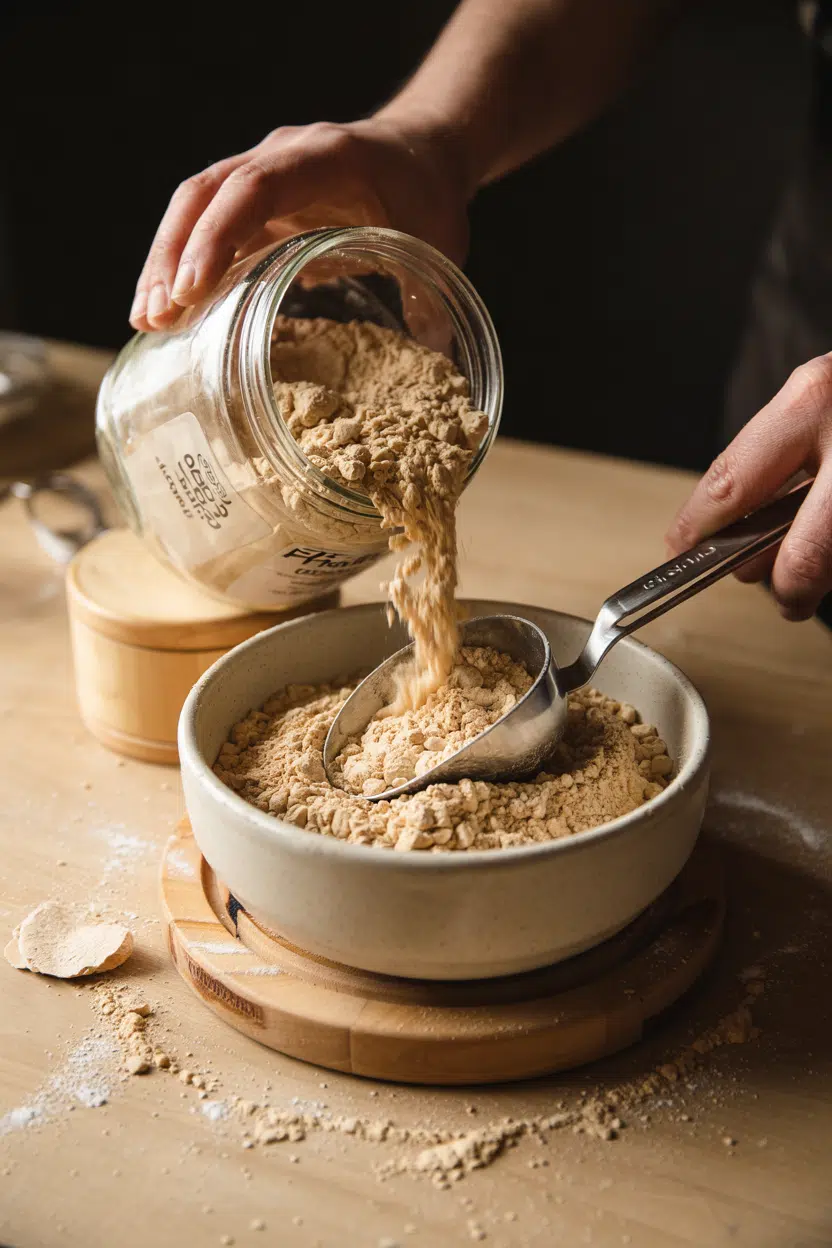
Raw farina tastes of almost nothing - a faint, dry wheaty note and little else. Cooking changes that picture considerably.
As the granules hydrate and starches gelatinize, a mild sweetness emerges alongside a clean, warm grain flavor. It's softer and less assertive than semolina porridge, and much more neutral than corn grits.
Toasting farina in a dry pan before adding liquid, similar to how you'd treat a roux, pushes the flavor toward something nuttier and more complex.
The texture is where farina earns its reputation. Properly cooked, it's silky and almost custardy - the starch gelatinization process, explored in detail alongside gelatin and its flavor, explains why liquid ratio and heat control matter so much here.
Undercooked farina has a gritty, slightly pasty quality that puts people off permanently if that's their first experience.
How to Use farina
Farina's neutral base makes it genuinely useful across both sweet and savory cooking. American kitchens reach for it most at breakfast, cooked with milk or water until thick, then finished with butter, maple syrup, or cinnamon.
Eastern European cooks stir it into soups and stews as a thickener, producing a smoother, wheat-thickened body without the cloudiness of cornstarch.
Beyond porridge, it functions as a binder in meatballs and meatloaf, absorbing moisture and holding structure the way breadcrumbs do - sometimes better, since the fine grind distributes more evenly.
Lightly coating fish fillets or sliced vegetables in dry farina before pan-frying gives a thin, crisp crust similar to what semolina delivers, though farina browns more quickly due to its finer particle size.
If you're out of it, farina swaps that work include semolina and fine cornmeal for most of these applications.
| Method | Best For | Tip |
|---|---|---|
| 🥣 Simmered | Hot porridge, savory grain bowls | Use 4:1 liquid-to-farina ratio; whisk constantly |
| 🍳 Toasted then simmered | Nuttier porridge, deeper flavor base | Toast dry in pan 2-3 min until fragrant before adding liquid |
| 🫙 Baked | Sweet puddings, casseroles | Allow extra bake time - farina thickens further as it cools |
| 🧆 As binder | Meatballs, meatloaf, patties | Use 2-3 tablespoons per pound of meat in place of breadcrumbs |
| 🐟 Light coating | Pan-fried fish, vegetables | Season the farina before coating; fry on medium-high heat |
Pair it with broth and cheese for a savory grits-style bowl, or with berries and brown sugar for a classic sweet finish. Cinnamon, nutmeg, vanilla, and banana all work well in sweet preparations.
How to Buy and Store farina
Look for packages labeled "farina" or "Cream of Wheat" with pale, uniform granules and no visible clumping inside the bag. Whole-grain farina is sold as "whole wheat farina" or marked "100% whole grain" -
check expiry dates carefully, since the retained germ makes it go rancid faster than the refined version.
Once opened, store farina in an airtight container in a cool, dry pantry - away from the stove or any heat source.
Refrigerating or freezing an opened container extends usability beyond the standard 6-12 month window.
For a full breakdown of dates and signs of spoilage, farina's shelf life covers what to look for.
Unopened, it stays good for up to 24 months.
Start Here
New to farina? Cook it once as a plain porridge with milk and a pinch of salt, so you understand its base texture before building on it.
From there, the savory path - broth, cheese, a fried egg on top - surprises most people who only know the sweet version.
If you want to branch into related grains, alternatives to durum flour and replacements for semolina flour show where farina fits in the broader wheat family. It's a modest ingredient.
Used with intention, it consistently delivers.
Frequently Asked Questions
Farina is milled from the endosperm of common wheat, with most of the bran and germ removed. The result is a fine, pale granule that cooks quickly and thickens into a smooth porridge.
No. Semolina comes from durum wheat and has a coarser grind and more pronounced flavor. Farina uses common wheat and is finer and milder - they behave similarly in porridge but aren't interchangeable in all recipes.
No - farina contains gluten and is not safe for people with celiac disease or wheat allergy. Rice-based hot cereals or certified gluten-free oat porridge are the standard replacements.
Yes, in specific applications. Farina works well in baked puddings and casseroles, where it thickens as it cooks and firms further on cooling. It doesn't replace flour in standard bread or cake recipes.
Lumps form when dry granules hit hot liquid without immediate stirring - the outer starch gelatinizes and seals clusters before they hydrate fully. Whisking from the moment you add farina to the liquid prevents this entirely.



