
Semolina flour has a smell that tells you something before you've cooked a single thing - a warm, wheaty note that sharpens the moment it hits a hot pan.
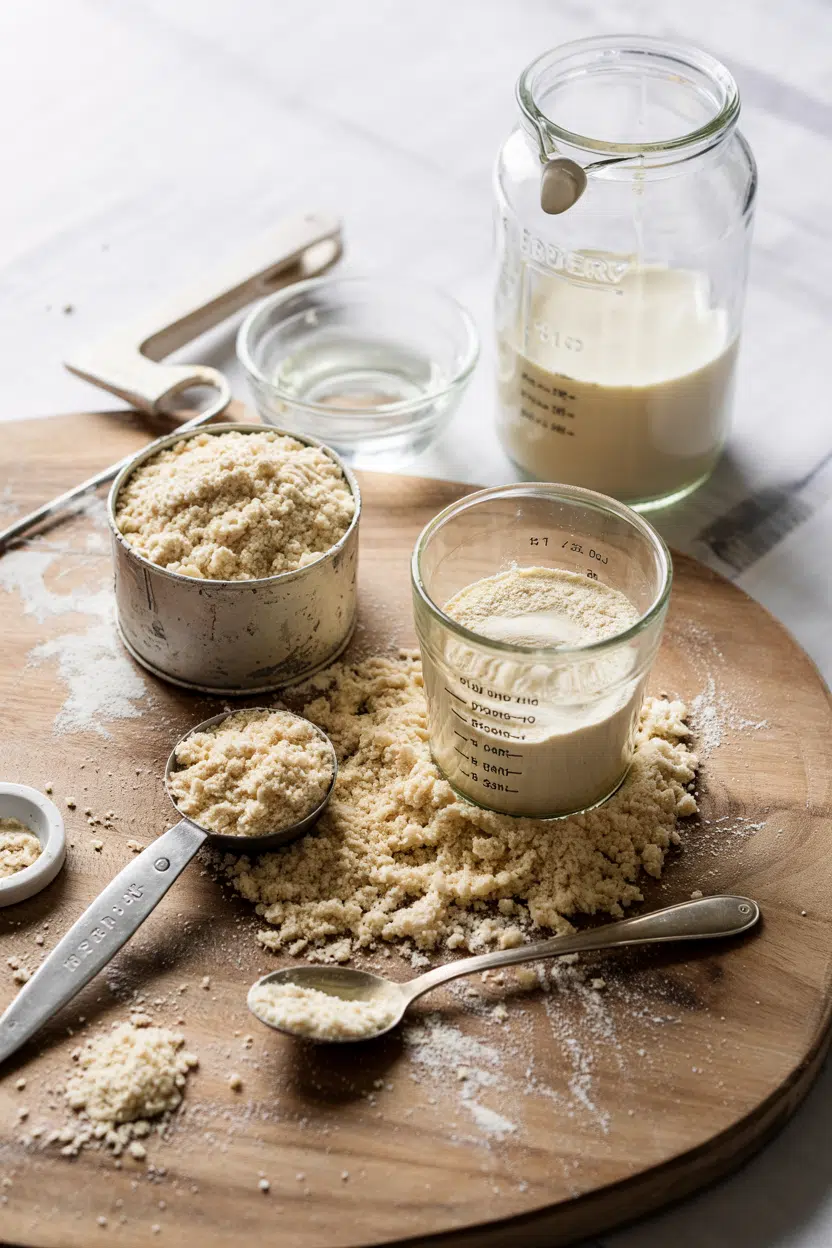
It's coarser than almost any flour you'll handle, pale yellow, and slightly gritty between your fingers.
Durum wheat, the grain behind it, is built differently from common wheat varieties, and that difference shows up in every dish where semolina appears.
Like wheat's shelf life, semolina's longevity depends on how well you protect it from heat and moisture - but its flavor at its best is worth the effort.
Semolina flour is a coarse, pale-yellow durum wheat flour with a mild nutty, sweet-cereal flavor. It builds firm pasta, adds crunch to baked bases, and sets into creamy puddings. High in protein, it's a key flour across Italian, North African, and Middle Eastern kitchens.
What Is semolina flour?
Semolina flour is the coarsely milled endosperm of durum wheat, a hard, amber-colored grain grown widely across the Mediterranean and North Africa.
Remember it later
Planning to try this recipe soon? Save it for a quick find later!
Unlike softer wheat flours, durum is exceptionally high in protein and produces granules rather than a fine powder when milled at coarse settings.
You'll find it sold under several names: durum semolina, semolina wheat, and semoule in French markets.
In the United States, some packages are labeled "farina" - which can cause confusion, since farina typically refers to a finer-milled cereal made from softer wheat, not durum.
Two main forms exist in most markets:
- 🌾 Coarse semolina - the standard grade; gritty, pale yellow, used for pasta dough, couscous, and dusting
- 🌾 Fine semolina (semolina flour) - finer ground, closer to bread flour in feel, better suited to cakes and puddings
Durum semolina has a naturally higher gluten-forming protein content than all-purpose flour, which is why pasta made with it holds its shape and bite.
If you're ever working without it, knowing your replacements for semolina flour helps you choose the closest structural match for each dish.
What Does semolina flour Taste Like?
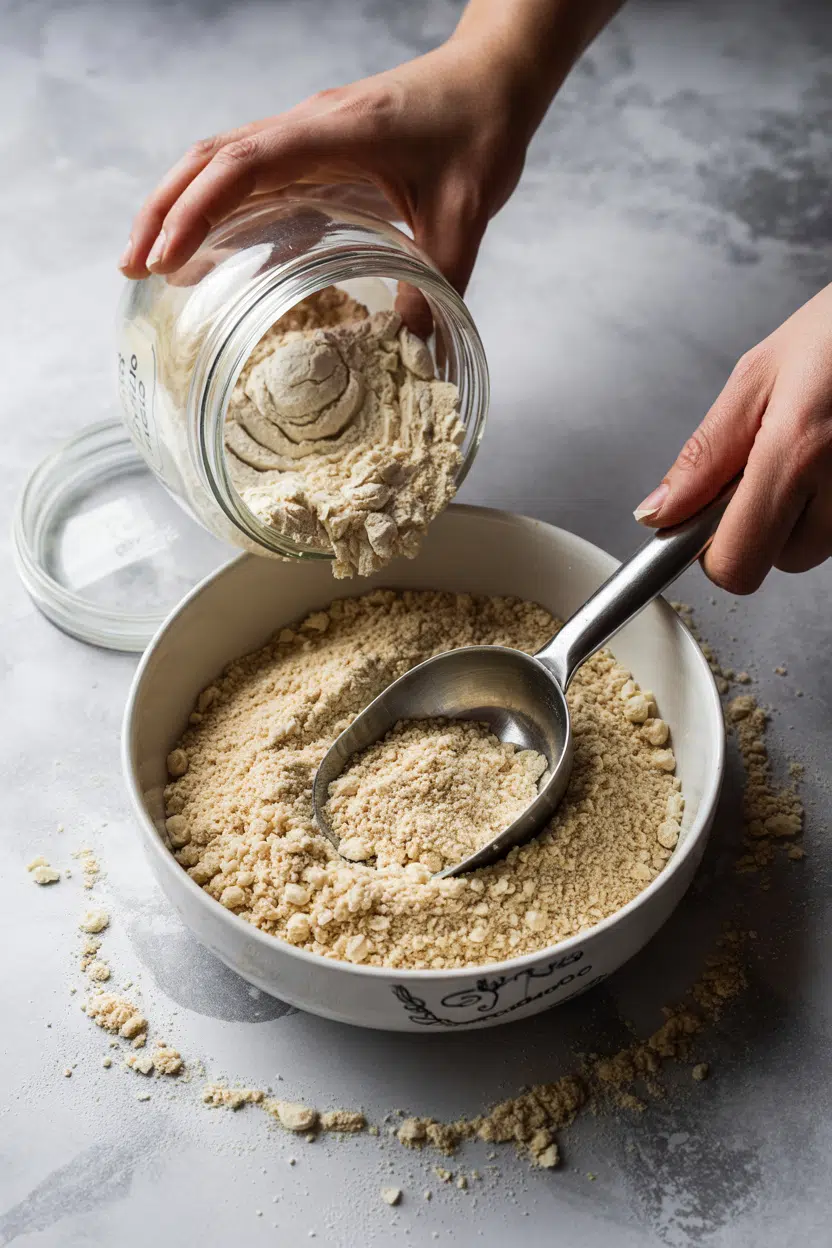
Raw semolina flour tastes mildly sweet with a clean wheat character - slightly grainy on the tongue, almost like coarse cornmeal but with a lighter, less earthy note. There's a subtle corn-like sweetness, though it's distinctly wheaty rather than maize-forward.
Heat changes it. Toasting semolina in a dry pan before adding it to halva or puddings draws out a warm, almost nutty aroma that deepens the flavor considerably.
Once cooked into pasta or boiled as a porridge, the graininess softens into a firm, slightly chewy texture with residual sweetness. Compared to all-purpose flour, semolina has far more character - it contributes flavor, not just structure.
How to Use semolina flour
Pasta dough is semolina's most recognized role. A dough made with durum semolina and water produces the firm, springy bite of dried Italian pasta - distinct from softer egg-pasta made with 00 flour. The high protein content resists overcooking and holds sauce without going mushy.
Beyond pasta, semolina's coarse grains make it a practical dusting flour - scatter it under pizza dough or bread before baking and it acts like ball bearings, preventing sticking and adding a slightly crunchy bottom.
Semolina plays a similar role in pizza in grain dishes, where that textured crust base is part of the appeal.
Cooked long and slow with milk or water, fine semolina becomes a porridge with a naturally creamy set - closer to a smooth polenta than a gruel.
If you're curious how semolina fits alongside corn-based options, the guide to alternatives to polenta covers the comparison in detail.
| Method | Best For | Tip |
|---|---|---|
| 🥗 Dusting | Pizza bases, bread loaves, pasta boards | Use coarse semolina only - fine semolina absorbs too quickly |
| 🍳 Boiling | Porridge, gnocchi alla romana, puddings | Whisk constantly at first to prevent lumps forming |
| 🥖 Baking | Semolina cake, rustic hearth breads | Blend with all-purpose or bread flour for lighter crumb |
| 🍳 Coating/Searing | Breading fish, crusting vegetables | Its coarse grind holds fat and crisps faster than fine flour |
| 🥘 Toasting | Halva, spiced puddings, warm grain bowls | Toast in a dry pan over medium heat until golden and fragrant |
For sweets, semolina is central to a halva middle eastern sweet recipe - toasted in butter or ghee until golden, then pulled off heat before adding syrup.
It pairs naturally with warm spices, butter or ghee, and sugar-syrup bases across Middle Eastern, North African, and Indian kitchens. Semolina also suits eggs (for pasta), olive oil, pecorino, ricotta, and roasted vegetables.
How to Buy and Store semolina flour
At the store, look for packages labeled "semolina" or "durum semolina" with pale-yellow, coarse granules.
Avoid anything gray, powdery fine, or labeled simply "farina" without a durum wheat specification - that's likely a different product with softer wheat and less protein.
Check the best-by or production date. Fresh semolina has a noticeably brighter yellow color and warmer aroma than older stock.
For storage at home, a sealed airtight container in a cool, dark pantry covers most cooks for up to a year. Detailed guidance on how long semolina flour keeps covers fridge and freezer timelines if you buy in bulk.
Semolina contains natural wheat oils that go rancid over time, so refrigerating or freezing extends life to 12-18 months without flavor loss.
Anyone managing multiple grain flours should also read up on about is rye bread gluten free to understand how gluten-containing grains differ in handling needs.
Where Semolina Flour Earns Its Place
Semolina isn't a flour you reach for on instinct - it's one you choose deliberately. Start with dusting your next pizza or bread loaf if you're new to it: minimal commitment, immediate payoff in texture.
From there, pasta dough is the logical next step.
Coarse semolina with water, kneaded firm, rested, and rolled - it's the structure behind every good dried pasta shape.
If you want to compare it directly with softer flours before committing, a look at cooking all purpose flour perfectly shows exactly where each flour excels.
Semolina's place is wherever structure, bite, and a clean wheat flavor matter most.
Frequently Asked Questions
No. Semolina comes from durum wheat and mills to a coarser, higher-protein grain than all-purpose flour. The two behave very differently in doughs - semolina builds firmer, chewier structure, while all-purpose produces softer, more tender results.
Yes - coarse semolina and water is the traditional formula for dried pasta shapes like orecchiette and busiate. The dough is stiffer and less elastic than egg pasta, so it needs longer kneading and a rest period before rolling.
Both are coarse-ground with a mild sweetness, but semolina tastes cleaner and more neutral - distinctly wheat rather than corn. Cornmeal carries a more pronounced earthy, vegetal sweetness; semolina's flavor is subtler and nuttier when toasted.
Yes, relative to most wheat flours. Durum semolina typically contains around 12-13% protein by weight, compared to 10-11% in standard all-purpose flour. That extra protein is what gives semolina pasta its firm bite and resistance to overcooking.
Fine semolina works well in dense, syrup-soaked cakes like basbousa or semolina orange cake, where its grainy texture is part of the structure. For light sponge cakes, it's too heavy on its own - blend with all-purpose flour at no more than 50%.



