
Most cooks assume jaggery is just a rustic stand-in for brown sugar - something to reach for when you can't find the real thing.

That assumption undersells it badly. Jaggery brings molasses depth, a toasted caramel character, and trace minerals that refined sugar processes out entirely - and understanding that distinction changes how you use it.
If you're swapping out molasses or even swapping out brown sugar in a recipe, jaggery is worth knowing on its own terms.
Jaggery is an unrefined cane sweetener from South Asia with a rich, molasses-caramel flavor and toasty finish. It comes as a solid block or paste, melts into sauces and desserts, and keeps for up to a year when stored dry.
What Is Jaggery?
Jaggery is made by boiling freshly pressed sugarcane juice until most of the water evaporates, then pouring the thick concentrate into molds to set.
Remember it later
Planning to try this recipe soon? Save it for a quick find later!
Unlike refined white sugar, no molasses is removed during processing - what you get retains its natural color, minerals, and complexity.
It's sold primarily as firm golden or dark brown blocks, though a soft paste form also exists in some regions.
In India and Pakistan it's widely called gur.
Across South Asia you'll find it in markets under different grades - lighter blocks tend to be younger and milder, while darker ones have spent more time over wood-fired evaporators and carry a smokier, more bitter edge.
Date jaggery is a notable variant, made from date palm sap rather than sugarcane. It's softer, darker, and more perishable - common in Bangladesh and West Bengal. Jaggery also has cousins in Latin America: panela and piloncillo follow similar production logic, though comparing coconut sugar vs brown sugar options illustrates how differently these unrefined sweeteners behave in recipes despite their shared caramel character.
What Does Jaggery Taste Like?
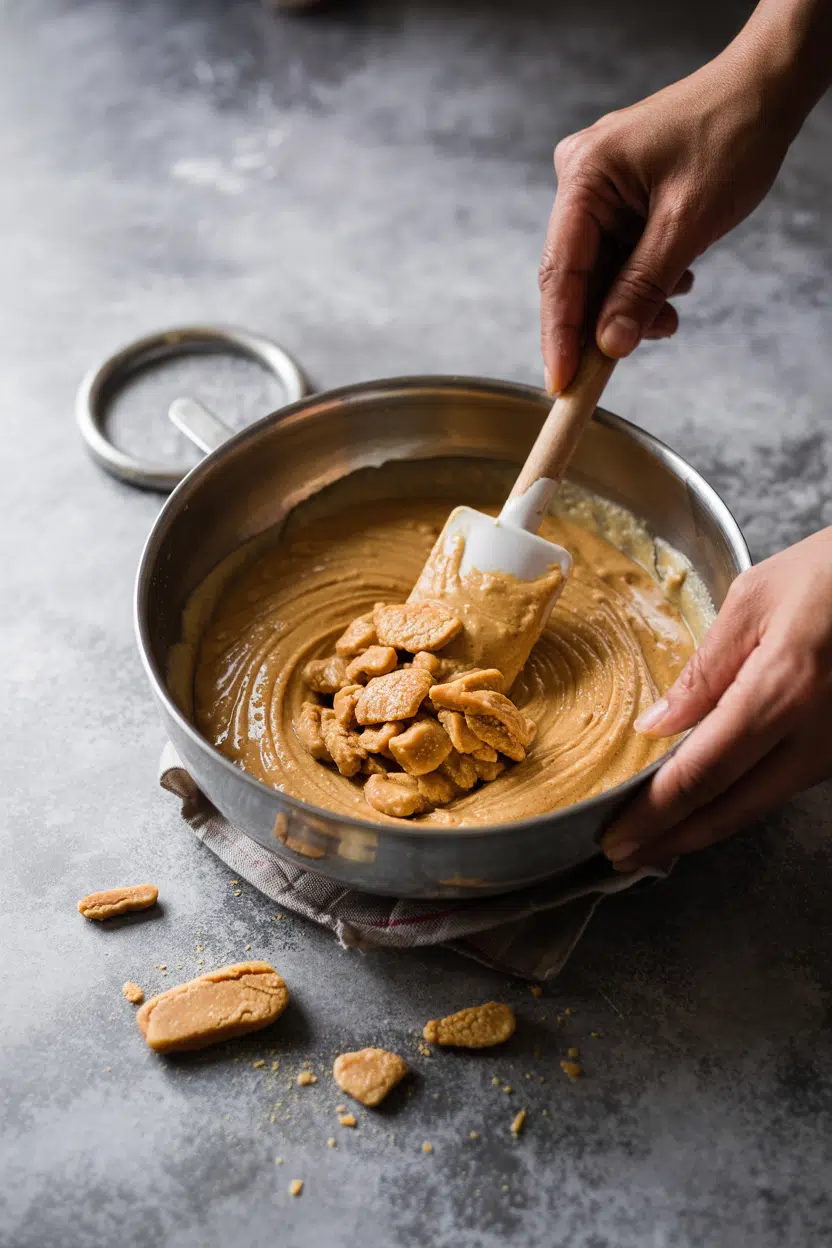
Jaggery doesn't taste like raw sugar. It has a layered sweetness - the first note is cooked caramel, warm and slightly toasty, followed quickly by a molasses-like tang that adds complexity without tipping into bitterness.
Most solid cane jaggery lands somewhere between dark brown sugar and a light unsulphured molasses, but with a smokier depth that neither quite matches.
Heat changes how jaggery reads. Melted into a dal or simmered into a syrup, the bitter edge softens and the caramel note expands - it becomes rounder and more background.
Date jaggery runs darker and more mineral throughout, with less of the bright caramel and more of an earthy, almost fudge-like finish.
How to Use Jaggery
In Indian cooking, jaggery earns its place in savory dishes as much as sweet ones.
A small piece melted into a tamarind dal balances the acid and adds body without making the dish taste like dessert.
South Indian cooks stir it into sambars and chutneys for exactly that reason - it rounds hard edges that tamarind or dried chilies can leave behind.
For sweets, chikki (a peanut brittle made with jaggery syrup) and jaggery halwa show how well it pairs with ghee, cardamom, and coconut.
In chai, a broken piece replaces refined sugar and gives each cup a warmer, more complex sweetness.
It also works grated into fermented batters - idli and dosa batter benefits from the added color and slight browning it encourages during cooking.
In baking, jaggery substitutes for brown sugar where moisture and a darker crumb are acceptable.
The alternatives to jaggery include muscovado and dark brown sugar, though neither brings the same cooked-cane depth.
Avoid it in meringues or any recipe where precise sugar structure matters - its molasses content disrupts those processes.
For glazes, melt jaggery slowly with butter or ghee, add ginger or chilies, and you have a glaze that works across roasted vegetables and grilled meats alike.
| Method | Best For | Tip |
|---|---|---|
| 🔥 Melted | Dals, chutneys, chai, syrups | Use low heat and stir constantly to avoid scorching |
| 🍯 Simmered | Glazes, toffee, chikki brittle | Test syrup stage by dropping into cold water |
| 🥣 Grated or crumbled | Batters, baked goods, desserts | Grate from a cold block for cleaner shreds |
| 🫖 Slow infusion | Chai, tonics, decoctions | Add whole chunk to simmering liquid, remove before serving |
How to Buy and Store Jaggery
At a South Asian grocery, you'll find jaggery in a few forms - look for dense, uniformly colored blocks with a slight earthy sheen. Deep golden blocks are standard cane jaggery; darker, softer blocks signal date jaggery.
Avoid anything crumbly with a powdery white surface bloom or any off-smell - both indicate moisture damage or age.
Store solid jaggery in an airtight container in a cool, dry spot. In humid kitchens, move it to a sealed jar in the refrigerator to prevent sticky clumping. For a detailed breakdown of how conditions affect longevity, jaggery's shelf life covers the full picture by form and storage method. Solid cane jaggery keeps well for 6-12 months; date jaggery should be used within 3-6 months.
Where to Start With Jaggery
If you've never cooked with jaggery before, start with chai or a dal - both are forgiving and let the flavor land clearly without risk of waste.
One small chunk in your next pot of lentils will show you what refined sugar can't do in that context.
- 🪨 Solid block jaggery - best first buy; stable, widely available, works in most recipes
- 🌴 Date jaggery - try once you want a darker, more mineral flavor for desserts or tonics
- 🫙 Jaggery powder - convenient for baking swaps, though flavor is slightly milder than block form
Cooks who enjoy unrefined sweeteners like maple syrup swaps that work will find jaggery fits a similar role - character-forward, not neutral. Use it where the sweetener's own flavor is part of the dish, not background noise.
Frequently Asked Questions
Marginally, in one respect: jaggery retains trace iron, calcium, and potassium that refining removes. However, it's still predominantly sucrose and glucose - calorie for calorie, it behaves like sugar in the body.
No - not freely. Jaggery has a glycemic index close to white sugar and raises blood glucose similarly. Its unrefined status doesn't make it a safe substitute for people managing blood sugar.
Use roughly ¾ cup of grated or packed jaggery for every 1 cup of white sugar, then reduce added liquids slightly - jaggery holds more moisture. Expect a darker color and stronger flavor in the finished dish.
Both are unrefined cane sugars, but panela (and piloncillo) comes from Latin American production traditions and typically has a milder, cleaner sweetness. Jaggery from South Asia often carries more molasses depth and a slightly smokier character from wood-fired processing.
Add grated or broken jaggery to a pan over low heat with a splash of water. Stir continuously - it melts within two to three minutes. Remove from heat as soon as it's fully liquid.



