
Filé powder does something no other spice in the Southern pantry can do - it thickens and seasons at the same time.
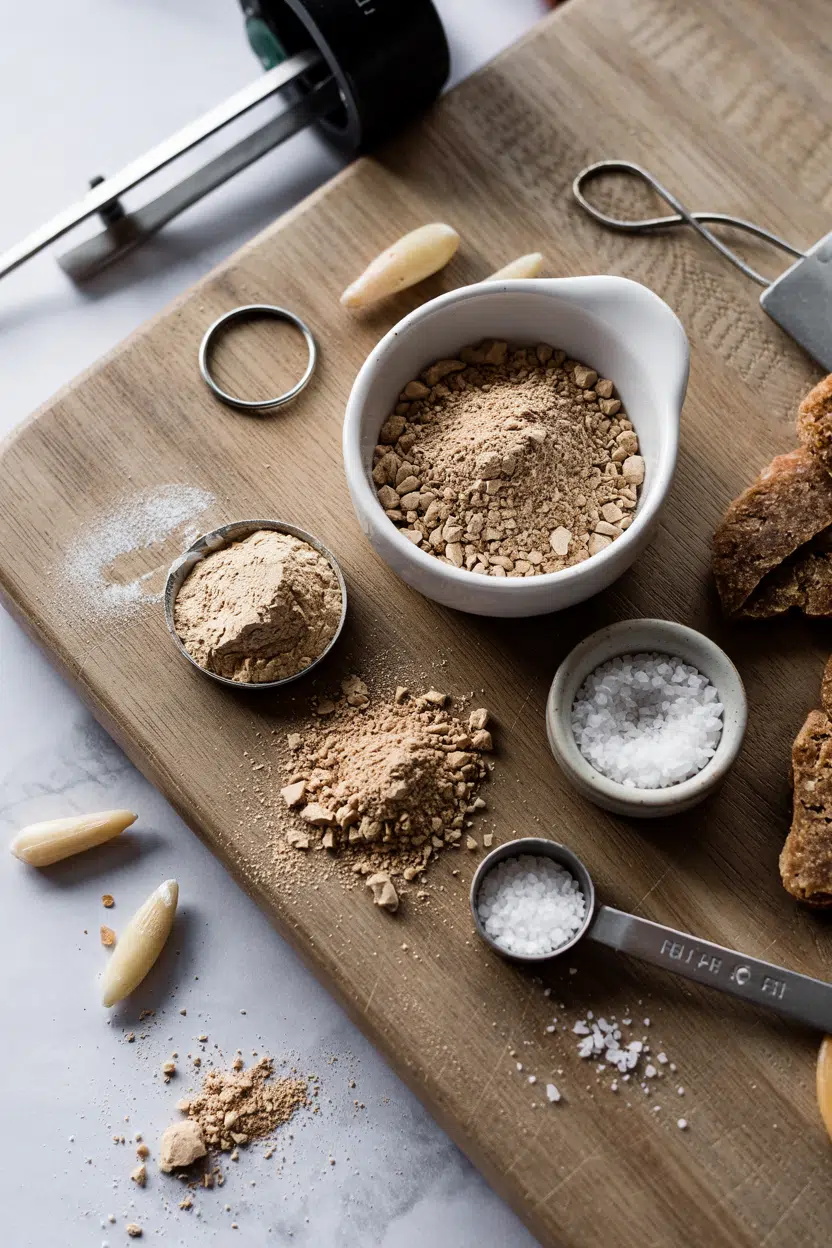
Added off heat, it pulls a bowl of gumbo from thin broth to something with body and depth, while leaving behind a quiet, herbal finish that defines the dish.
It pairs alongside bold ingredients like andouille sausage - and if you're curious how the taste of andouille sausage sits against filé's more restrained earthiness, the contrast is what makes gumbo work.
Filé powder is a dried sassafras leaf seasoning from Gulf Coast Creole and Cajun cooking. It thickens off heat and adds an earthy, mildly herbal finish to gumbo and stews. Use it sparingly - a little goes far.
What Is Filé Powder?
Filé powder is made from dried, ground sassafras leaves - not the root or bark, just the leaves - harvested and ground into a fine, olive-green powder.
Remember it later
Planning to try this recipe soon? Save it for a quick find later!
It originates from Gulf Coast foodways, where the Choctaw people used ground sassafras as a seasoning and thickener long before European settlement.
Creole and Cajun cooks later adopted it as a staple of Louisiana cooking, and gumbo became its most famous home.
The powder goes by several names: filé, gumbo filé, or simply ground sassafras. It falls into its own category as a leaf-based seasoning that doubles as a cold-water thickener - meaning it binds liquid without heat, unlike cornstarch or roux.
Unlike most spice-rack staples, filé has no close equivalent in other cuisines. It occupies a narrow but irreplaceable role in Creole and Cajun cooking specifically.
What Does Filé Powder Taste Like?
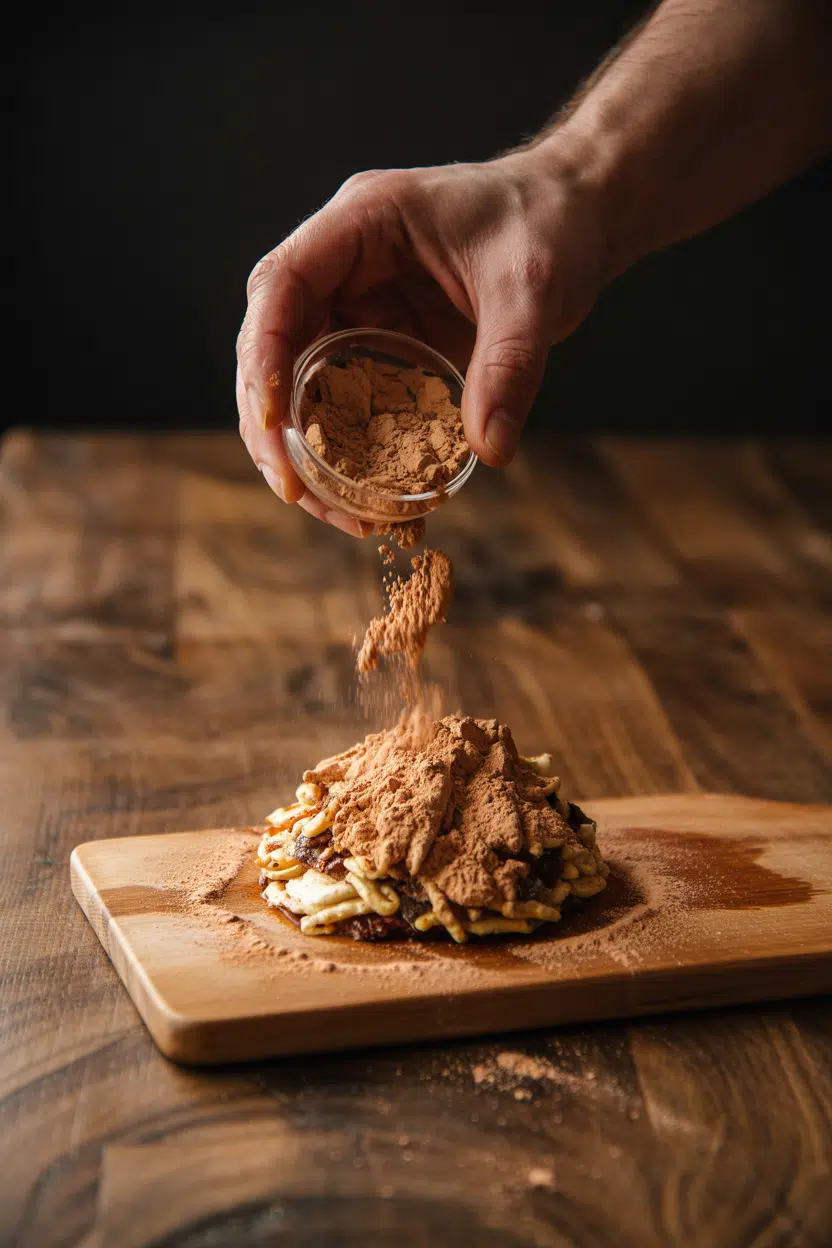
The closest shorthand: dried bay leaf crossed with mild lemony pine. It's earthy and slightly sweet-tannic, with a green-woody note and a faint citrusy-resinous edge that reads herbal without being sharp.
Nothing about it resembles thyme, oregano, or any Mediterranean herb.
Heat changes it. Simmered too long, filé loses its herbal brightness and can turn bitter or develop a faint rope-like texture in the liquid. Added off heat, the flavor integrates quietly - present but not dominant.
That restraint is the point.
How to Use Filé Powder
Filé belongs at the end of cooking, not the beginning. The standard approach in gumbo is to pull the pot off heat, let it stop boiling, then stir in filé powder just before serving.
It thickens the broth softly and adds a low herbal note that sits under the louder flavors of andouille, shrimp, or chicken.
| Method | Best For | Tip |
|---|---|---|
| 🍲 Off-Heat Finish | Gumbo, bean stews, okra-based dishes | Stir in after removing from heat; never let it boil |
| 🧂 Dry Rub Blend | Smoked meats, Gulf-style BBQ | Use sparingly - strong in concentrated spice blends |
| ✨ Table Seasoning | Individual bowls of gumbo or stew | Let each person add their own at the table |
| 🧈 Compound Butter | Southern-style finishing butter for seafood or grains | Mix into softened butter with herbs for a mild earthy note |
Okra and filé are both traditional gumbo thickeners, though most recipes choose one or the other - using both can make the texture overly thick. When okra is in the pot, filé plays a lighter seasoning role rather than a structural one.
In dry rubs, filé works in small quantities alongside smoked paprika and black pepper for Gulf-style smoked meats. The piney-citrus note reads as background complexity, not a standalone flavor.
For file powder stand-ins when your jar runs out, the options are limited - nothing replicates both functions at once.
How to Buy and Store Filé Powder
Look for powder that is uniformly olive-to-dull-green and finely milled. Gray or brownish filé has aged past its peak - the aroma fades first, then the flavor goes flat.
Clumping with a musty smell means moisture has gotten in. Skip it.
- 🫙 Container: Airtight glass jar, kept away from strong-smelling spices that it can absorb
- 📍 Location: Cool, dark pantry - not near the stove or in direct light
- 📅 Peak window: 6-12 months after opening for best aroma and flavor
- ⏳ Usable limit: Up to 18 months if sealed and kept dry
Filé doesn't freeze well as a standard practice - the powder can absorb moisture during thaw - though freezing file powder in vacuum-sealed conditions is possible if you're storing bulk quantities long-term.
Start With Gumbo
If you've never used filé before, gumbo is the right entry point.
Add half a teaspoon per serving to your finished bowl, stir once, and taste before adding more.
The herbal note should be subtle - a background layer, not the lead.
Filé alongside okra and a southern fried okra recipe shows how sassafras-family flavors fit the broader Southern flavor palette.
Once you understand its restraint, the other uses - dry rubs, compound butters, bean stews - make immediate sense.
Frequently Asked Questions
Dried, ground sassafras leaves. The leaves are harvested separately from the root - root oil contains safrole, but leaf-derived filé powder is safe for culinary use at normal spice quantities.
After the heat is off. Adding filé while the pot is still simmering causes it to turn stringy and can make the broth taste bitter. Stir it in just before serving.
Start with half a teaspoon per serving and adjust from there. Using too much produces an overly thick, slightly bitter result - filé is easier to add than to correct.
No single substitute replicates both the thickening and flavor roles. Okra thickens but doesn't add filé's herbal note; dried bay leaf adds a similar earthiness but won't thicken liquid at all.
Yes. Pure filé powder contains only ground sassafras leaves and is naturally gluten-free. Check blended spice mixes that include filé, as those may contain other ingredients.



