
Licor 43 does something few other sweet liqueurs manage: it adds vanilla and citrus warmth to a drink or dessert without flattening everything else in the glass.
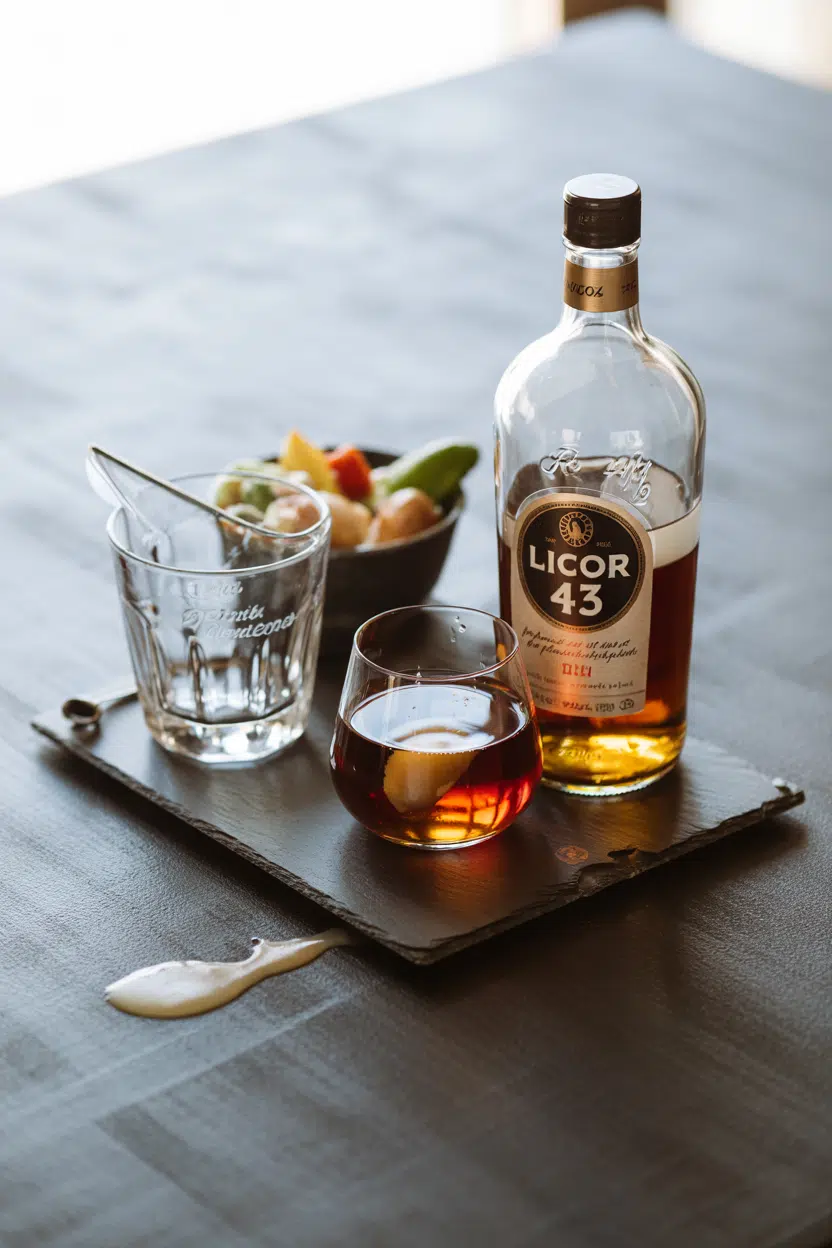
Bartenders reach for it when a cocktail needs body and a hint of spice that alternatives to grand marnier or replacements for amaretto can't quite replicate.
It's the bottle that earns its shelf space quickly.
Licor 43 is a Spanish sweet liqueur from Cartagena, built on a secret blend of 43 botanicals. Its flavor centers on vanilla, orange peel, and warm spice. Use it in cocktails, stir it into espresso, or drizzle it over ice cream. Opened bottles stay at peak for up to 18 months.
What Is Licor 43?
Licor 43 - also sold under its Spanish name Licor Cuarenta y Tres - is a golden amber liqueur produced in Cartagena, in the Murcia region of southeastern Spain.
Remember it later
Planning to try this recipe soon? Save it for a quick find later!
The Zamora Company has made it there since 1946, though the recipe claims roots in ancient Roman-era Cartagena herb and spice traditions.
The name refers to the 43 botanicals and spices in the formula, which remains proprietary.
What's confirmed: vanilla and citrus peel dominate the blend, with supporting layers of dried spices that vary in prominence depending on how the liqueur is served.
At 31% ABV, it sits in the mid-range for liqueurs - stronger than most cordials, lighter than most base spirits.
- 🇪🇸 Category - Sweet herbal liqueur; Spanish in origin, now sold globally
- 🌿 Botanical base - 43 ingredients, with vanilla and citrus as the confirmed anchors
- 🥃 ABV - 31%, making it lower-proof than whisky or rum but fully alcoholic
- 🎨 Appearance - Clear golden amber; natural color from the botanical infusion
What Does Licor 43 Taste Like?
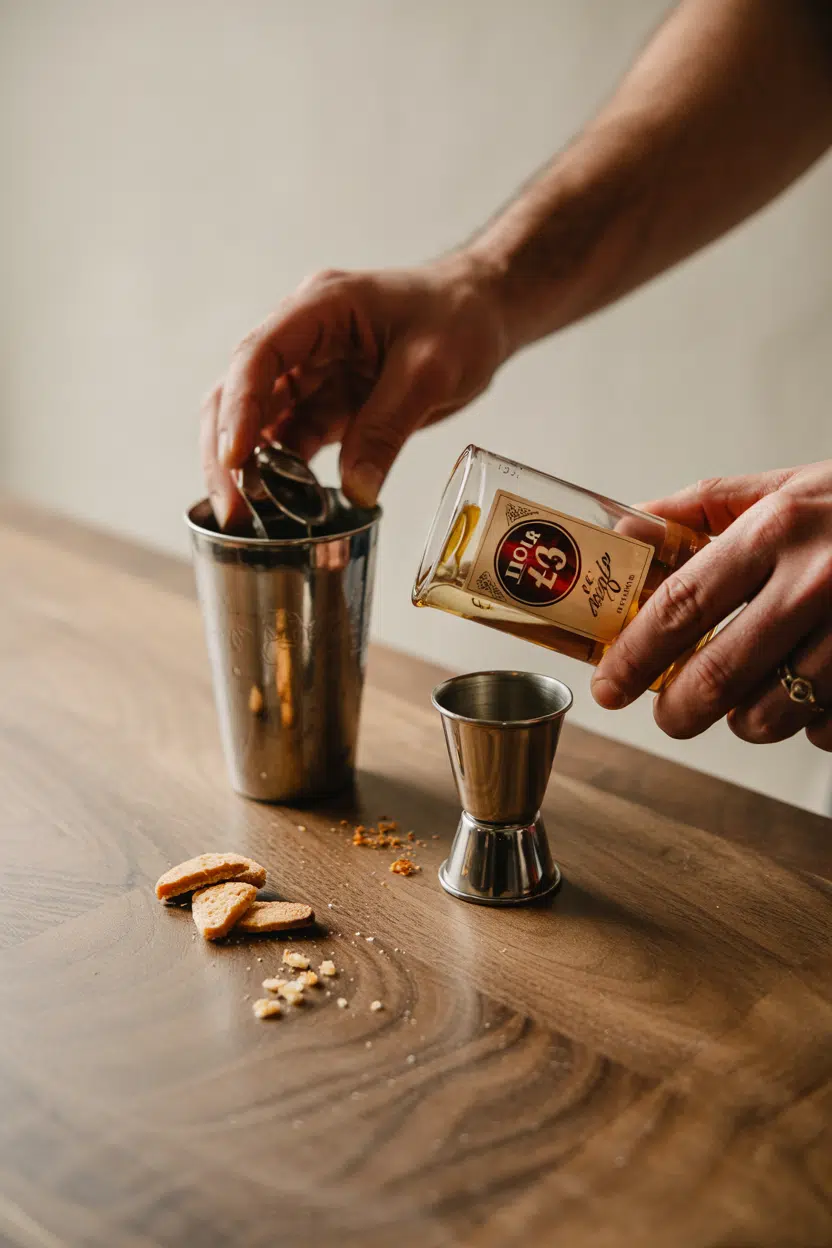
The first thing you notice is sweetness and vanilla - it's unmistakable and forward.
Then the citrus peel steps in, something like orange zest more than fresh juice, with a slight bitterness at the edge that keeps it from tasting flat.
Warming the liqueur - stirred into hot espresso, for example - amplifies the spice layer noticeably. Cinnamon and clove move to the front while the citrus softens.
Chilled or over ice, it leans harder into vanilla and becomes almost dessert-like in sweetness.
It tastes closest to a rum-based vanilla liqueur crossed with an orangey curaçao, but with a lighter, cleaner spice backbone than either.
If you've worked with swapping out creme de cacao in recipes, you'll recognize a similar vanilla-forward sweetness - though Licor 43 brings considerably more citrus brightness.
How to Use Licor 43
Espresso and coffee are the most natural partners. The Carajillo - hot espresso poured over Licor 43 - is the classic Spanish bar order from Cartagena and beyond. The heat opens up the spice notes, and the bitterness of the coffee cuts through the sweetness cleanly.
In cocktails, it works as a sweet vanilla-orange modifier rather than a base spirit.
Pair it with tequila reposado for a quick two-ingredient highball, or shake it with heavy cream for a creamy 43 - a simple, crowd-friendly drink.
When substituting in orange liqueur applications, keep in mind that triple sec stand-ins follow a similar logic: you're balancing sweetness and citrus against the base spirit.
| Method | Best For | Tip |
|---|---|---|
| 🥃 Straight / On Ice | Digestif, simple sipper after dinner | Serve in a small glass; the sweetness is filling in larger pours |
| ☕ Stirred into Hot Liquid | Carajillo, spiked hot chocolate, spiced custard | Add after pulling espresso; don't boil or top flavors fade |
| 🎂 Baked In | Cake batters, sponge soaks, tiramisu layers | Use in place of vanilla extract - reduce added sugar slightly |
| 🍦 Drizzled / Glazed | Vanilla ice cream topping, baked custard glaze | Drizzle cold from the bottle; heat reduces too fast on frozen desserts |
In baking, it replaces vanilla extract with a more complex result - the citrus note lifts spice cakes and custard-based desserts noticeably. Adding it to a sponge soak alongside espresso is a reliable move for tiramisu variations.
Note that it's not suited to savory applications: raw fish and delicate green salads will clash badly with its sweetness.
How to Buy and Store Licor 43
Always buy bottles labeled Licor 43 with Spanish-origin labeling, intact foil seal, and a legible batch code on the base.
The color should be a clear golden amber - avoid any bottle showing cloudiness or visible sediment, which signals improper storage in the supply chain.
Store the bottle upright in a cool, dark pantry - not in the freezer, which can dull the botanical aromatics over time.
Reseal tightly after every use.
If you notice fading aroma or a flat, syrupy sweetness without the citrus lift, check the licor 43 spoilage signs before using it in anything you're serving to guests.
Unopened, it keeps for years; once opened, aim to use it within 6-18 months for peak flavor.
Start Here With Licor 43
If you have the bottle and no plan, pour it over vanilla ice cream first.
That single use - two ingredients, thirty seconds - gives you an accurate read of how its vanilla-citrus-spice profile behaves before you commit it to a cocktail or a cake.
From there, the Carajillo is the next logical step: espresso, Licor 43, done.
When you're ready to branch into substitutions, swapping out licor 43 covers the closest options, and knowing whether to replace swapping out vanilla sugar in a recipe helps when Licor 43 is doing double duty as both sweetener and flavoring.
Frequently Asked Questions
It's firmly sweet. The sugar content is high, and vanilla leads the flavor rather than any dry botanical bitterness. It has no dry finish comparable to an amaro or dry vermouth.
Yes - it's commonly served as a digestif in Spain, either neat at room temperature or over ice. Keep pours small; the sweetness becomes heavy in larger servings.
Licor 43 is 31% ABV. That's lower than most base spirits like whisky or rum, but significantly higher than wine or beer - fully alcoholic in any meaningful amount.
The Carajillo (espresso and Licor 43) is the most recognized. It also appears in creamy cocktails shaken with heavy cream, tequila highballs, and as a vanilla-orange modifier in original builds.
No. The liqueur itself contains no dairy - it's a botanical and spirit-based product. Dairy enters only when a recipe adds cream or milk, as in a creamy 43 cocktail.



