Slathered across a warm heel of bread, melting into every crevice until the surface shines - that moment is butter at its most direct.

It's one of those ingredients that alternatives to olive oil and margarine in dairy recipes both try to replicate, and neither quite lands the same way.
Butter is a churned dairy fat made from cream. It tastes rich, milky, and faintly sweet - and turns toasty and nutty when browned. Use it as a spread, a sauce finisher, or a baking fat. Refrigerate for up to 2 months; freeze for longer.
What Is Butter?
Butter starts as heavy cream - specifically, the high-fat layer skimmed from cow's milk. Churning agitates the cream until the butterfat globules rupture and cluster together, separating from the liquid byproduct we call buttermilk.
Remember it later
Planning to try this recipe soon? Save it for a quick find later!
The result is an emulsion of roughly 80% milkfat, 16-18% water, and a small fraction of milk solids.
Those milk solids are what make butter behave so differently from neutral oils - they carry flavor compounds, brown under heat, and lower the smoke point.
Several distinct varieties are worth knowing before you shop:
- 🧂 Salted butter - table use, spreading; salt also acts as a mild preservative
- 🎂 Unsalted butter - baking standard; lets you control sodium precisely
- 🌿 Cultured butter - cream fermented before churning; tangier and more complex
- 🫙 European-style butter - higher butterfat (82-84%) than American standard; richer and softer
- 🔥 Clarified butter / ghee - milk solids and water removed; higher smoke point, longer shelf life
Understanding what replacements for heavy cream do in recipes helps explain why cream-derived butter performs so uniquely as a fat - the original fat content is everything.
What Does Butter Taste Like?
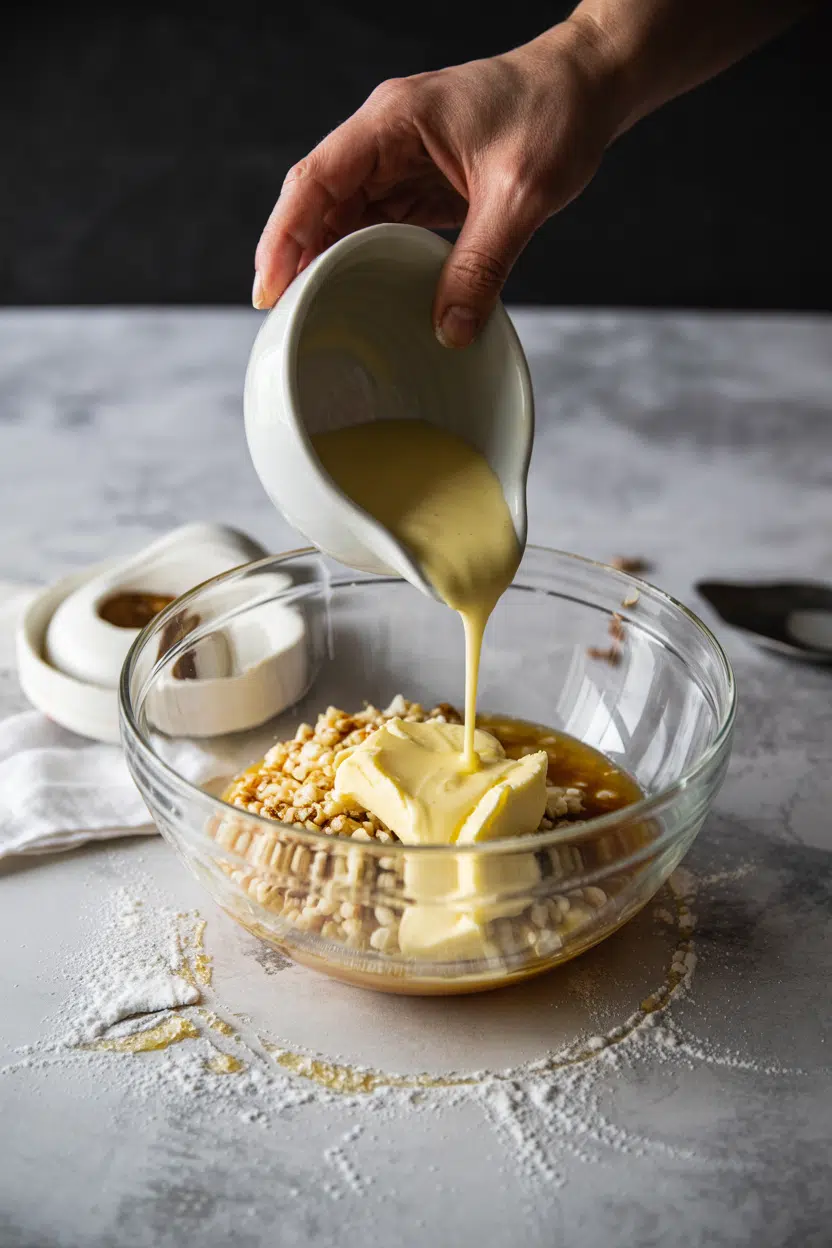
Butter's baseline flavor is rich and milky with a faint background sweetness - closer to concentrated cream than anything else. There's no sharp edge; it rounds flavors rather than asserting itself.
Heat changes everything. Brown butter (beurre noisette) develops a toasty, hazelnut-like profile as the milk solids caramelize - it's the same fat, transformed almost beyond recognition.
Cultured butter carries a mild tang from lactic acid fermentation, while salted butter adds a savory edge that makes it pop as a spread. Cold, firm butter tastes milder; give it time at room temperature and that dairy richness opens up noticeably.
How to Use Butter
Butter covers more ground in the kitchen than almost any other single fat. The key is matching the form of butter to the job.
| Method | Best For | Tip |
|---|---|---|
| 🧈 Spread | Toast, bread, warm vegetables | Use salted at room temp for best flavor |
| 🍳 Sauté | Eggs, tender vegetables, fish | Keep heat low-to-medium to avoid burning |
| 🟤 Brown (beurre noisette) | Pasta, roasted veg, baked goods | Watch closely - it goes from golden to burnt fast |
| 💧 Clarify / Ghee | High-heat frying, Indian-style cooking | Remove milk solids completely for a clean smoke point near 450°F |
| 🥐 Laminate | Croissants, puff pastry | Keep butter cold during folding for distinct, flaky layers |
| 🥄 Mount into sauce | Pan sauces, beurre blanc | Use cold butter cut into cubes; whisk in off high heat |
French cooking depends on butter at nearly every stage - from the initial sauté fat to the final mounting of pan sauces.
American baking relies heavily on unsalted butter for cookies, cakes, and pie crusts where fat distribution controls crumb texture.
Compound butters blended with garlic, lemon, or fresh herbs melt over grilled steaks and fish to finish the plate. Folded into mashed potatoes, cold cubes of butter emulsify into the starch for a silky result that oils won't match.
If a recipe needs a swap, knowing which butter swaps that work in dairy-heavy dishes saves the result - though the milk-solid flavor will be missing.
How to Buy and Store Butter
At the store, check the wrapper before anything else. Even pale-yellow color, no streaks, and a clean dairy smell are the baseline markers of fresh butter; avoid packages with tears or visible moisture pooling inside the wrap.
For labels: "European-style" signals higher butterfat, and "cultured" means fermented cream with more tang. Unsalted is the default for baking; salted suits the table.
Store butter tightly wrapped in the coldest part of the fridge, away from strong-smelling foods - it absorbs odors quickly through the wrapper.
For batches you won't use within a month, freeze sealed blocks for up to 9 months.
Learn to recognize butter spoilage signs before the expiration date, since storage conditions matter as much as the date stamp.
For reference, buttermilk's shelf life follows similar refrigeration logic to fresh butter - both deteriorate fast once exposed to air.
Where to Start With Butter
Start unsalted. It gives you control over seasoning in baking and doesn't mask what the butter itself tastes like.
Once you're comfortable with basic uses, brown some butter in a light-colored pan - watch it shift from yellow to golden to amber, pull it the moment it smells nutty.
That single technique unlocks more flavor from the same block you already have.
For anyone swapping out butter for dietary reasons, know that nothing fully replicates all three roles at once: fat carrier, flavor source, and emulsifier. Work with what your recipe actually needs most, and match from there.
Frequently Asked Questions
Churned cream. Agitation breaks the fat globules apart, causing them to clump into butterfat solids while the liquid - buttermilk - drains away. Standard butter is roughly 80% milkfat, with water and milk solids making up the rest.
Salt content only - the fat and milk solids are the same. Unsalted is preferred in baking because salt quantities vary between brands, making it hard to control the recipe's final seasoning.
Not whole butter - its milk solids burn around 300°F. Clarify it into ghee first, which removes those solids and raises the smoke point to around 450°F, making it suitable for high-heat cooking.
Unopened, about 1-2 months past the printed date when stored cold and tightly wrapped. Once opened, use within 2-4 weeks. Salted butter lasts slightly longer than unsalted because salt slows microbial growth.
Dairy. Butter is made from cow's milk cream and contains both lactose and casein. Clarified butter and ghee have most lactose removed, but they're still dairy and not suitable for vegan diets.