
Tear into a properly braised short rib and the first thing you notice isn't tenderness - it's the weight of the flavor. Fat that's spent hours rendering into silk, collagen collapsing into gelatin, Maillard-roasted beef crust giving way to something almost sweet and nutty underneath.
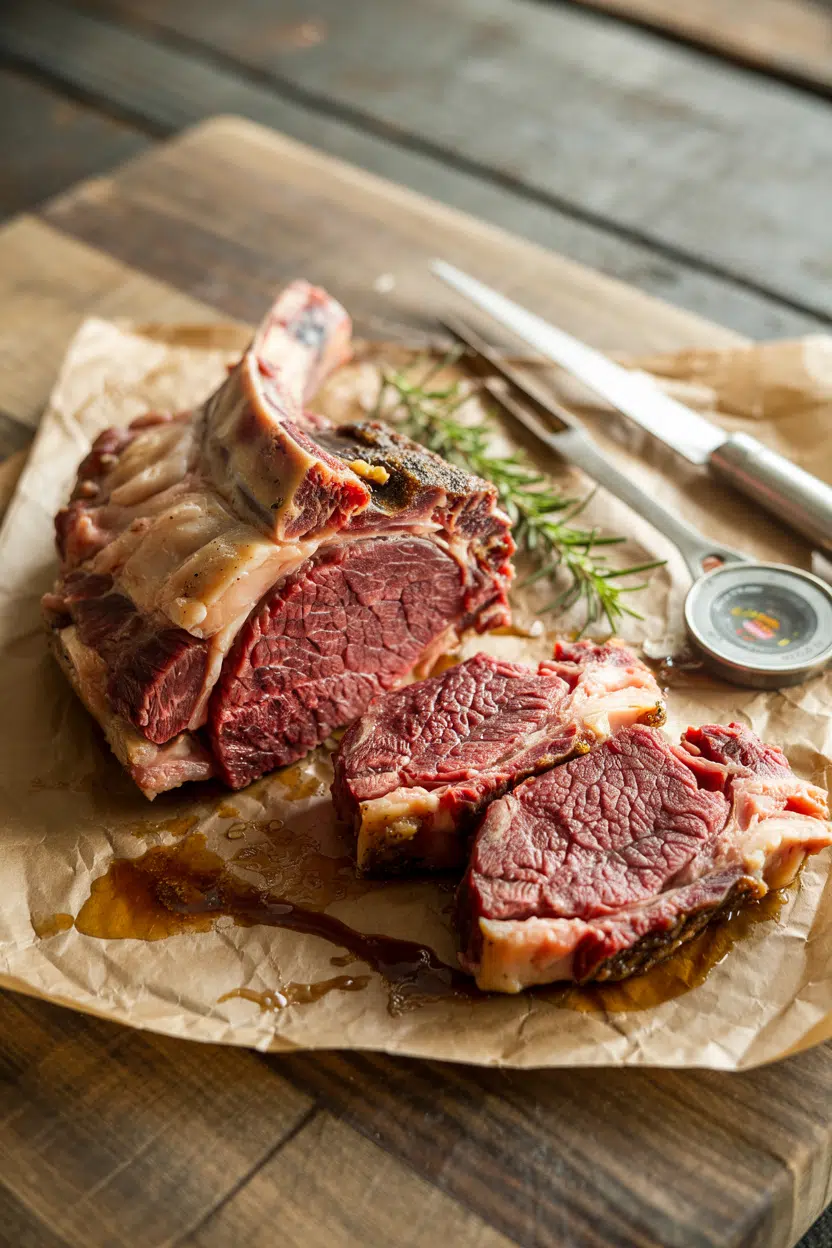
This cut earns its reputation the hard way: slowly, with heat and time. If you've cooked low-and-slow dishes like beef shank caldereta before, short rib will feel familiar - richer, fattier, and even more rewarding.
Short rib is a bone-in beef cut from the plate or forequarter, loaded with intermuscular fat and collagen. Slow-cooked, it becomes silky, gelatinous, and deeply savory. Sold as English cut (thick slabs) or flanken cut (thin crosswise slices), it suits braising, grilling, or smoking.
What Is Short Rib?
Short rib comes from the beef plate and forequarter, specifically the lower rib section where muscles do significant work. That labor leaves behind dense muscle fiber, thick intermuscular fat, and a high concentration of collagen - all of which behave beautifully under prolonged heat.
Remember it later
Planning to try this recipe soon? Save it for a quick find later!
Two cuts dominate the market. English cut short ribs are thick slabs, typically 2-3 inches, sliced parallel to the bone. Flanken cut short ribs are thin cross-sections sliced through multiple bones - the format most associated with Korean galbi jjim and grilled preparations.
You'll see this cut sold under several names:
- 🥩 Beef short ribs - the generic market name across most US butchers
- English cut short rib - one bone per slab, cut parallel, ideal for braising
- Flanken cut - thin strip through 3-4 bones, preferred for grilling and marinating
- Plate short rib - a thicker, meatier version from the plate primal, often seen at BBQ joints
The connective tissue that makes short rib tough when undercooked is the same reason it becomes extraordinary when slow-cooked - collagen converts to gelatin, creating that signature glossy, lip-coating texture.
What Does Short Rib Taste Like?
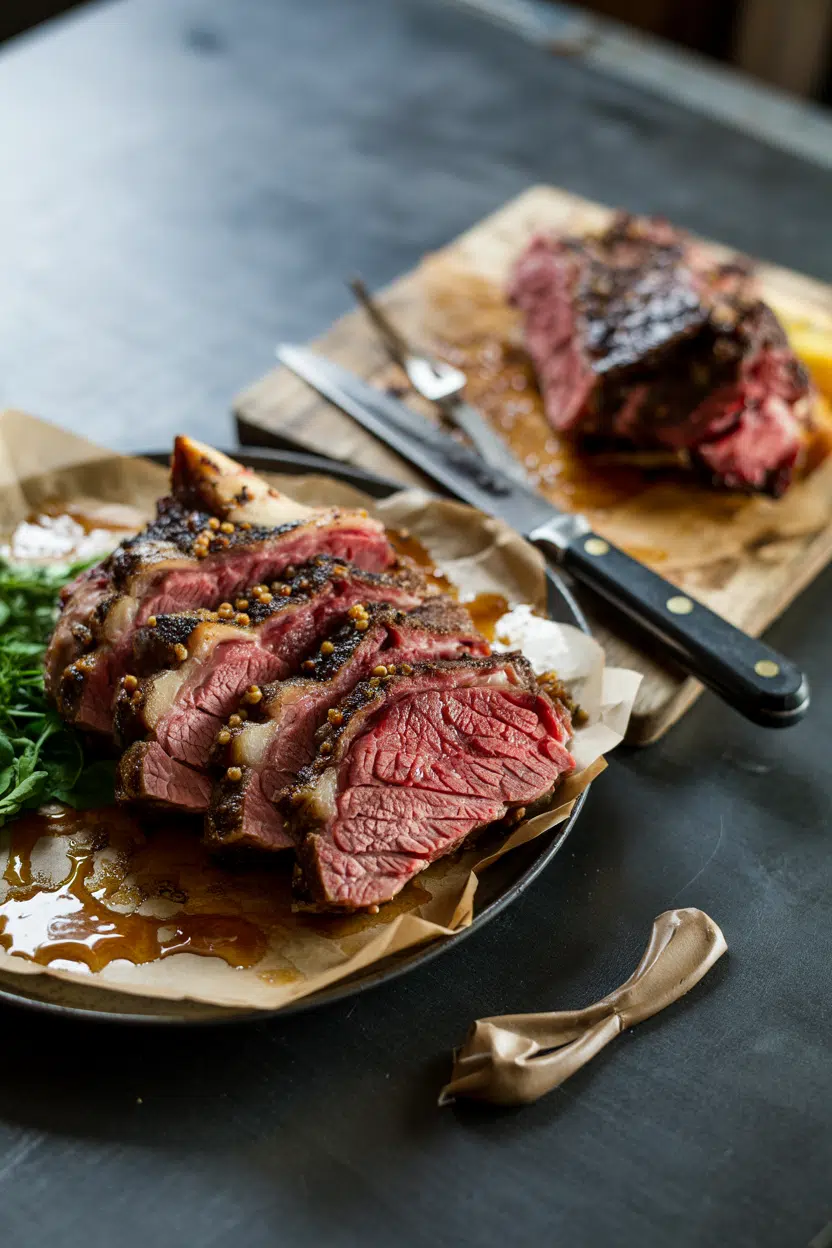
Short rib tastes closer to brisket than to any steak - deeply savory, fatty, and rich with layered umami. However, the flavor is more concentrated than brisket due to the intermuscular fat running through the muscle rather than sitting on top.
Raw short rib smells and looks like any beef cut. The transformation happens in the pan.
Searing triggers the Maillard reaction - that dark, roasted crust develops a nutty, almost caramel note. Hours of braising then coax out a braise-sweet scent from the caramelizing collagen and fat.
Undercooked short rib is chewy and greasy, with none of this complexity. Time is non-negotiable.
How to Use Short Rib
Short rib rewards patience more than technique. The fat renders, the collagen gels, and what you get out of a braising pan or Dutch oven is fundamentally different from what went in raw.
| Method | Best For | Tip |
|---|---|---|
| 🍲 Braising | Red wine braise, ragu, slider filling | Sear hard first; deglaze with wine or stock before covering |
| 🔥 Smoking + Braise | BBQ short rib plates, smoked ragu | Smoke to bark, then finish in liquid at 275°F until probe-tender |
| ⚡ Pressure Cooking | Weeknight braises, quick ragu | 45-60 minutes at high pressure replicates a 4-hour braise |
| 🔥 Grilling (Flanken) | Korean galbi, Latin-style asado | Marinate flanken-cut for at least 4 hours; grill fast over high heat |
French bistro-style red wine braises - Cabernet or Malbec, thyme, garlic, and root vegetables - are the classic Western preparation. English-cut short ribs braise for 3-4 hours until the bone slides free.
Italian cooks shred braised short rib into a pappardelle ragu, where the gelatin from the bones enriches the sauce without any added thickener. The fat content here is an asset, not a problem.
Korean galbi uses flanken cut thin-sliced through the bone, marinated in soy, brown sugar, garlic, and sesame, then grilled quickly. It's one of the few preparations where short rib doesn't need hours of cooking.
American BBQ plates lean toward plate short ribs - massive, thick slabs smoked over oak until the fat nearly liquefies into the meat.
How to Buy and Store Short Rib
At the butcher counter, look for deep pink-to-red meat with visible white intermuscular marbling - not just surface fat. Bones should be cream-to-white and firmly attached.
Avoid any slab with grayish edges, dried-out surfaces, or a sour smell.
For English cut, confirm thickness runs at least 2 inches - thinner slabs dry out before collagen fully converts. For flanken, you want clean cross-cuts through the bone, not jagged saw marks.
Storage is straightforward:
- 🧊 Refrigerator (raw) - 3-5 days at 32-40°F in butcher paper or vacuum seal
- ❄️ Freezer (raw) - up to 12 months; vacuum-sealed preferred to prevent freezer burn
- 🍲 Cooked and braised - 3-4 days refrigerated; reheat gently in braising liquid
Full detail on short rib freshness guide is worth reading if you're buying in bulk or freezing braised portions. The braising liquid itself - loaded with gelatin from the bones - keeps best when stored with the meat rather than separately.
Where to Start with Short Rib
Short rib has a steep learning curve only if you fight it. Work with the cut's nature and the process is simple.
- 🍷 First-timer - Start with an English cut red wine braise; it's forgiving and scales easily
- 🔥 Grill-first cook - Buy flanken cut and follow a [Korean galbi](https://forkliftkitchen.com/korean-galbi-short-ribs/) marinade; no special equipment needed
- ⚡ Weeknight cook - Pressure cooker short ribs get you there in under 90 minutes total
- 🔄 Can't find it - Check the [short rib substitutes](https://forkliftkitchen.com/short-rib-substitutes/) guide; chuck short ribs or brisket cover most preparations
Don't undercook it. That's the only real mistake here.
Frequently Asked Questions
Yes, noticeably so. Short rib has thick intermuscular fat woven through the muscle, not just a surface cap. Most of that fat renders out during a proper braise, but the cut is not suitable for low-fat diets.
Flanken cut short rib is sliced thin and crosswise through multiple rib bones, producing a flat strip with bone cross-sections. This cut is standard in Korean galbi and cooks quickly on a grill rather than requiring hours of braising.
Both are collagen-rich and need long cooking, but short rib is fattier and more concentrated in flavor. Brisket has more uniform lean muscle and produces a firmer, sliceable result; short rib shreds and turns gelatinous. See the [brisket shelf life](https://forkliftkitchen.com/brisket-shelf-life/) page for post-cook storage differences.
English cut short ribs need 3-4 hours at 325°F in a covered Dutch oven. The meat is done when a knife slides through with no resistance and the bone pulls free cleanly. Pressure cooking cuts this to 45-60 minutes.
Yes, but only flanken cut. The thin cross-sections cook through quickly over high heat without needing collagen breakdown. English cut short ribs are too thick and fatty for direct grilling - the exterior burns long before the interior softens.



