
Quark does something no other fresh cheese quite manages: it adds body and a clean lactic tang without pushing its own flavor to the front. It thickens sauces, fills cheesecakes, and spreads across rye bread while staying mild enough to let every other ingredient speak.
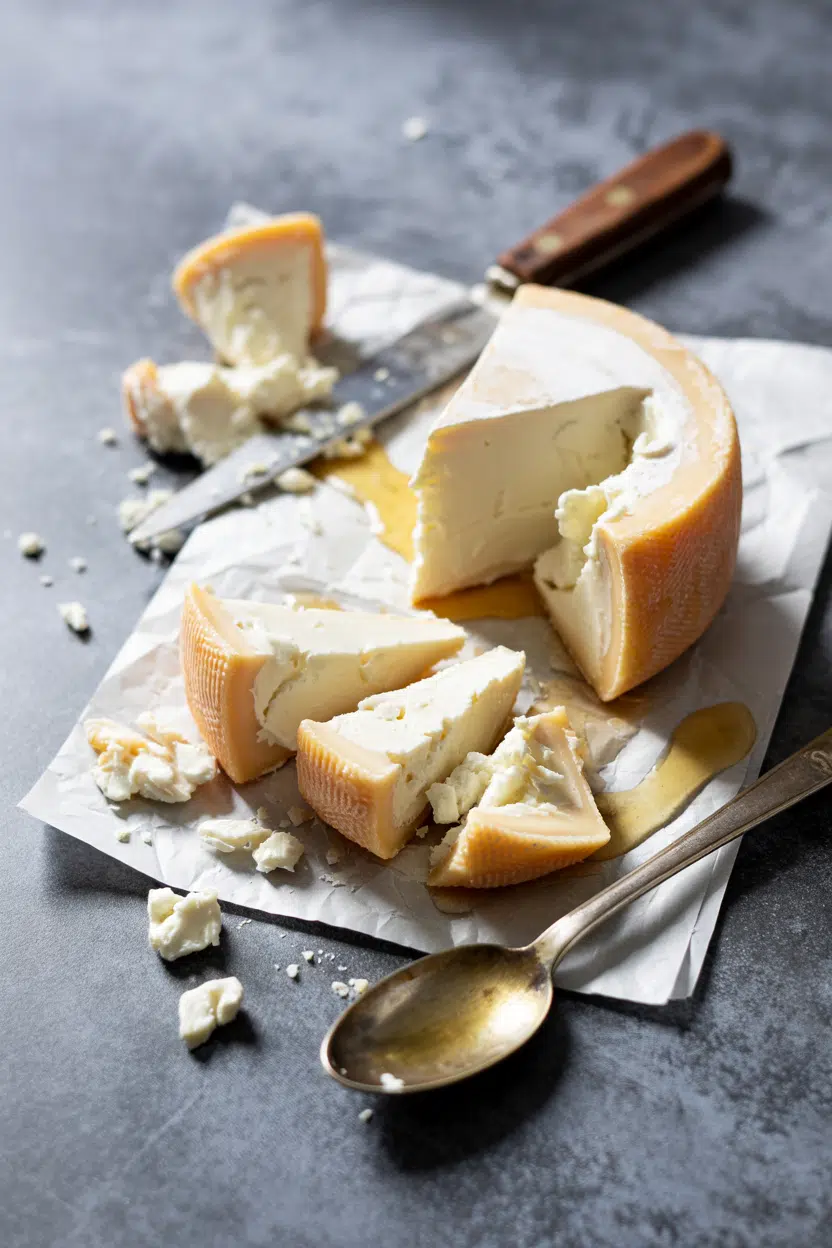
If you've leaned on cream cheese swaps or kept ricotta on hand for the same reasons, quark is worth knowing properly.
Quark is a fresh, acid-set soft cheese from Central and Eastern Europe with a mild lactic tang and smooth texture. It works cold as a spread, baked into cheesecake, or stirred into sauces - available from near fat-free Magerquark to rich Sahnequark.
What Is quark cheese?
Quark is a fresh acid-set cheese, meaning it forms when sour milk cultures acidify the milk until the proteins coagulate - no animal rennet required. That makes it vegetarian-friendly by default and gives the curd a cleaner, less aged flavor than rennet-set cheeses.
Remember it later
Planning to try this recipe soon? Save it for a quick find later!
It originates in Central and Eastern Europe, where it has been a staple of home cooking for centuries. Germany and Austria are its best-known producers, though nearly every country in the region has its own name and tradition for it.
The cheese goes by several names depending on where you find it:
- Topfen - the Austrian term, used in recipes from Vienna's pastry tradition
- Tvaroh / Tvorog - the Czech and Russian/Eastern European names for the same product
- Magerquark - low-fat quark with a drier, slightly grainy curd, preferred in baking
- Sahnequark - cream-enriched quark, much richer and fully spreadable
Fat level changes everything about how quark performs. Full-fat and Sahnequark stay silky at room temperature, while Magerquark behaves more like a pressed curd - useful when a recipe needs less moisture.
What Does quark cheese Taste Like?
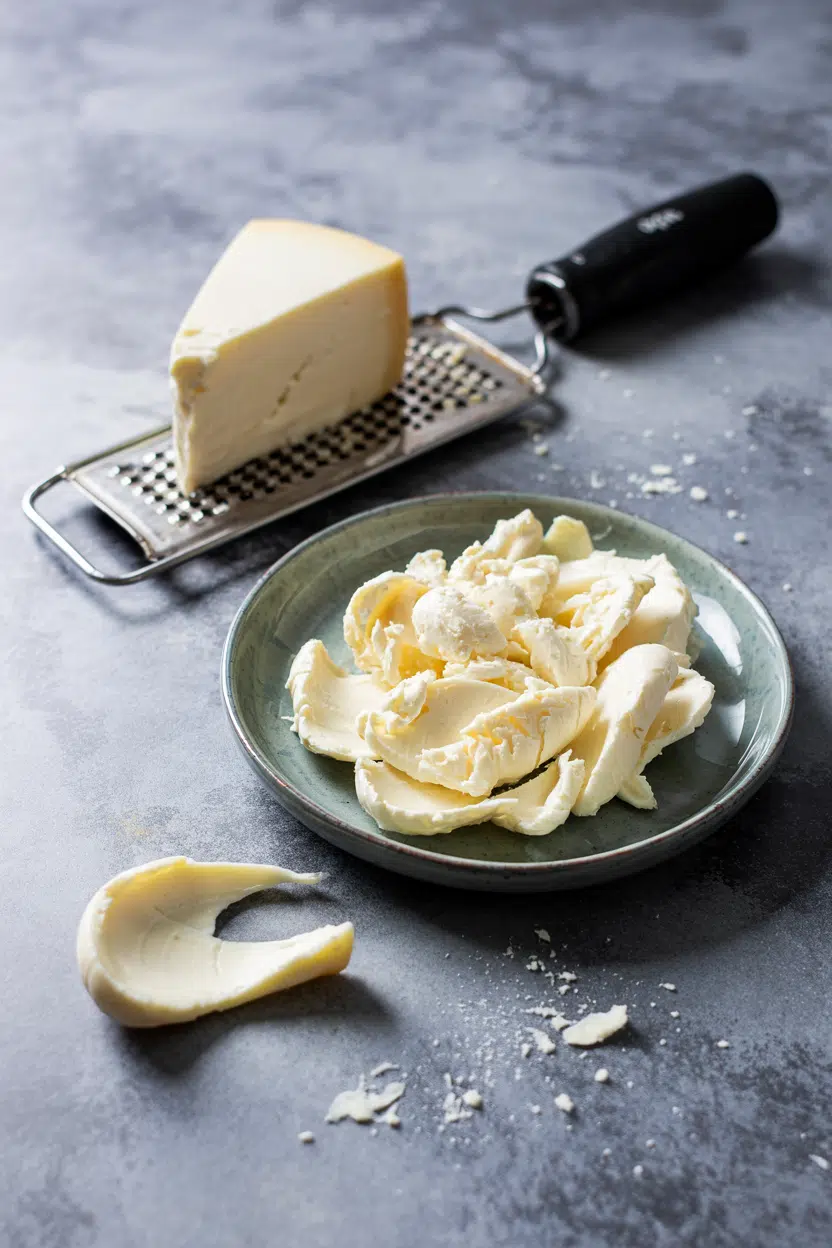
Quark's flavor is mild and clean - a soft lactic tang with a background of milky sweetness. It lacks the saltiness of cream cheese and the sharp fermented bite of sour cream.
The closest comparisons are a less sour Greek yogurt or a finer-textured ricotta. Low-fat Magerquark tips slightly more acidic as the fat no longer rounds out the tang.
Heat mutes quark's tanginess slightly while thickening its texture. In a baked Käsekuchen (German cheesecake), the flavor mellows into something close to a dense, lightly tangy custard - noticeably different from a cream cheese-based filling.
How to Use quark cheese
Quark works across a wider range of applications than most fresh cheeses because its fat level and temperature response can be matched to the task. Cold, it spreads and fills.
Gently warmed, it enriches. Baked, it sets into a firm, sliceable texture.
| Method | Best For | Tip |
|---|---|---|
| 🥗 Cold / No Heat | Spreads, dips, fruit bowls, cheeseboard | Whisk with herbs or honey to loosen before serving |
| 🍳 Low Heat | Stirred into sauces, mashed potatoes, creamy dressings | Add off the heat or below a simmer to prevent breaking |
| 🧁 Baked | Käsekuchen, casseroles, pancake batters | Use Magerquark when the recipe needs a drier, firmer set |
| 🫙 Filling | Blintzes, crepe fillings, stuffed pastries | Mix with sugar and vanilla; drain Magerquark if too wet |
Savory pairings are some of quark's strongest applications. It takes well to chives, dill, parsley, smoked salmon, black pepper, and potatoes with nutmeg. Spread thickly on rye or sourdough, it functions as a satisfying alternative to butter or cream cheese.
On the sweet side, quark folded with fresh berries, honey, and citrus zest makes a fast breakfast bowl. Mixed with sugar and vanilla, it becomes a pastry filling that sets cleanly without being heavy.
When you need a stand-in, quark cheese swaps can bridge the gap - though most replacements sacrifice either the texture or the clean tang that makes quark distinctive.
How to Buy and Store quark cheese
Look for tubs that are uniformly white and smooth with no visible pockets of watery whey sitting on the surface. Separation signals age or temperature abuse during transport.
Label reading matters more than with most dairy. "Sahnequark" means cream has been added for a richer result; "Magerquark" signals a low-fat, drier curd suited to specific baking recipes.
For cottage cheese swaps and similar fresh curd applications, full-fat quark is the closer match in texture.
Storage is straightforward: keep it in the coldest part of the fridge, not in the door. Unopened tubs hold for 2-3 weeks; once opened, use within 5-7 days.
For more detail on how fresh dairy products age, the quark cheese freshness guide guide covers the signs of spoilage to watch for.
Start Here With Quark
Quark rewards the approach of starting cold. Before baking or cooking with it, try it first as a savory spread with herbs, or stirred into mashed potatoes.
Those two uses give you an immediate read on its tang level and how the fat content you bought performs.
From there, the step to Käsekuchen or sauce enrichment is a short one. Quark doesn't need much to show its range - it just needs the right starting point.
Frequently Asked Questions
No. Cottage cheese has distinct, visible curds sitting in liquid whey, while quark is smooth and uniform with no curds. Quark is also tangier and lower in sodium than most cottage cheese varieties.
Yes, in most cold applications and baked cheesecakes. Quark is lower in fat and less thick, so the result will be lighter and slightly more tangy. For dips and spreads, full-fat Sahnequark is the closest match.
Magerquark is the low-fat version of quark, typically less than 0.5% fat. Its curd is drier and slightly grainier than full-fat quark, making it the preferred choice in German baking recipes where excess moisture would affect the set.
Yes. Warm whole milk to around 86°F (30°C), stir in a live-culture buttermilk or yogurt starter, and let it sit 12-24 hours until thickened. Strain through a cheesecloth to reach your preferred consistency.
Yes. The culturing process converts much of the lactose into lactic acid, reducing the final lactose content significantly. Many people who are mildly lactose-sensitive tolerate quark better than fresh milk.



