
Salmon does something in a hot pan that almost no other fish can replicate - fat renders from the flesh itself, basting the fillet from the inside out while the skin crisps into something close to crackling. That self-basting quality is what makes it forgiving to cook and extraordinary when left alone with minimal seasoning.
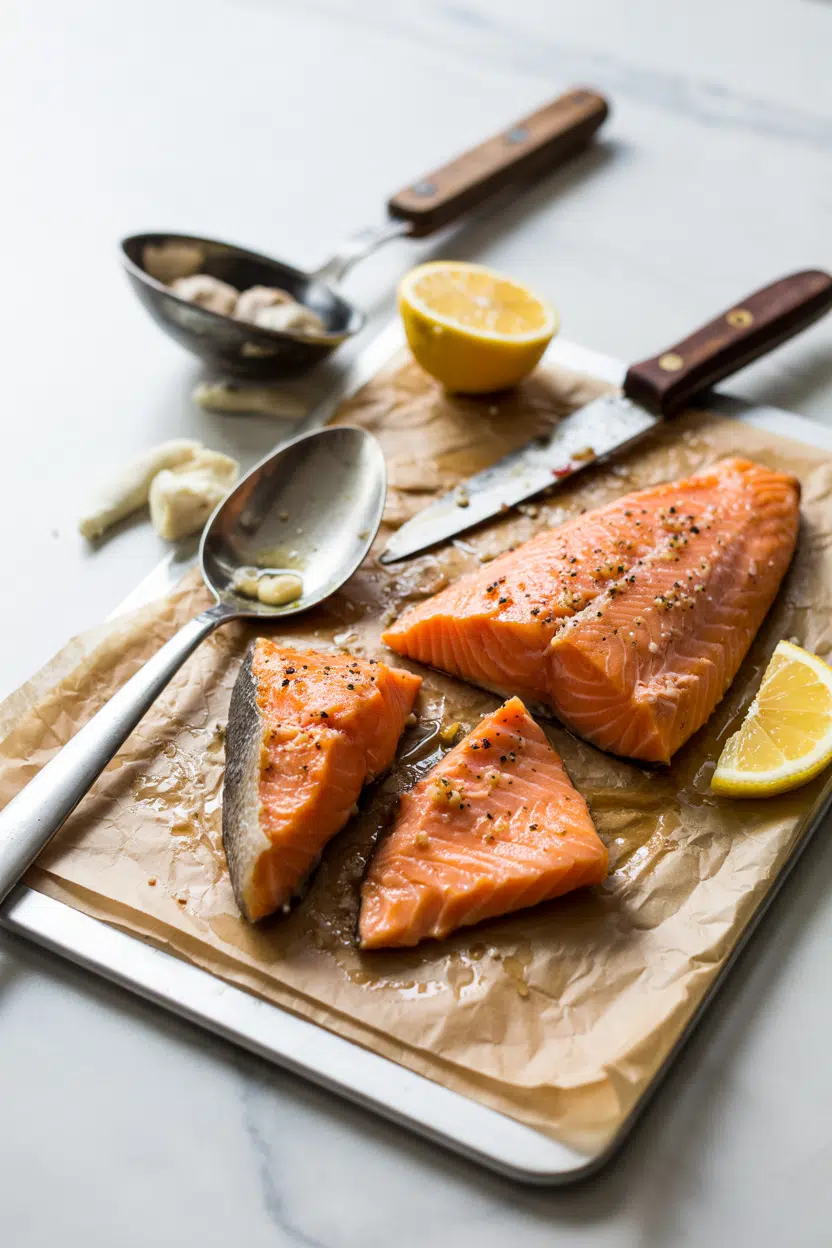
Whether you're working with a wild-caught sockeye or a farmed Atlantic fillet, understanding what salmon actually is - and how its fat and flavor behave - is the difference between a meal that lands and one that doesn't. It sits in the same oily-fish family as trout, but richer, meatier, and far more adaptable across techniques.
Salmon is a rich, oil-forward cold-water fish with buttery umami flavor and firm, silky flesh. It works raw, cured, smoked, pan-seared, or roasted. Wild varieties run leaner and more intense; farmed runs milder and fattier. Refrigerate raw salmon and use within 1-2 days.
What Is Salmon?
Salmon belongs to the family Salmonidae and spends its life migrating between freshwater and saltwater - a journey that shapes the dense, oil-rich muscle tissue it's prized for.
Remember it later
Planning to try this recipe soon? Save it for a quick find later!
The two main commercial categories are Atlantic salmon (Salmo salar), which is almost entirely farmed today, and Pacific salmon, which includes several distinct species.
Each Pacific species has its own character:
- Chinook (King) - the largest and fattiest Pacific species; deep orange flesh with a pronounced buttery richness
- Sockeye - vivid red flesh, leaner than chinook, with a more assertive flavor and firm texture
- Coho - milder than sockeye, medium fat content, lighter pink color; a good middle-ground option
- Pink - the most abundant and lightest in flavor; commonly used in canned products
- Chum (Keta) - pale flesh, lower fat, often smoked or used in roe production
Atlantic salmon from aquaculture dominates retail markets worldwide. It's consistently fatty, mild, and thick-cut - which is why it's the default choice for restaurant portions and home cooking alike.
What Does Salmon Taste Like?
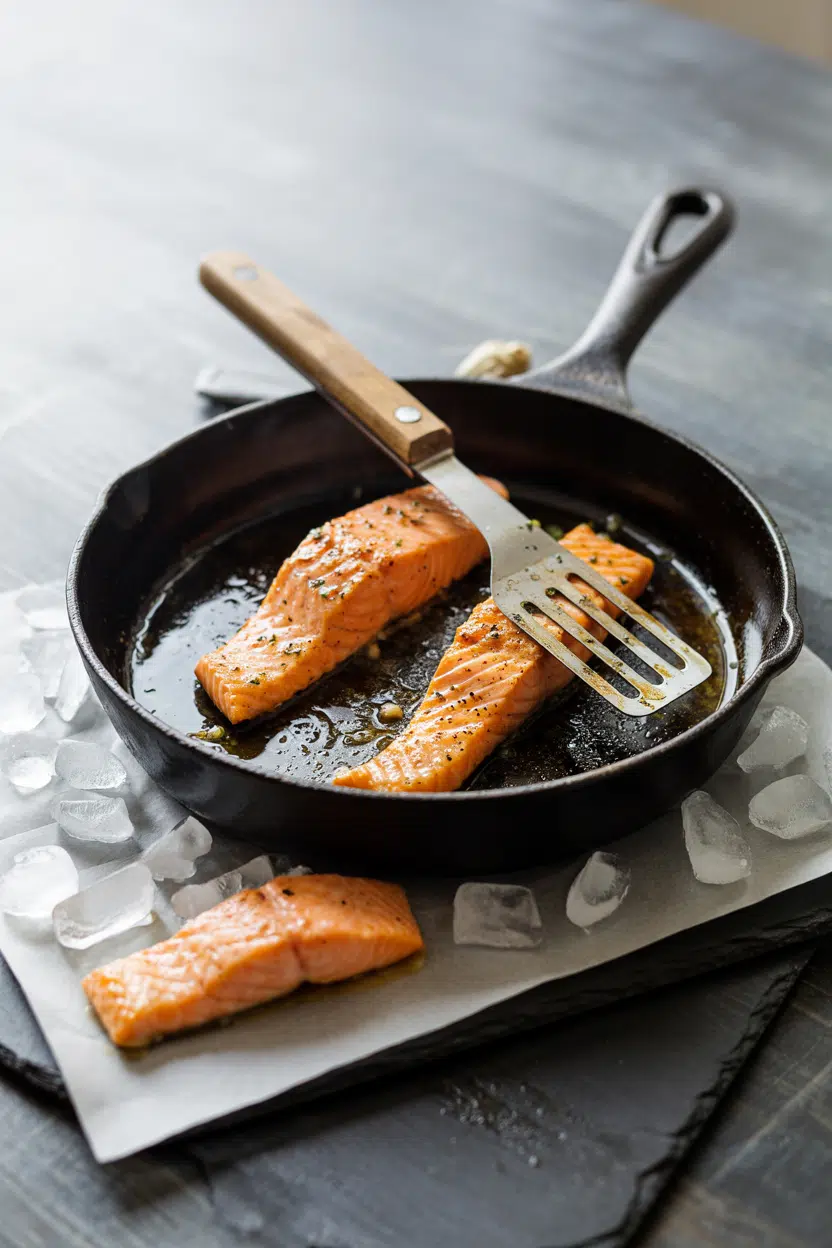
Salmon's defining flavor is buttery umami - a rich, savoury depth that comes from its high fat content rather than from any sharp or pungent note. It reads as mildly briny and slightly sweet, with no aggressive fishiness when fresh.
Raw sashimi-grade salmon closely resembles fatty tuna in mouthfeel - cool, smooth, and almost melting. Heat firms the protein and opens up a toasty, nutty top note while the fat remains present on the palate.
Smoked and cured preparations shift the profile entirely. Cold-smoked salmon becomes silky and concentrated, salty with a wood-smoke edge.
Gravlax, cured with salt, sugar, and dill, reads sweeter and more herbal. Compared to mackerel, salmon is noticeably less aggressive - it's one reason it converts people who claim not to like oily fish.
How to Use Salmon
Salmon's fat content makes it one of the most forgiving proteins across heat applications. It holds moisture under high heat, stays tender when poached gently, and takes on smoke and cure exceptionally well.
Few proteins span as many techniques without losing their character.
| Method | Best For | Tip |
|---|---|---|
| 🥗 Raw | Sashimi, tartare, nigiri | Use sushi-grade only; slice against the grain for clean cuts |
| 🧂 Curing | Gravlax, lox, salt-cured sides | Equal-weight salt and sugar cure; 24-48 hours in the fridge |
| 🔥 Pan-Searing | Skin-on fillets, weeknight dinners | Start skin-side down in a cold pan; render slowly then flip once |
| 🫙 Roasting | Whole sides, sheet-pan meals | Pull at 125°F internal for a still-silky center |
| 🍲 Poaching | Delicate flakes for salads, fish cakes | Court-bouillon with white wine and aromatics keeps flavor clean |
| 🔥 Grilling | Steaks, thick fillets with char | Oil the fish, not the grate; grill skin-side down first |
Japanese preparations - sashimi, nigiri, and salmon roe - showcase the raw fish. Nordic cuisines rely on gravlax cured salmon and smoked sides.
Pacific Northwest cooking pairs salmon with cedar planks or open fire. French technique reaches for poaching and butter sauces.
American coastal cooking stacks hot-smoked salmon onto bagels with lox or folds it into chowders.
Strong pairings lean into contrast and richness-cutting: lemon or yuzu, fresh dill or chives, capers, sour cream or crème fraîche, soy sauce and wasabi, or whole-grain mustard. Avocado echoes the fat and softens the brine.
Roasted root vegetables add earthiness without competing. Avoid heavy sweet glazes - they bury the natural umami - and steer clear of intensely bitter greens that fight the fat rather than balance it.
If you need a swap, salmon replacements in the oily-fish category work well for most cooked applications, though nothing matches its fat-to-flavor ratio exactly.
How to Buy and Store Salmon
Fresh fillets should look moist and translucent, not dull or dried at the edges. Color ranges from pale pink in farmed Atlantic to deep crimson in sockeye - neither is a quality signal on its own. The reliable test is smell: clean and oceanic, nothing more.
At home, keep raw salmon in the coldest part of the fridge - ideally at 32-38°F - wrapped airtight or set on a plate over ice. Use it within 1-2 days.
For longer storage, freeze immediately after purchase; properly wrapped, it holds well for 2-6 months. Cooked salmon keeps for 3-4 days refrigerated.
Full detail on timelines is covered in our salmon storage guide guide.
Where to Start With Salmon
New to cooking it? Start with a skin-on Atlantic fillet, pan-seared.
The thick, fatty cut is forgiving, the skin protects the flesh, and the result lands reliably without special equipment.
- For raw preparations - buy sushi-grade and start with sashimi; serve alongside sashimi accompaniments to build a complete plate
- For cured fish - gravlax is a weekend project that rewards patience; 36 hours in the fridge transforms a raw side into something entirely different
- For smoky flavor - hot-smoked salmon needs no further cooking; flake it cold over greens or fold it into scrambled eggs
- Exploring other oily fish? - check tuna replacements if you want to branch further into the fatty-fish category
Once you've worked through those entry points, the rest of the techniques follow naturally.
Frequently Asked Questions
Not when it's fresh. Salmon tastes buttery and mildly briny - the "fishy" edge only appears when the fish is aging or poorly stored. It reads as far less aggressive than mackerel or sardines.
Wild salmon is leaner, firmer, and more intensely flavored. Farmed Atlantic salmon is milder, fattier, and more forgiving to cook because the higher fat content buffers overcooking.
King (chinook) is fattier, buttery, and milder. Sockeye is leaner with a deeper red flesh and a more pronounced, assertive flavor - it holds up better to strong seasonings and high heat.
Yes, with the right fish. Use only sushi-grade salmon that has been commercially frozen to kill parasites. Pregnant individuals and immunocompromised people should avoid raw fish entirely per standard food safety guidance.
Flash-frozen salmon thawed properly tastes nearly identical to fresh. The difference shows up only with slow freezing or freezer burn, which damages the cell structure and causes mushy texture after cooking.



