
Lentils have a quiet, grounding quality the moment they hit a hot pan - that faint toasty, beany aroma that signals something substantial is on the way. They sit somewhere between a grain and a pea in flavor, earthy and nutty, with just enough body to anchor a bowl on their own.
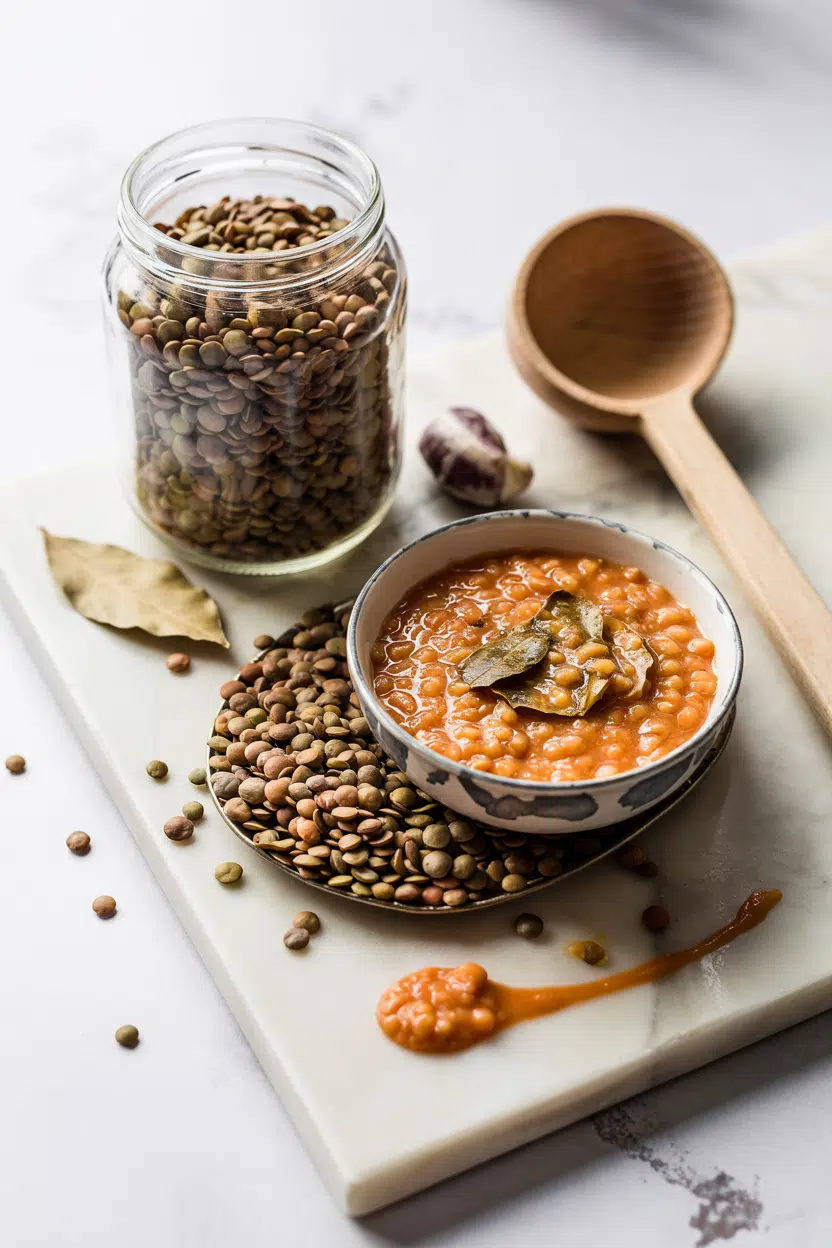
Unlike black beans or mung beans, lentils come in several distinct forms that cook and taste noticeably differently from one another. Knowing which type to reach for changes the dish entirely.
Lentils are dried lens-shaped pulses with earthy, nutty flavor. Red and split varieties cook down creamy; green, brown, and Puy hold their shape. They work in soups, salads, stews, and as a plant-protein base across Indian, French, and Middle Eastern cooking.
What Is Lentil?
Lentils are small, lens-shaped seeds from the legume family - a pulse, technically, meaning they're the dried edible seed of a pod plant. They originated in South Asia and the eastern Mediterranean, where they've been cultivated for over 8,000 years.
Remember it later
Planning to try this recipe soon? Save it for a quick find later!
You'll find them sold whole or split, across several color categories that behave quite differently in cooking.
- Brown lentils - The most common type in Western markets; hold their shape and suit soups and stews.
- Green lentils and Puy lentils - Firm, slightly peppery; Puy (from France's Le Puy region) are smaller and more mineral in flavor.
- Red lentils (masoor) - Usually sold split; cook down fast into a soft, creamy consistency ideal for dal.
- Black beluga lentils - Dense, glossy, and firm; hold shape even after prolonged cooking.
- Split lentils (dal) - Any variety with the hull removed and seed halved; cook much faster than whole lentils.
In South Asian cooking, the word dal refers to split lentils and also to the dish made from them - context usually makes clear which is meant.
What Does Lentil Taste Like?
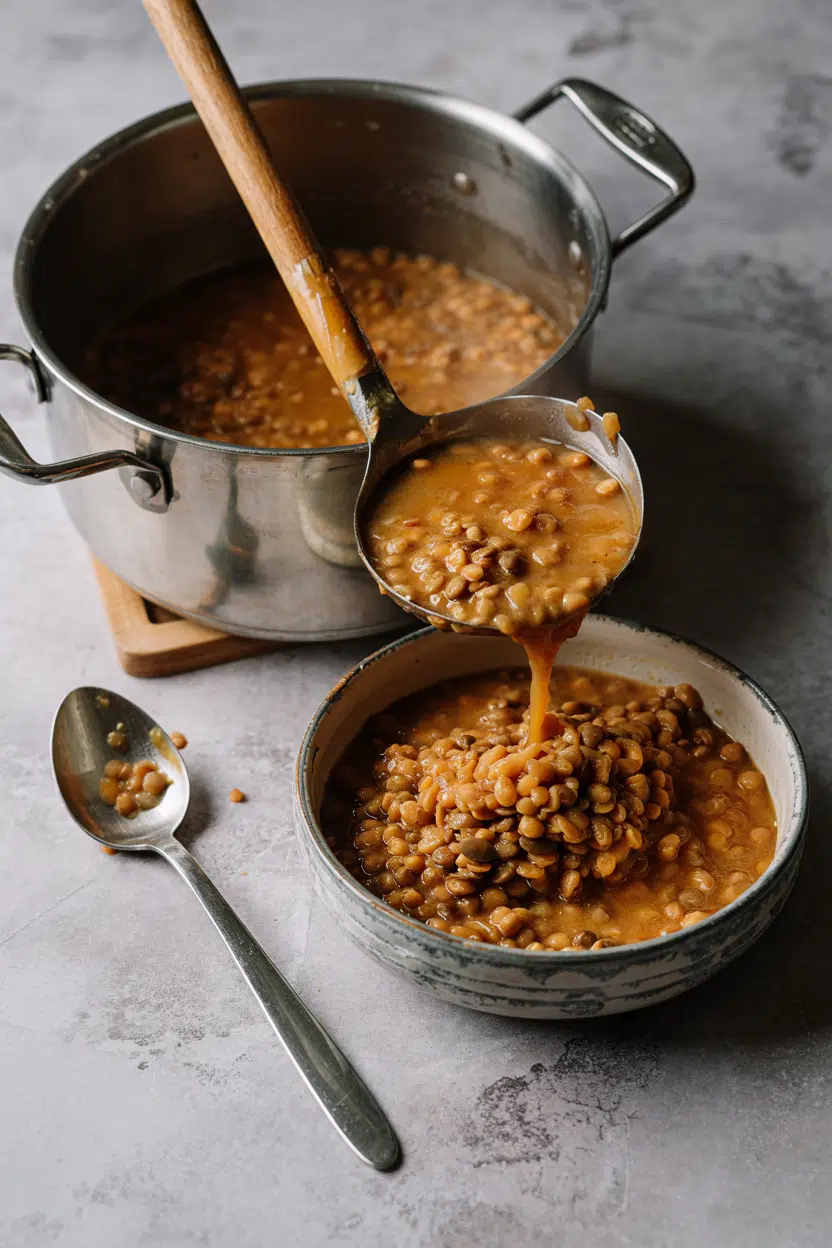
The flavor depends heavily on the variety. Brown and green lentils carry an earthy, faintly nutty taste - think cooked brown rice in body, but with a slightly more complex, pea-like finish.
Puy lentils push the pepper note further - they have a more mineral edge that holds up well against acidic dressings. Red lentils shift the profile almost entirely: cooked down, they turn mildly sweet and almost savory-bland, which is why they need assertive spicing.
Heat softens the raw, faintly chalky edge all dried lentils share, replacing it with a rounder, more cohesive depth.
How to Use Lentil
Lentils span an unusually wide range of cooking applications for a single ingredient, largely because different varieties behave so differently once cooked.
| Method | Best For | Tip |
|---|---|---|
| 🍲 Simmer | Soups, dal, stews, mujaddara-adjacent dishes | Start in cold water; skim foam in the first few minutes |
| 🥘 Sauté then simmer | French lentil salad, side dishes with vinaigrette | Use Puy or green; undercook slightly before dressing |
| ⚡ Pressure cook | Fast weeknight dal, batch cooking for meal prep | Red lentils: 5-6 min; brown/green: 10-12 min |
| 🔥 Bake | Lentil loaves, terrines, meatless burgers | Mash well and cool before combining with oats or binder |
In Indian cooking, red lentil dal is built by blooming cumin, coriander, and garlic in oil before adding the split lentils - a technique called tadka. French preparations lean the other way: Puy lentils simmered until just tender, then tossed warm with a mustard vinaigrette and shallots.
Middle Eastern cooks combine lentils with caramelized onion and rice for mujaddara, where the earthiness anchors sweet, deeply browned alliums.
For texture contrast, pair firm lentils with roasted root vegetables - carrot, parsnip - or smoked paprika and bacon where fat carries the lentil's flavor deeper into the dish.
Lemon or a splash of red wine vinegar added at the end brightens the earthy base without masking it.
How to Buy and Store Lentil
Buy lentils in clear packaging whenever possible. Whole green and Puy lentils should look glossy and uniform in size; split red lentils should be a bright orange-red, not dull or dusty.
Avoid bags with broken pieces, uneven color, or a stale odor - age doesn't make lentils unsafe, however it does extend cook time and flatten flavor.
Store dried lentils in airtight containers in a cool, dark pantry - away from heat near the stove. Check the lentil storage guide if you're unsure about older stock: dried lentils last 1-2 years, cooked lentils keep 3-5 days refrigerated, and frozen cooked lentils hold for 3 months.
As a plant protein source, cooked lentils deliver roughly 9 g of protein per 100 g - alongside meaningful dietary fiber, iron, and folate.
Start With Red or Puy
New to lentils? Red lentils are the most forgiving entry point - they cook fast, need no soaking, and collapse into creamy dal with minimal effort.
If you want a salad or a side dish where texture matters, reach for Puy or green lentils and pull them from the heat while they still have a little resistance.
Both varieties reward simple seasoning - garlic, cumin, and a squeeze of lemon cover most situations.
Frequently Asked Questions
Neither, strictly. Lentils are a pulse - the dried seed of a legume plant, botanically distinct from both grains and beans. They share the legume family with [chickpeas](https://forkliftkitchen.com/chickpea/) and beans but have their own genus: Lens culinaris.
No. Lentils cook through without soaking, unlike chickpeas or dried beans. A quick rinse to remove dust and any debris is all they need before going into the pot.
Puy lentils are the standard choice - they hold shape after cooking and absorb dressing without turning mushy. Green and black beluga lentils work well too, for the same reason.
Red and split lentils soften in 15-20 minutes on the stovetop. Brown and green lentils take 25-35 minutes; Puy lentils can run up to 40 minutes if you want them fully tender.
Yes, and whole brown or green lentils sprout reliably in 2-3 days with just water and a jar. Split lentils won't sprout since the seed is already broken and the germ removed.



