
Most home bakers reach for glycerin once, get confused by the label, and put it back on the shelf.
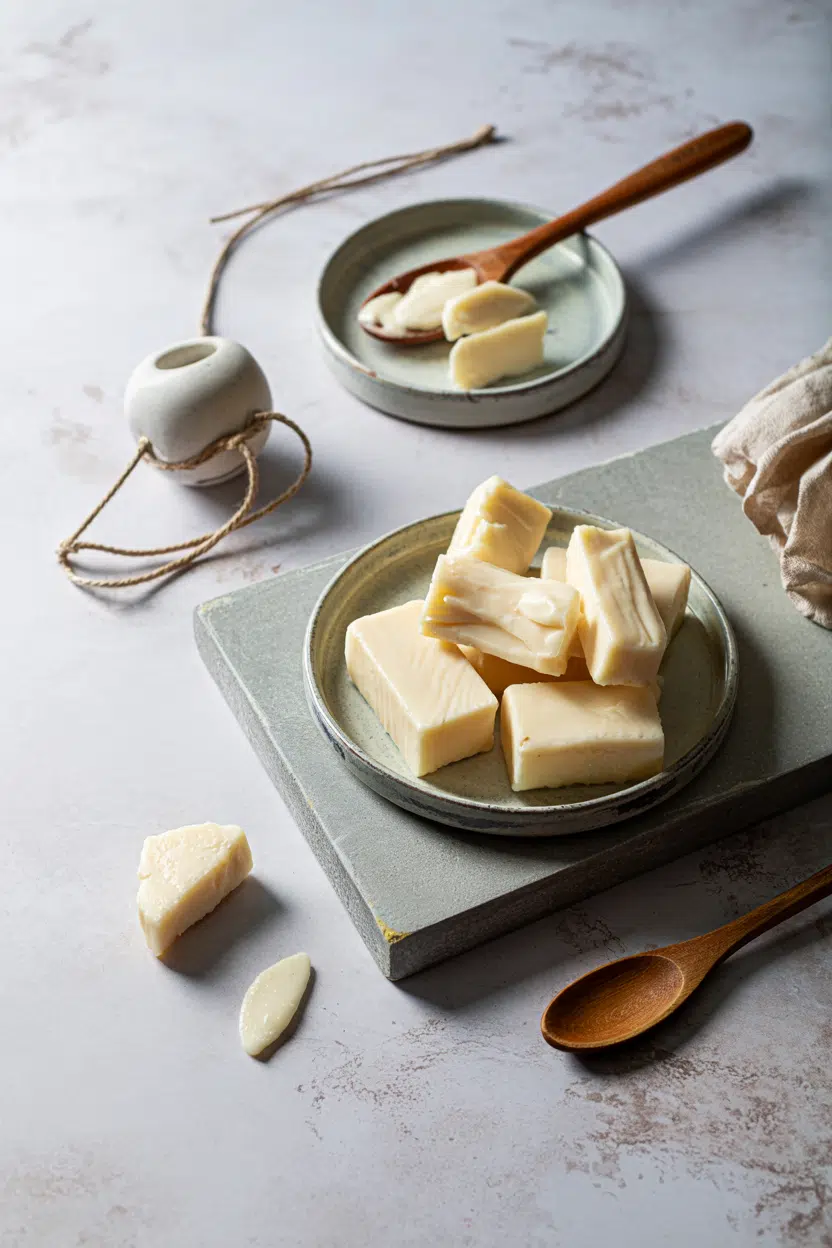
That's a mistake - this clear, syrupy liquid is one of the few ingredients that keeps baked goods soft for days without changing their flavor profile, and it does it through pure chemistry rather than added sugar.
Glycerin is a clear, viscous humectant with mild sweetness and a syrupy mouthfeel. Use it in baking, confectionery, and herbal extracts to retain moisture, add body, and replace some sugar. It's shelf-stable for years and available as food-grade vegetable glycerin at most health food stores.
What Is Glycerin?
Glycerin - also called glycerol, glycerine, or vegetable glycerin - is a trihydroxy sugar alcohol derived from fats and oils during soap-making or biodiesel production. Plant-derived versions, commonly labeled VG (vegetable glycerin), come from soy, palm, or coconut oil and are the standard for food use.
Remember it later
Planning to try this recipe soon? Save it for a quick find later!
It falls into two overlapping categories: sugar alcohol and humectant. As a sugar alcohol, it provides roughly 4 kcal per gram and offers mild sweetness without spiking blood glucose the way sucrose does.
As a humectant, it attracts and holds water molecules, which is what makes it so useful in food production.
Food-grade glycerin must meet USP (United States Pharmacopeia) purity standards and contain no propylene glycol or synthetic fillers. The two compounds are chemically different - propylene glycol is not a sugar alcohol and has a distinct safety and flavor profile.
What Does Glycerin Taste Like?
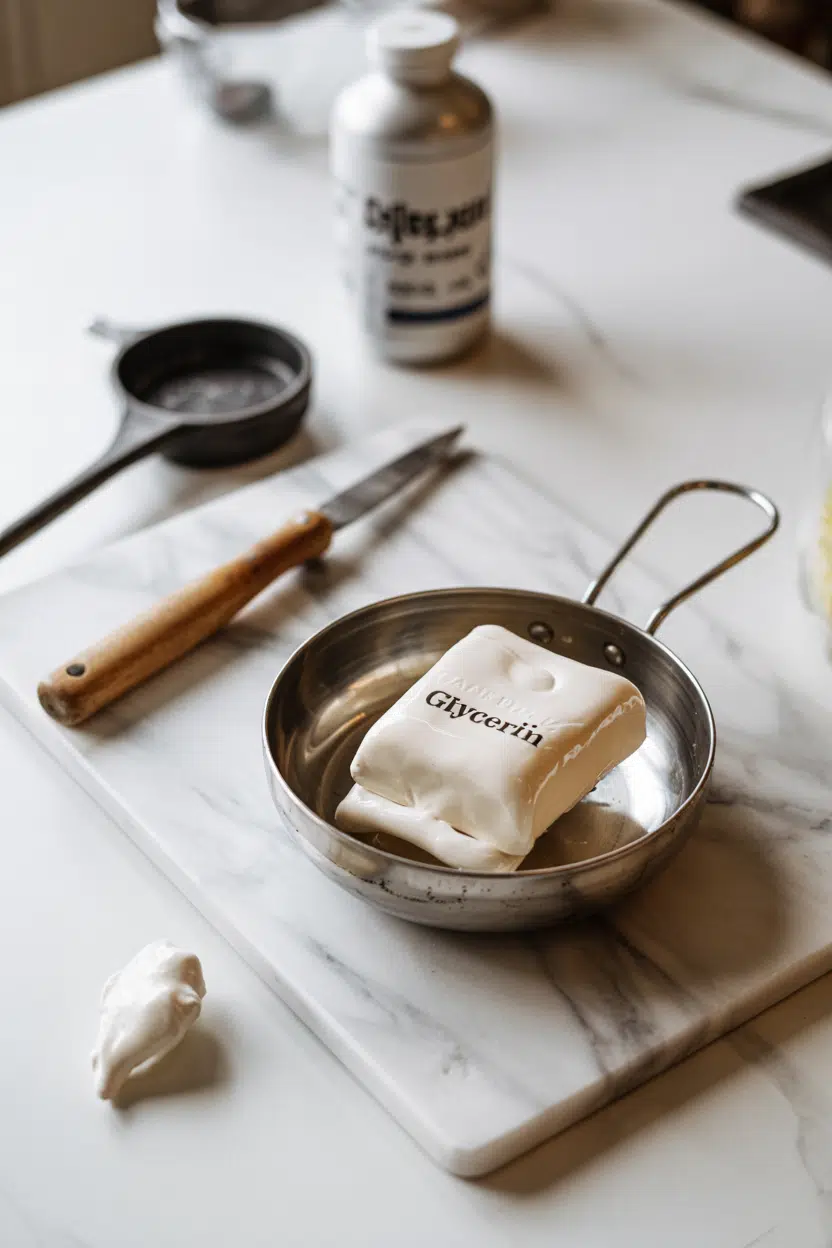
Glycerin tastes like a quieter version of corn syrup - mildly sweet, clean, and slightly thick on the tongue - but with notably less sugar intensity. Think concentrated simple syrup that somehow feels denser without tasting sweeter.
At low doses (1-3 teaspoons in a full batch), the sweetness is barely detectable. You'll notice the slick, mouth-coating texture more than any flavor.
At higher concentrations, a faint caramel-like note emerges, along with a subtle medicinal or bitter finish that signals you've used too much.
Warming glycerin gently - as you would when dissolving sugars into a glaze - coaxes out that faint sweetness and makes it easier to blend. Cold glycerin is thicker and can be harder to incorporate evenly into batters.
How to Use Glycerin
Glycerin earns its place in recipes not through bold flavor, but through what it prevents: staling, drying, and crystallization. A small amount goes a long way, and the method of incorporation matters.
| Method | Best For | Tip |
|---|---|---|
| 🥣 Whisked In | Cake and cookie batters, muffin mixes | Add with wet ingredients; 1 teaspoon per cup of flour keeps crumb soft for days |
| 🍯 Stirred into Syrups | Glazes, icings, flavored syrups | Add after heating; gives shine and prevents hardening at room temperature |
| 🌿 Cold Extraction | Glycerites - alcohol-free herbal tinctures | Use a 60:40 glycerin-to-water ratio for most dried herbs; steep 4-6 weeks |
| 🍬 Blended into Confections | Sugar-free candies, caramels, lozenges | Replaces some corn syrup; keeps texture chewy without added sugar |
Glycerin pairs well with vanilla, chocolate, citrus zest, cinnamon, and cardamom - essentially any flavoring that benefits from extended moisture and a smooth carrier. It also works as a solvent for essential oils and bitters, where alcohol is undesirable.
Two situations call for caution. Skip glycerin entirely in egg-white foams and meringues - its hygroscopic nature pulls water into the foam and collapses structure.
Likewise, avoid it in hard candies where precise sugar crystallization controls texture; glycerin interferes with that process. If you need a different moisture-retaining approach, reviewing glycerin swaps can help you pick the right swap for your recipe.
How to Buy and Store Glycerin
At the store, look for bottles labeled "food grade" or "USP vegetable glycerin." The ingredient list should read: glycerin (or vegetable glycerin). Full stop.
If propylene glycol appears anywhere on the label, put it back - that's a different compound with a different safety profile.
Check the bottle itself. Food-grade glycerin should be completely clear and colorless.
Cloudiness or a yellow tint indicates possible contamination or degradation.
- Where to buy - Health food stores, supplement retailers, and online suppliers carry it reliably. Pharmacy sections sometimes stock USP-grade bottles.
- Container size - A 4 oz bottle is sufficient for most home bakers; commercial confectioners buy in larger quantities.
- Storage - Keep in a tightly sealed container away from direct light and heat. Glycerin absorbs moisture from the air, so a loose lid compromises quality fast.
Properly sealed glycerin has an impressively long shelf life - unopened bottles remain stable for several years, and opened ones keep for 1-3 years. For comparison, sugar stored correctly can last indefinitely, but glycerin still outlasts most liquid pantry staples by a wide margin.
Start Here If You're New to Glycerin
If you've never used glycerin before, start with baking. Add one teaspoon to your next batch of cookies or a simple loaf cake.
You won't taste a dramatic difference on day one - that's not the point. Pull out a piece on day three and compare it to a batch made without it.
The texture difference will make the case for you.
Once you're comfortable with ratios, try it in a glaze or icing for shine and flexibility. Glycerites - the herbal extraction method - are a longer project better suited to your second or third experiment with the ingredient.
Frequently Asked Questions
Yes, food-grade and USP-grade glycerin are recognized as safe by the FDA and used widely in commercial food production. The key is buying the correct grade - cosmetic or industrial glycerin is not formulated for consumption.
It can, but its glycemic impact is lower than sucrose. Glycerol is metabolized partly to glucose in the liver, so people managing diabetes or insulin resistance should account for it - it's not a free pass as a sugar substitute.
They are chemically distinct compounds. Vegetable glycerin is a sugar alcohol derived from plant fats and is sweet; propylene glycol is a synthetic diol with a faintly bitter taste and no sweetness. They are not interchangeable in food recipes.
Yes, in very small amounts - typically no more than half a teaspoon per batch. A tiny addition prevents royal icing from setting rock-hard, making decorated cookies easier to cut and eat without shattering.
Plant-derived vegetable glycerin is vegan. However, glycerin can also be sourced from animal fats, so checking the label or contacting the manufacturer matters if strict vegan compliance is required.



