
Melted across a backyard burger or pulled from a lunchbox next to crackers and apple slices, Colby Jack shows up in the most reliable corners of American eating. It's not a showoff cheese - it's the one that melts cleanly, slices without crumbling, and offends nobody at the table.

Understanding what makes it work helps you use it better, whether you're building a quesadilla or stocking the fridge for the week.
Colby Jack is a semi-soft blended American cheese made from Colby and Monterey Jack curds. It melts smoothly, tastes mild and buttery, and suits everyday cooking from burgers to baked potatoes.
What Is Colby Jack Cheese?
Colby Jack - also written Colby-Jack or called marble cheese - is a blended American cheese made by combining Colby curds and Monterey Jack curds before pressing. The result is that familiar orange-and-white marbled pattern running through every slice.
Remember it later
Planning to try this recipe soon? Save it for a quick find later!
It originates from the American Midwest, where both of its parent cheeses were already established regional staples. Colby was developed in Wisconsin in the 1880s, while Monterey Jack traces its roots to California.
The blend is classified as a semi-soft cheese with an open-curd structure, meaning it retains more moisture than aged hard cheeses. That moisture is exactly what gives it such a forgiving melt.
Unlike processed cheese products, Colby Jack is a natural cheese made from cow's milk - though reduced-fat versions exist. Those versions hold their shape better under heat but sacrifice the creamy melt that makes the original worth using.
If you've been buying pre-shredded bags and wondering why the melt feels gummy, the cheese curds structure in a fresh block makes a real difference.
What Does Colby Jack Cheese Taste Like?
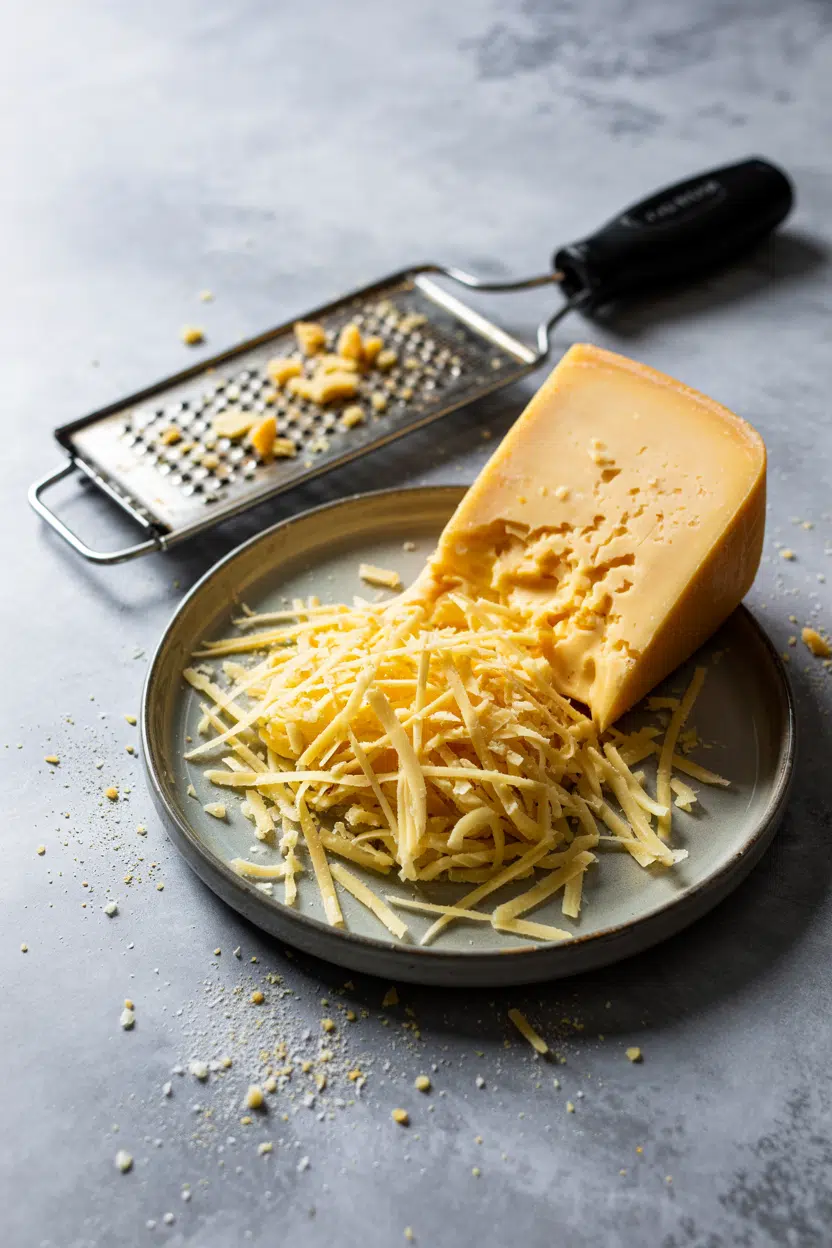
Colby Jack tastes like a milder, creamier cheddar crossed with the gentle sweetness of Monterey Jack. Neither component dominates - the Colby brings a faint tang, and the Jack smooths it out.
Cold from the fridge, it's moist and slightly springy with a clean dairy flavor. Heat changes it fast - the open-curd structure collapses into a smooth, milky pool rather than a stringy or greasy one.
Aged Colby Jack develops a slightly sharper edge over time, but most supermarket blocks are sold young. Don't expect the complexity of a cave-aged wheel here.
This is an everyday cheese that earns its place through consistency, not drama.
How to Use Colby Jack Cheese
Melting is where Colby Jack performs best. Low to medium heat keeps it smooth; high heat or prolonged cooking will cause the fat to separate and turn greasy.
| Method | Best For | Tip |
|---|---|---|
| 🔥 Melting | Burgers, grilled cheese, baked potatoes, mac and cheese | Use low-medium heat; add near the end of cooking |
| 🥗 Sliced cold | Snack boards, sandwiches, lunchbox packs | Slice from a cold block for cleaner edges |
| 🧺 Shredded/Grated | Quesadillas, casseroles, scrambled eggs, omelets | Shred from a block - pre-shredded has anti-caking powder that dulls the melt |
| 🍳 Broiled briefly | Nachos, baked potatoes, open-faced sandwiches | Watch closely - it browns in under 2 minutes under a hot broiler |
In Tex-Mex cooking, shredded Colby Jack goes into quesadillas and burritos where even melting matters more than sharp flavor. American diner staples - burgers, grilled cheese, mac and cheese - are the natural home for this cheese.
For snack boards and lunchboxes, cube it and pair with apple or pear slices, ham or turkey deli meats, crackers, and sweet pickles. The mild flavor works beside almost anything without competing.
If you want a closer melt match in a recipe, Monterey Jack is the nearest swap, and a range of colby jack cheese swaps can cover different cooking needs.
How to Buy and Store Colby Jack Cheese
Vacuum-sealed blocks are the best buy. Look for a clear marbled orange-and-white pattern with no dark spots, slime, or visible mold on the rind edges. For pre-shredded bags, check for minimal white powdery residue - heavy anti-caking coating signals a less fresh product.
Storage is straightforward:
- Unopened block - refrigerate; lasts 2-3 months
- Opened block - wrap in wax paper, then foil or an airtight container; use within 3-4 weeks
- Shredded - keep in a sealed bag; use within 1-2 weeks
For full guidance on how long it keeps under different conditions, the colby jack cheese storage life breakdown covers opened, unopened, and frozen scenarios in detail.
Start Here With Colby Jack
New to this cheese? Buy a block, not a bag. Shred it yourself for the cleanest melt and best flavor.
- For burgers or grilled cheese - slice cold, apply at the last minute, lid the pan
- For quesadillas or scrambled eggs - shred from a cold block and add off-heat or at the end
- For snack boards - cube it and pair with fruit, deli meat, and crackers; no cooking needed
Colby Jack is a reliable, low-maintenance cheese that delivers consistent results. Start with a block from the deli section, and you'll see why it's been a staple of American home kitchens for decades.
Frequently Asked Questions
No. Monterey Jack is a single cheese; Colby Jack is a blend of Colby and Monterey Jack curds pressed together. Monterey Jack is slightly creamier and paler, while Colby adds a faint tang and the orange color to the finished block.
Yes - its high moisture content and open-curd structure make it one of the more reliable melting cheeses in everyday cooking. Keep heat at low to medium; high heat causes fat separation and a greasy result.
No. It's a natural cheese made from cow's milk, not a processed product like American cheese slices. The marbled appearance comes from blending two different cheese curds, not from added emulsifiers.
Yes, but texture suffers. Freezing causes the moisture in the open-curd structure to crystallize, leaving the thawed block crumbly rather than springy. Frozen Colby Jack works fine shredded into cooked dishes but won't slice cleanly.
An unopened vacuum-sealed block keeps 2-3 months refrigerated. Once opened, wrap it tightly and use within 3-4 weeks. Pre-shredded Colby Jack has a shorter window - about 1-2 weeks after opening.



