
Suet does one thing in cooking that refined oils and soft fats struggle to replicate: it creates structure while adding richness. In steamed puddings, it keeps the crumb open and moist without turning greasy.
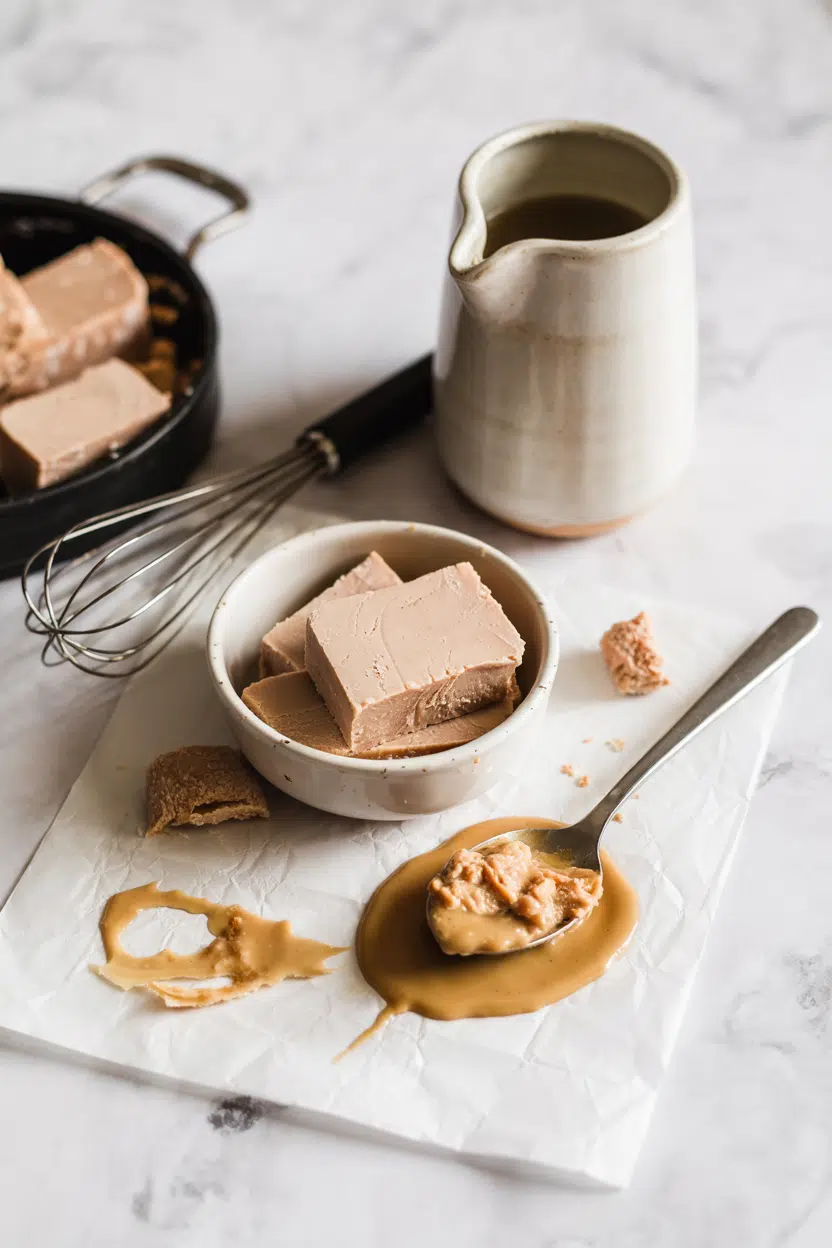
In pastry, it produces a short, crumbly crust that holds up under heavy fillings. If you've worked with lard alternatives or schmaltz replacements and found them lacking that firm, clean bite, suet is worth understanding on its own terms.
Suet is the firm kidney fat from beef or mutton, used raw in doughs and rendered into tallow for frying. It has a mild, clean animal flavor that disappears into dishes, making it useful for savory pies, steamed puddings, and dumplings.
What Is Suet?
Beef suet is the dense, white fat that surrounds the kidneys and loins of cattle or sheep. Unlike softer body fat, it has a high melting point - around 45-50°C (113-122°F) - which is what makes it behave differently from butter or lard in recipes.
Remember it later
Planning to try this recipe soon? Save it for a quick find later!
It belongs to the category of renderable animal fats, alongside lard and tallow. Mutton suet behaves similarly to beef suet but is slightly softer and carries a faint lanolin note that disappears when cooked.
You'll find it sold under several names at the butcher:
- 🥩 Beef suet - the most common form; clean white fat from cattle kidneys
- Mutton suet - from sheep; slightly softer, traditional in British puddings
- Kidney fat - the same product, named by its anatomical source
- Atora - a UK brand of pre-shredded, shelf-stable suet used widely in home baking
- Tallow - the rendered, clarified form; what suet becomes after slow melting and straining
Raw suet has a firm, waxy texture and crumbles when pressed. It is not the same as dripping, which is collected from roasting pan juices, or shortening alternatives derived from vegetable sources.
Its British and northern European roots go back centuries, anchoring dishes from beef puddings to mincemeat.
What Does Suet Taste Like?
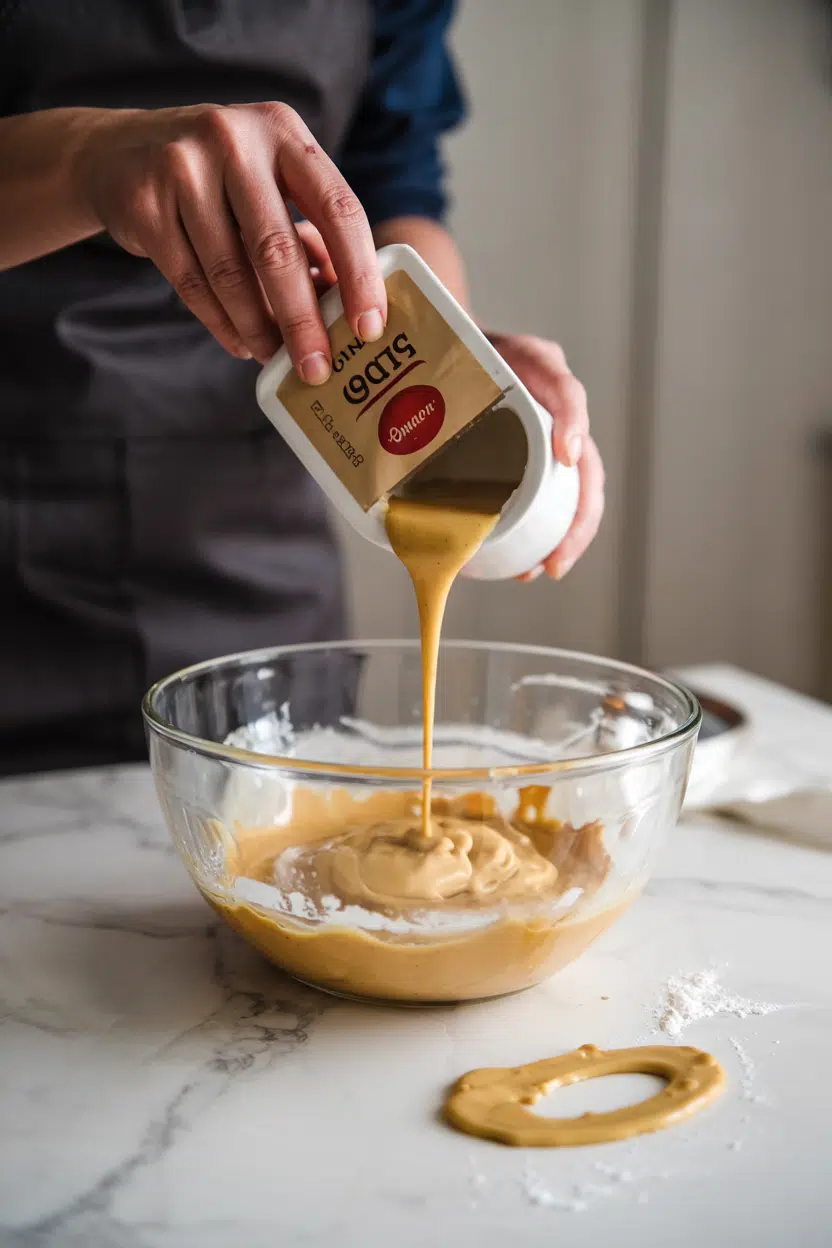
Raw suet has a mild, clean animal fat flavor - faintly meaty, low in sweetness, with no strong aftertaste. It tastes closer to fresh beef fat than to cured bacon fat, and noticeably less rich than rendered lard.
Heat changes it. Rendered suet (tallow) becomes almost neutral in aroma and flavor, which is why it works in both savory and sweet dishes without dominating either. The slight beefy note present in raw form largely burns off during cooking.
One practical note: suet in a steamed pudding doesn't taste "fatty." The high melting point means it releases slowly during steaming, coating the crumb without pooling. That's the structural role no neutral oil can replicate.
How to Use Suet
Suet shows up in two forms in the kitchen - raw and shredded, or rendered into tallow - and each has distinct applications.
British and Irish cooking rely on it most heavily, though Central and Eastern European recipes also call for rendered suet fat in traditional preparations.
Raw, shredded suet goes directly into doughs and batters. In a classic steak and kidney pudding, it's folded into flour and water to create a suet crust - dense, short, and steam-resistant. The same approach applies to boiled dumplings, where suet produces a fluffier texture than butter. For sweet preparations, shredded suet appears in spotted dick and traditional Christmas mincemeat, paired with stone fruits, raisins, black pepper, and nutmeg.
| Method | Best For | Tip |
|---|---|---|
| 🧀 Raw / Shredded | Suet crust pastry, dumpling dough, steamed puddings, mincemeat | Keep refrigerator-cold; grate on a coarse box grater |
| 🔥 Rendered (Tallow) | Deep frying, roasting potatoes, searing meat | Strain through cheesecloth while hot to remove solids |
| ♨️ Steamed | Savory puddings, sweet sponge puddings | Use a well-greased basin and a tight foil seal |
| 🍳 Pan Fried | Frying eggs, browning sausages, sautéed onions | A small cube of raw suet renders quickly in a hot pan |
Rendered tallow from suet has a high smoke point, making it a reliable fat for deep frying and roasting. Potatoes roasted in tallow develop a harder, crispier crust than those done in vegetable oil. When a recipe needs something other than tallow, check these beef tallow alternatives for comparable options. Beyond cooking, suet mixed with oats and seeds sets into bird suet cakes - a cold-weather use that requires no cooking at all.
How to Buy and Store Suet
Skip the supermarket. A butcher is the right source for fresh suet - ask specifically for kidney fat or loin fat trimmed from beef or mutton.
Fresh suet should be snowy white with a firm, dry texture. Avoid any pieces showing yellow tones, brown patches, or a sour metallic smell.
For storage, wrap tightly in butcher paper or vacuum seal before refrigerating. Suet keeps for 1-2 weeks in the fridge and 6-12 months in the freezer when portioned before freezing.
Freeze in usable amounts - a 200g block works well for a single pudding or pastry batch.
If you want full details on storage timelines and signs of spoilage, see this guide on suet freshness guide. For dumpling-specific storage questions after cooking, the same logic applies as for dumplings freshness guide more broadly.
Pre-shredded shelf-stable suet (like Atora) is a practical alternative. It has a longer pantry life, though the flavor is slightly more processed than fresh.
Where to Start With Suet
New to suet? Start with dumplings.
They're forgiving, fast, and the suet flavor is barely detectable in the finished dish - a low-stakes way to see how the fat behaves in dough. From there, a basic suet crust for a savory pie is the natural next step.
If your first priority is rendering rather than baking, start with a small batch of tallow. It stores well and gives you a working fat for everyday frying before you commit to full pudding-making.
Need a stand-in for a specific dish? These suet alternatives cover the most practical swaps by recipe type.
Frequently Asked Questions
No. Suet is the raw, solid kidney fat; tallow is what you get after rendering suet slowly and straining out the connective tissue. Tallow is shelf-stable, pourable when warm, and has a higher smoke point than raw suet.
Technically yes, but it's not eaten raw on its own. Raw suet is used uncooked in pastry doughs and mincemeat, where it melts during baking or steaming rather than being consumed in its raw state.
It's the hard fat that surrounds the kidneys and loins of cattle or sheep. Structurally it's mostly saturated and monounsaturated fat, with a higher melting point than most other animal fats due to its dense fatty acid composition.
Chop or grate the raw suet, then melt it in a heavy pan over the lowest heat possible, stirring occasionally. Once fully liquid, strain through cheesecloth into a clean jar - the result is clear, golden tallow.
Not with animal suet. Vegetable suet products exist - typically hydrogenated palm or vegetable fat blended with rice flour - and they work in suet pastry and puddings, though the flavor is noticeably more neutral.



