
Silky, sweet, and gently boozy, Irish cream hits the glass with a scent that's half dessert, half whiskey bar. That first pour - whether into a mug of hot coffee or over a scoop of vanilla ice cream - carries warm caramel and soft cocoa alongside the unmistakable roundness of Irish whiskey.
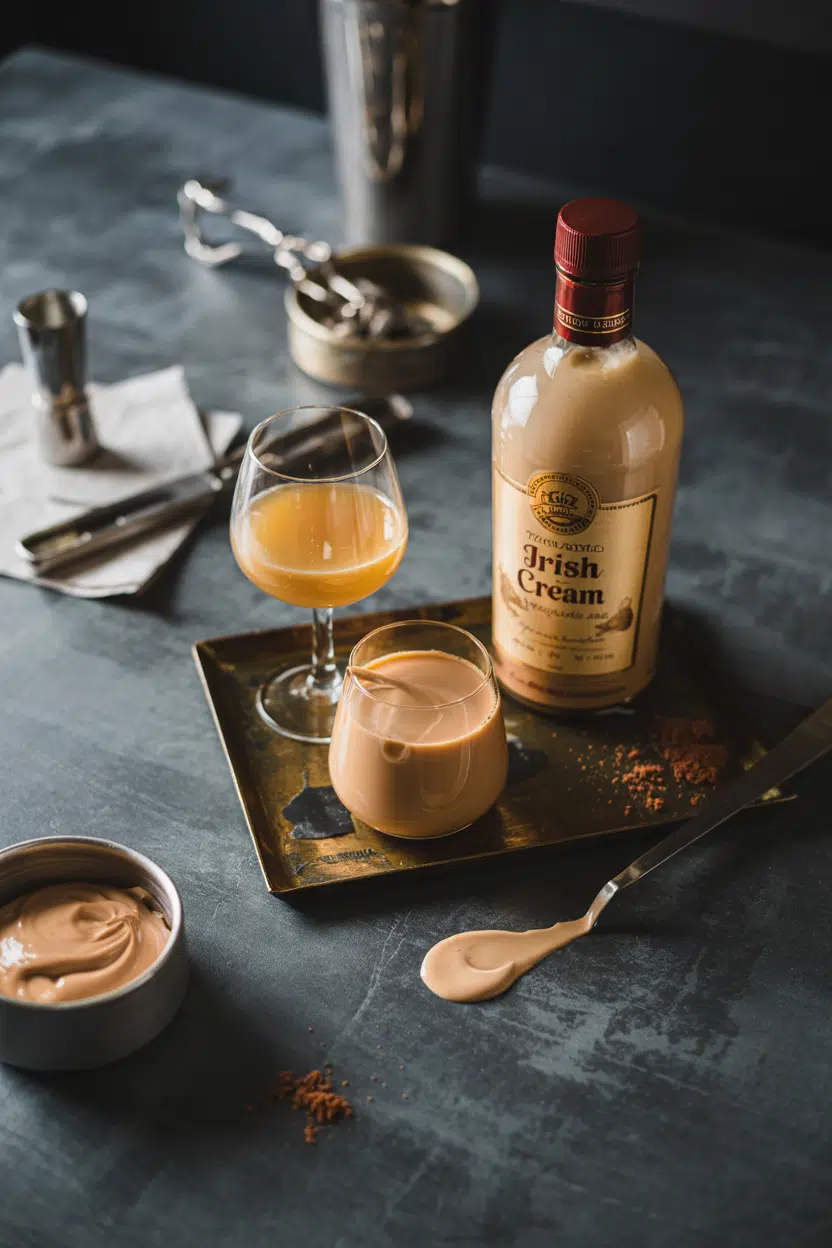
For anyone reaching past the standard bottle of amaretto or crème de cacao for something richer, this liqueur earns its place.
Irish cream is a cream liqueur made from Irish whiskey, fresh dairy cream, and flavorings like cocoa and coffee. It tastes sweet, smooth, and lightly boozy with caramel and chocolate notes. Use it in cocktails, baked goods, and dessert sauces. Refrigerate after opening and use within 6 months.
What Is Irish Cream?
Irish cream is a cream liqueur originating in Ireland, first commercially produced in the 1970s - Baileys Irish Cream launched in 1974 and remains the world's best-selling liqueur. It blends Irish whiskey with fresh dairy cream, sugar, and natural flavorings that typically include cocoa and coffee.
Remember it later
Planning to try this recipe soon? Save it for a quick find later!
An emulsifier, usually lecithin, holds the cream and alcohol stable in the bottle.
ABV sits between 15 and 20 percent, making it far milder than straight whiskey. You'll also find it labeled as Irish cream liqueur, Irish whiskey cream, or Baileys-style cream - all refer to the same category.
A newer wave of plant-based versions uses oat or almond milk in place of dairy, aimed at vegan drinkers.
The category has a few distinct expressions worth knowing:
- Classic Irish cream - the standard, built on fresh cream and blended whiskey
- Chocolate or dark chocolate variants - heavier cocoa character, closer to a dessert liqueur
- Coffee-forward styles - espresso or cold brew blended in, leaning into the existing coffee notes
- Plant-based versions - dairy-free, often slightly thinner in texture than the original
What Does Irish Cream Taste Like?
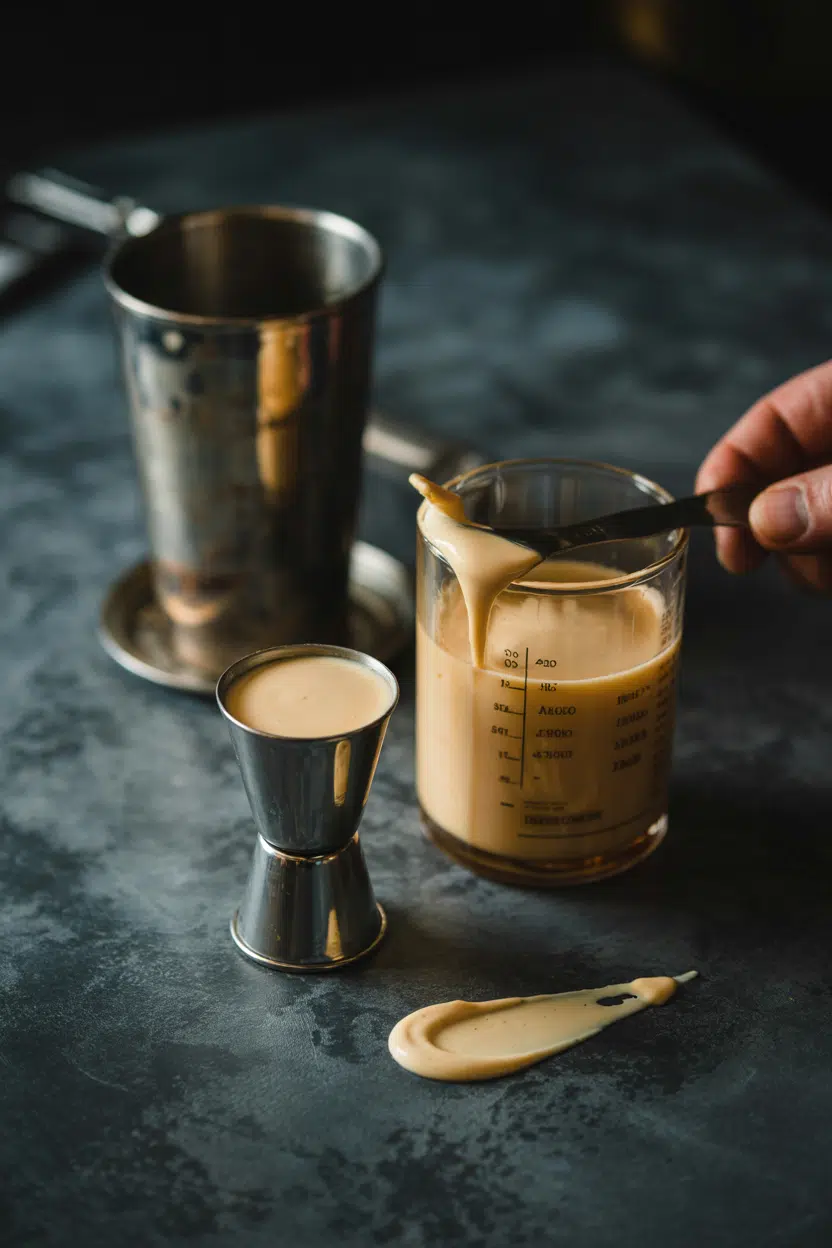
Irish cream tastes like sweetened heavy cream with a whiskey backbone and a soft, lingering finish of chocolate and coffee. The dairy element dominates upfront - smooth, slightly sweet, and mouthcoating - before the whiskey warmth settles in at the back of the palate.
The cream storage guide principle applies here too - fresh dairy turns, and you can detect it. An off bottle smells sour rather than sweet, and the texture becomes grainy.
Served cold, Irish cream is noticeably sweeter. At room temperature or warmed into coffee, the whiskey character opens up and the cocoa notes deepen.
How to Use Irish Cream
Irish cream is most at home wherever coffee and chocolate already live. The classic move is stirring it into hot coffee or espresso - less structure than a formal Irish coffee, but just as rewarding on a slow morning.
For anyone building that proper layered drink, our Irish Coffee with Cream recipe is worth bookmarking.
In the kitchen, it works across a wider range of techniques than most people expect.
| Method | Best For | Tip |
|---|---|---|
| 🥂 Poured | Coffee drinks, over ice cream, neat in a glass | Serve well chilled; shake the bottle gently before pouring |
| 🍫 Stirred into sauces | Chocolate ganache, caramel sauce, ice cream topping | Keep heat low - never boil; add at the end of cooking |
| 🧁 Baked in batters | Brownies, pound cake, muffins | Replaces part of the liquid; reduces oven temp slightly |
| 🍮 Folded into creams | Whipped cream, mousse, tiramisu-style desserts | Use in place of or alongside [coffee liqueur](https://forkliftkitchen.com/creme-de-cacao-substitutes/) for layered desserts |
Irish-inspired drinks and desserts are the obvious home, but American dessert baking and European café-style preparations use it widely. It pairs cleanly with dark chocolate, espresso, caramel, toffee, and vanilla ice cream. Toasted hazelnuts and almonds also complement the liqueur's own nuttiness well.
One area to avoid: high-acid preparations. Raw citrus or fruit-heavy mixtures cause the dairy to split, curdling the cream and ruining the texture.
How to Buy and Store Irish Cream
Check the ABV on the label first - reputable bottles list 15-20%. An intact seal and a clean, separation-free bottle interior are the two fastest quality checks.
Avoid any bottle with a bulging cap or visible clumping; those are signs of compromised storage or an aged batch past its best.
Storage is straightforward:
- Unopened - store in a cool, dark place away from heat and direct sunlight; shelf life runs about 1-2 years
- After opening - refrigerate upright with the cap closed
- Use-by window - opened bottles are best within 6 months; after that, flavor fades and the cream can turn
The full breakdown of irish cream storage life covers edge cases like partially frozen bottles and temperature swings. If you're comparing to a non-dairy alternative for longer storage, the irish cream replacements guide is a useful reference.
Understanding pairings for coffee also helps if you're building a broader drinks menu around it.
Start Here if You're New to Irish Cream
Buy a standard bottle of Baileys or any classic cream liqueur and pour it cold over ice cream or into hot coffee first.
That single experiment tells you whether you want more whiskey presence, more chocolate depth, or more sweetness before you spend time baking with it.
From there, the cacao versus cocoa distinction matters when you start pairing it in desserts - darker, less-sweetened cacao powder balances the liqueur's own sugar load better than standard cocoa.
Frequently Asked Questions
Baileys Irish Cream is a brand - the original and most recognized in the Irish cream category, launched in 1974. Irish cream is the broader category it belongs to. Other brands like Carolans and St. Brendan's follow the same formula with minor differences in sweetness and whiskey ratio.
No. It's a cream liqueur that contains Irish whiskey as one component. The finished product is far lower in alcohol - 15-20% ABV versus 40%+ for straight whiskey - and the dairy cream defines its flavor more than the spirit does.
Once opened, yes. The dairy content makes refrigeration necessary after opening. An unopened, sealed bottle can be stored at cool room temperature, but refrigerating it doesn't hurt.
Yes, with one key limit: avoid boiling it. Add it to batters, cold creams, and low-heat sauces without issue. High heat causes the dairy to curdle and separates the fat.
Irish cream at 15-20% ABV sits just above most wines, which typically land between 11-14%. It's noticeably milder than spirits but stronger than most beers and hard seltzers. A standard 1.5 oz serving contains about the same alcohol as a small glass of wine.



