
Spread cold from the tub, margarine has a mild, slightly fatty softness that coats bread cleanly without tearing it. That neutral quality is the whole point - it delivers fat and spreadability without the assertive dairy depth of butter, which makes it useful in kitchens where cost, dietary needs, or shelf stability matter more than richness.
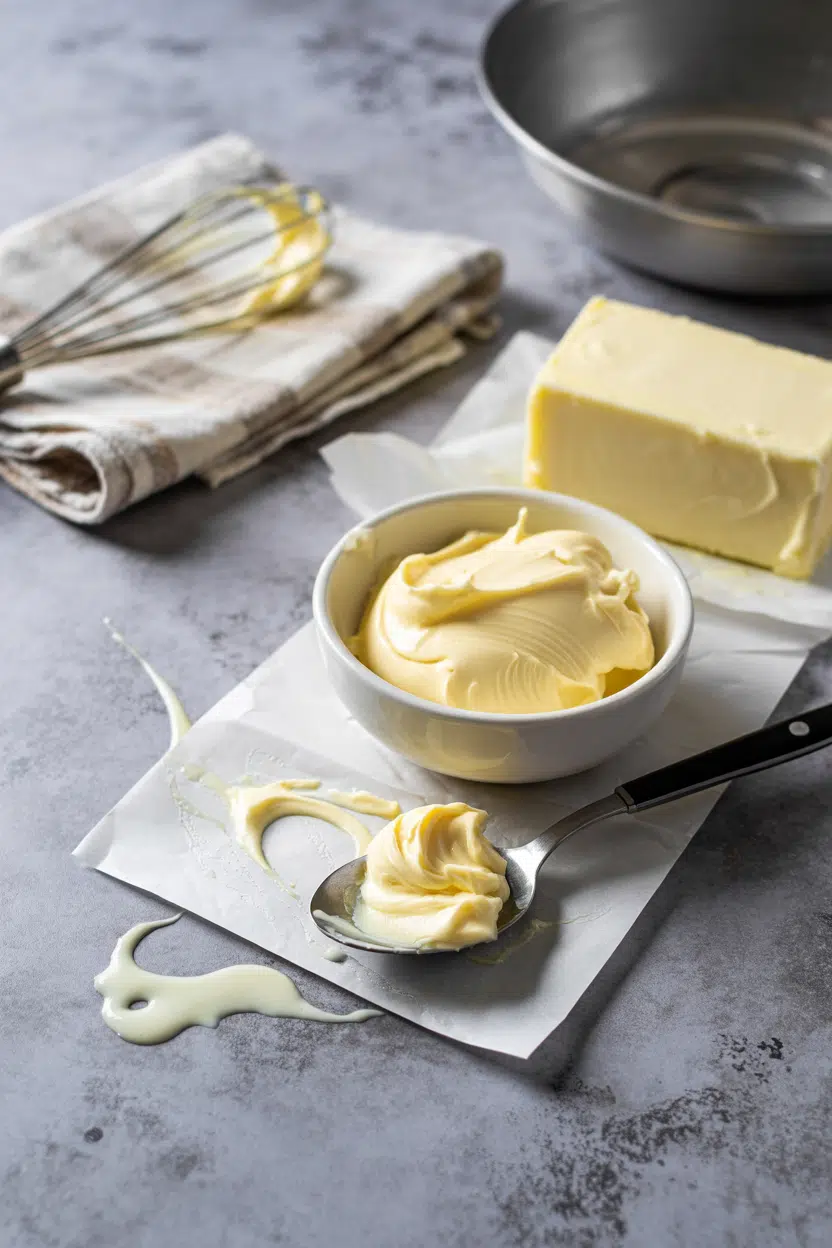
As a butter substitute in baking or a neutral cooking fat for everyday tasks, it earns a steady place in many homes.
Margarine is a plant-oil-based spread made to mimic butter. It tastes mildly fatty, faintly salty, and mostly neutral - with a flatter flavor than butter and no dairy complexity. Best for spreading, everyday baking, and pan-frying when a neutral fat suits the dish.
What Is Margarine?
Margarine is a manufactured fat spread created in France in the late 1860s as a cheaper, shelf-stable alternative to butter.
Remember it later
Planning to try this recipe soon? Save it for a quick find later!
It's built from refined vegetable oils - often soybean, canola, or palm - emulsified with water, salt, and stabilizers to produce a scoopable or sliceable product that behaves like butter in most kitchen tasks.
It goes by a few names: oleo, table margarine, or margarine spread. Some older American recipes still call for it as oleo, a holdover from the early 20th century.
Unlike shortening, which is a pure fat solid with no water content, margarine contains moisture - typically 16-20% - which affects how it performs in pastry and high-heat cooking.
Two main forms exist, each suited to different jobs:
- Stick margarine - denser, lower water content, measures like butter; best for baking
- Tub (soft) margarine - higher water content, spreads easily cold; best for toast and quick applications
- Non-hydrogenated varieties - made without partial hydrogenation, avoiding artificial trans fats
What Does Margarine Taste Like?
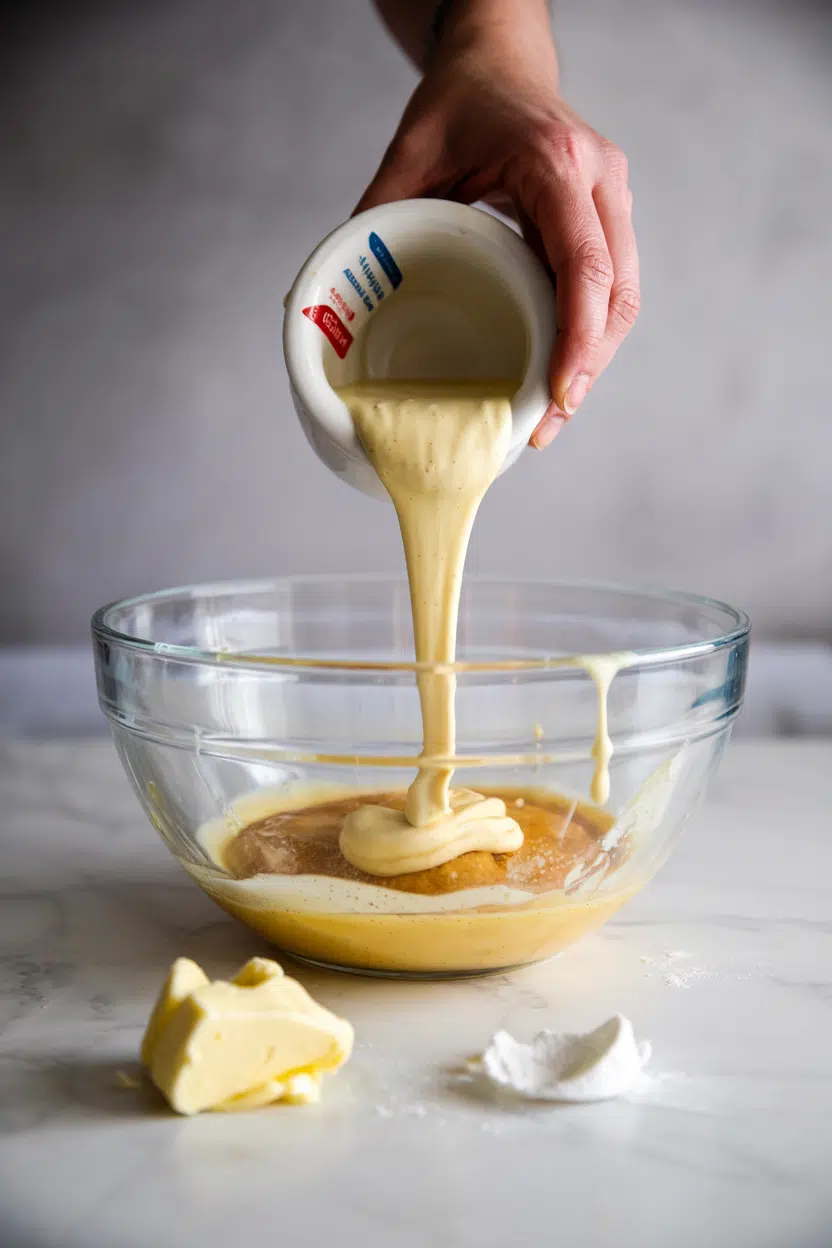
Margarine tastes closest to softened, lightly salted butter - but with notably less complexity. Butter carries dozens of volatile compounds from dairy fat; margarine, made from refined plant oils, lacks those layers entirely.
The flavor is best described as mildly fatty and faintly salty, with a clean but somewhat flat finish. Some formulas add natural or artificial butter flavoring, which narrows the gap slightly.
Others that include bacterial cultures for tang can have a very faint sourness.
When heated, the butter-forward aroma fades quickly. What remains is a faint, almost neutral oiliness - noticeably different from the nutty, caramelized scent of browned butter.
How to Use Margarine
Margarine covers most of the same ground as butter in everyday cooking, though it performs better in some tasks than others.
For spreading cold on bread, bagels, and corn on the cob, soft tub varieties are hard to beat - they glide on evenly without tearing.
In baking, stick margarine works as a one-to-one replacement for butter in cookies, muffins, and quick cakes. The higher fat content in sticks keeps ratios close enough that texture differences are minimal.
Tub margarine, however, has too much water for reliable baking - it can make cookies spread flat or muffins turn dense.
Pan-frying vegetables, sautéing fish, and greasing pans are where margarine's neutrality works in its favor. It won't compete with delicate flavors the way a strong dairy fat might.
| Method | Best For | Tip |
|---|---|---|
| 🧈 Cold Spread | Toast, bagels, corn, dinner rolls | Use tub form; spreads cleanly without tearing |
| 🍪 Baking Fat | Cookies, muffins, quick breads, cakes | Stick margarine only; measure by weight for accuracy |
| 🍳 Pan-Frying | Vegetables, eggs, delicate fish | Medium heat only; burns faster than butter |
| 🫕 Sauces | Non-dairy pan sauces, pasta coatings | Melt last off the heat to maintain emulsion |
| 🍳 Greasing | Cake pans, baking sheets, muffin tins | Thin, even coat - neutral flavor won't affect crust taste |
Margarine pairs naturally with garlic and herbs in compound spreads, with jam and marmalade on breakfast bread, and with sugar and vanilla in baked goods. For pasta, a quick melt with garlic creates a serviceable sauce when nothing else is on hand.
For dishes where butter's dairy richness is the lead flavor - beurre blanc, shortbread, or a classic butter substitute application - margarine falls short. The flat finish is noticeable.
How to Buy and Store Margarine
Form determines function at the point of purchase. Tub margarine is for spreading; stick margarine is for baking and measured cooking. Check the label for two things: water content and hydrogenation status.
Varieties labeled "non-hydrogenated" or "trans fat free" avoid artificial trans fats, which older partially-hydrogenated formulas contain. A uniform pale-yellow color and no liquid separation at the seam are good signs of proper handling.
Storage is straightforward - keep it sealed in its original container in the refrigerator. Margarine absorbs odors readily, so store it away from strong-smelling foods.
Opened tubs transferred to an airtight container last longer.
For a detailed look at how long it stays usable, see our guide on margarine storage guide. In general, refrigerated margarine holds for 1-3 months after opening, while unopened packages last until the printed date.
When to Reach for Margarine
Margarine makes the most sense in three situations: you need a dairy-free fat, you're baking on a budget, or you want a neutral-flavored fat that won't add color or dairy notes to a dish.
It's less suited when the recipe leans on butter's depth - browned butter sauces, laminated pastries, or anything where the fat IS the flavor. In those cases, reviewing margarine alternatives or moving to actual butter gives a better result.
Use stick forms for baking, tub forms for spreading, and always check the label for hydrogenation before you buy.
Frequently Asked Questions
Butter gets its complex flavor from dairy fat, which contains hundreds of volatile compounds. Margarine is made from refined plant oils stripped of those compounds, leaving a flatter, less nuanced taste. Added flavoring can narrow the gap, but it doesn't replicate butter's depth.
Yes, with stick margarine at an equal swap by weight. Tub margarine has too much water and will cause cookies to spread flat. The flavor will be slightly more neutral, but texture holds up well in most drop-cookie recipes.
Older partially-hydrogenated margarines do. Most modern formulas use non-hydrogenated oils and are labeled "trans fat free." Always check the nutrition label - small amounts can still appear if a serving contains less than 0.5g.
It depends on the formula. Non-hydrogenated margarine is lower in saturated fat than butter, which some health guidelines favor. However, older hydrogenated versions with trans fats are considered worse. Neither is universally "healthier" - context and formulation both matter.
It can in many recipes, though margarine's water content changes texture slightly - typically producing a less flaky, softer crumb. For pie crust or laminated doughs, pure [shortening](https://forkliftkitchen.com/shortening-substitutes/) holds a structural edge over margarine.



