
Shortening has almost no scent when you open a fresh tub - just a faint, clean stillness that sets it apart from butter or lard immediately. That neutrality is the whole point.

This solid fat built its reputation in American kitchens on what it doesn't do: it doesn't add dairy flavor, it doesn't brown the way butter does, and it doesn't melt out of pastry dough before the oven does its job.
Shortening is a solid vegetable fat with a neutral flavor and high melting point. It's the go-to fat for flaky pie crusts, stable frostings, and tender cookies where buttery flavor isn't the goal. Modern non-hydrogenated versions reduce trans fat concerns.
What Is Shortening?
Shortening is a solid fat produced from hydrogenated or interesterified vegetable oils - most commonly soybean, cottonseed, or palm oil. The hydrogenation process adds hydrogen to liquid oils, forcing them into a solid state at room temperature.
Remember it later
Planning to try this recipe soon? Save it for a quick find later!
That's what gives it a consistency similar to softened butter, but without any of the dairy.
The name comes from its function in baking: shorting the gluten strands in flour, which creates a tender, crumbly crumb rather than a chewy one. You'll see it sold as vegetable shortening, baking shortening, or hydrogenated shortening.
Traditional formulas contained significant trans fats. Many modern margarine swaps and shortening brands have now shifted to non-hydrogenated or palm-based versions to reduce that concern.
Shortening is distinct from lard, which is rendered animal fat, and from margarine, which is an emulsified water-and-fat spread. Shortening is pure fat - no water content, no emulsifiers in the basic form.
- Hydrogenated shortening - The original formula; solid and shelf-stable, historically higher in trans fats.
- Non-hydrogenated shortening - Uses interesterification instead; lower trans fat, similar texture.
- Palm-based shortening - Common in commercial baking; solid at room temperature naturally.
- Emulsified shortening - Contains added lecithin; used in professional cake batters for finer crumb.
What Does Shortening Taste Like?
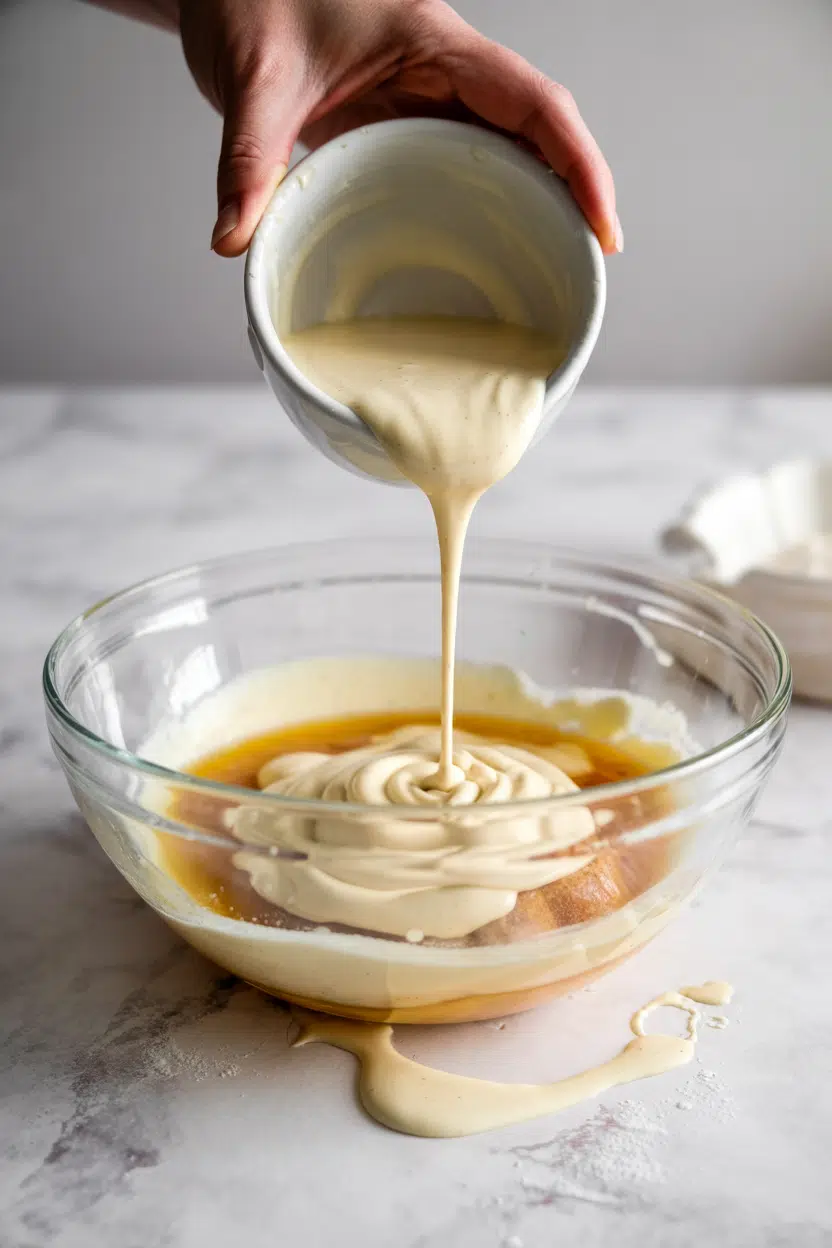
Shortening is essentially flavorless. That's not a criticism - it's a technical asset. There's a faint, mildly fatty quality on the palate, but no sweetness, no saltiness, and none of the rich dairy notes you'd get from butter.
Compared to unsalted butter, shortening tastes noticeably flat. It sits closer to a neutral vegetable oil in character, but with a heavier, coating mouthfeel because it stays solid longer.
Older tins can develop a very faint roasted or stale note - a sign of oxidation, not freshness.
Heat doesn't change its flavor meaningfully. In a finished baked good, shortening contributes texture - tenderness, flakiness, a clean break - far more than any identifiable taste.
How to Use Shortening
Pie crusts are where shortening earns its reputation. Its high melting point means it stays solid as you cut it into flour, creating distinct fat pockets that steam apart during baking and produce a reliably flaky, crisp crust. Butter melts faster and can blur those layers; shortening holds them longer.
Cookie doughs made with shortening spread less than butter-based doughs. The result is a thicker, more tender cookie rather than a crisp, browned one.
For frostings, shortening-based buttercream holds its shape at room temperature far better than all-butter versions - a standard in American bakeries for layer cakes that need to sit out.
Deep frying is another application. Shortening's high smoke point and neutral flavor make it suitable for commercial donut production and pan-frying where you don't want added flavor.
It's also used for greasing baking pans in place of butter or spray, especially when a flavorless coating matters.
| Method | Best For | Tip |
|---|---|---|
| 🥧 Cut In | Pie crusts, biscuits, scones | Keep shortening cold; work quickly to preserve fat pockets |
| 🍪 Creamed | Cookie dough, cake batters | Cream with sugar until light before adding wet ingredients |
| 🍩 Deep Fried | Donuts, fried dough | Maintain oil temperature; shortening holds heat evenly |
| 🎂 Frosting Base | Stable buttercream, decorating icing | Mix with powdered sugar; add small amounts of liquid to thin |
| 🍳 Pan Coating | High-heat greasing, non-stick layer | Apply thin coat; excess pools and smokes at high heat |
Shortening doesn't suit every application. Skip it in recipes that rely on butter's dairy flavor - croissants, beurre monté, or brown-butter sauces won't work.
It also fails in vinaigrettes and other liquid-fat applications. If you need a swap, check our guide to shortening alternatives for context-specific options.
How to Buy and Store Shortening
Look for solid tubs or blocks labeled "vegetable shortening" at most grocery stores. Non-hydrogenated options are now widely available and worth choosing over traditional formulas.
Check packaging carefully - avoid cans or tubs with rust, dents, or any swelling, which signals oxidation inside.
Store shortening in a cool, dark cupboard in its original sealed tub or an airtight container. Refrigeration isn't necessary and can make it harder to work with.
Opened shortening stays usable for several months if kept sealed. For a detailed breakdown of timelines and signs of spoilage, see our full shortening freshness guide guide.
Choosing Shortening for Your Baking
If your recipe demands structure over flavor - a flaky pie crust, a stable frosting, a thick cookie - shortening is the correct tool. It won't bring dairy richness, and that's fine.
If you need something closer to butter's taste, butter replacements are worth reviewing before you commit. For dairy-free baking where flavor still matters, non-hydrogenated shortening with a small amount of neutral oil gets you closer to the real thing.
Start with the pie crust. That's where shortening shows you exactly what it can do.
Frequently Asked Questions
Traditional hydrogenated shortening contains trans fats, which are linked to cardiovascular risk. Modern non-hydrogenated versions reduce that concern significantly. It's still calorie-dense at around 120 kcal per tablespoon, so use it where the texture benefit is worth it.
Yes, with trade-offs. Butter adds flavor but melts faster, so cookies spread more and pie crusts may be less flaky. Use a 1:1 swap by weight and expect a richer, slightly different texture.
Generally, yes. Shortening's higher melting point keeps fat pockets intact longer during baking, producing more defined flake layers. Butter delivers more flavor but can merge into the dough before those layers fully set.
No. Margarine is an emulsified blend of water and fat, formulated to mimic butter's spreadability. Shortening is pure fat with no water content, designed for baking structure rather than spreading.
Yes. Exposure to heat, light, or air accelerates oxidation, producing an off or stale smell. A properly sealed tub stored in a cool cupboard resists this well for several months after opening.



