
Most people assume marzipan is just sweet and straightforward - something to peel off a Christmas cake and set aside. That's the wrong read. Marzipan carries a layered almond depth that ranges from sugary warmth to a faint bitter edge depending on the recipe and its almond ratio.

Understanding what drives that complexity changes how you use it, buy it, and appreciate why bakers have centered it in stollen and decorated confections for centuries.
Marzipan is a smooth almond-sugar paste with moderate sweetness, a faint bitter almond note, and a dense, pliable texture. It's used as a cake covering, shaped into figures, or tucked inside baked goods. Shelf life runs from a few months unopened to 3-6 weeks once opened and refrigerated.
What Is Marzipan?
Marzipan is an almond-sugar confection made by blending finely ground almonds or almond meal with sugar, and often a small amount of egg white or syrup to bind the paste into a smooth, workable dough.
Remember it later
Planning to try this recipe soon? Save it for a quick find later!
It sits in a category of its own - not a frosting, not a candy - but a moldable paste that bakers use both as a structural layer and as a flavoring element.
The ingredient has two well-documented homes. Lübeck, Germany is the most cited European origin, where strict regional standards still govern production, and Toledo, Spain, where mazapán (the Spanish spelling) is a protected holiday confection shaped into rounds and lightly toasted.
Italian and Scandinavian baking traditions also lean on it heavily.
One persistent confusion is the relationship between marzipan and almond paste. They're related but not interchangeable:
- Almond paste - higher almond content, less sugar, coarser texture, primarily used as a filling
- Marzipan - higher sugar ratio, smoother and firmer, capable of being rolled or sculpted
- Lübeck marzipan - must contain at least 70% almonds by EU standard, making it richer than most commercial versions
- Mazapán (Toledo) - made from raw almonds and sugar only, no egg white, slightly crumblier
What Does Marzipan Taste Like?
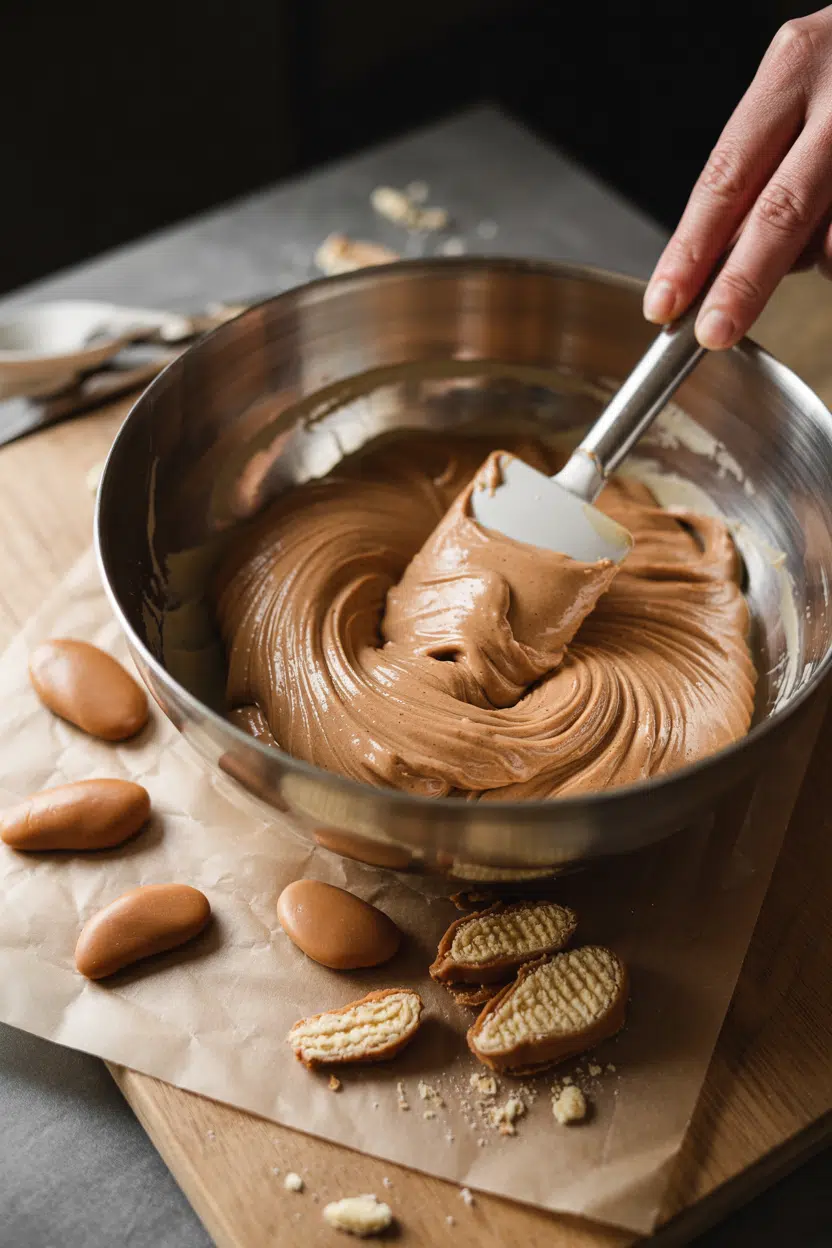
Marzipan tastes like sweetened almonds - not the sharp synthetic note of almond extract, but a rounder, fuller version of the nut itself. The sugar smooths out any roughness, leaving a warm, faintly floral sweetness in the front of the palate.
That mild bitter note comes from the almond skin and the natural compounds in the nut - present in varying degrees depending on almond variety and how finely the meal is ground.
High-quality marzipan with a strong almond ratio tastes closest to a sugared whole almond; cheaper commercial versions skew sweeter and blander.
Brief exposure to heat shifts the profile noticeably. Browning under a torch or in the oven coaxes out a toasty, caramelized layer that deepens the almond note and adds a slightly nutty edge that raw marzipan lacks.
How to Use Marzipan
Marzipan earns its place in the kitchen through structural reliability as much as flavor. It rolls thin without tearing, holds sculpted detail, and bonds to cake surfaces without sliding.
Most applications fall into a handful of distinct methods.
| Method | Best For | Tip |
|---|---|---|
| 🧵 Rolling | Covering fruit cakes, layer cakes before fondant | Dust the surface with powdered sugar, not flour |
| 🔥 Baking | Stollen filling, Danish pastries, almond croissants | Keep layers thin so it softens without leaking |
| 🎨 Shaping | Molded fruit figures, painted confections, holiday displays | Knead briefly to warm it - cold marzipan cracks |
| 🍫 Enrobing | Chocolate-covered marzipan truffles and bars | Chill shaped pieces before dipping for cleaner edges |
| 🥣 Stirring In | Boosting almond flavor in frangipane tarts or batters | Grate or crumble it first for even distribution |
German bakers center marzipan inside stollen, where a log of it runs through the middle of the loaf. Italian panettone sometimes includes a marzipan glaze or almond filling.
In British baking, a rolled marzipan layer sits between the fruit cake and the fondant - acting as a moisture barrier and flavor bridge.
Pairing works best with ingredients that contrast or amplify the almond base. Dark chocolate is the most reliable partner. Citrus zest - orange especially - cuts through sweetness and lifts the floral notes. Rum or brandy soak into marzipan fillings without making them soggy. Apricot preserves, brushed on before rolling, act as a glue and add a tart counterpoint.
How to Buy and Store Marzipan
Good marzipan looks pale ivory, feels smooth and pliable in the package, and lists whole almonds or almond meal near the top of the ingredient list.
Avoid blocks that look chalky, feel dry, or lead with "almond flavor" - that typically signals a low-nut product padded with sugar.
For molded or sculpted marzipan, check for sugar bloom - a white powdery film on the surface that signals moisture exposure. It's safe to eat but signals poor storage and often a dried-out, crumbly interior.
- Unopened - store in a cool, dark pantry in its original airtight packaging; lasts several months
- Opened - wrap tightly in plastic wrap, then refrigerate; use within 3-6 weeks
- Frozen - double-wrap and freeze for up to 6 months; thaw overnight in the fridge
Full shelf life details, including signs of spoilage, are covered in our marzipan freshness guide guide.
Start Here If You're New to Marzipan
If you're working with marzipan for the first time, start with a chocolate-enrobed piece - it's the most forgiving format, requires no rolling skill, and puts the almond flavor front and center without distraction.
From there, a rolled cake covering is the logical next step. When experimenting with flavor, orange zest and dark chocolate are the safest entry points.
For a deeper look at how frangipane differs from marzipan - two related but distinct almond preparations - that comparison is worth reading before you decide which one fits your recipe. If you can't find marzipan, check our guide to marzipan alternatives before improvising.
Frequently Asked Questions
No. Almond paste has a higher almond-to-sugar ratio and a coarser, softer texture suited to fillings. Marzipan contains more sugar, which gives it a firmer, smoother consistency that can be rolled and sculpted.
The mild bitterness comes from natural compounds in almond skins and the nut itself. High-quality marzipan with a strong almond ratio tastes more noticeably bitter than sweeter, lower-almond commercial versions.
Not always. Many commercial marzipan products use egg white as a binder. Vegan versions do exist - Toledo-style mazapán (almonds and sugar only) is naturally egg-free, so check the ingredient list.
Knead it with slightly damp hands for 1-2 minutes - warmth and a trace of moisture loosen the sugar crystals. For very dry marzipan, add a few drops of water or corn syrup and work them in gradually.
It works for cake covering but behaves differently - marzipan is denser, less stretchy, and browns under heat where fondant stays white. It also contributes strong almond flavor, which fondant does not.



