That first pour of half and half into hot coffee is one of the quieter pleasures of the morning - a thin ribbon of pale cream swirling down through dark liquid, softening the sharpness without masking it.
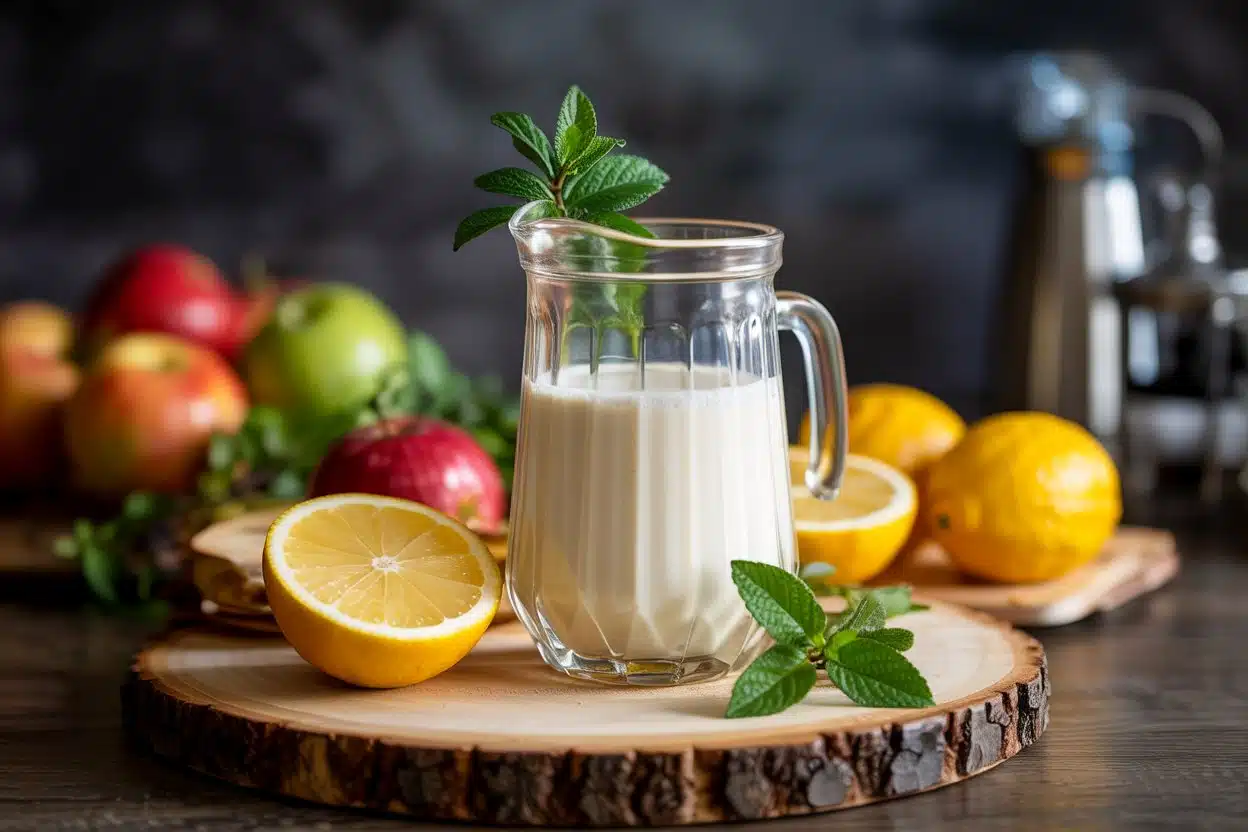
The texture shifts almost immediately, turning silky where the coffee was thin.
This is what light cream replacements and whole milk alternatives are often measured against - the particular creaminess that half and half delivers at a modest fat level.
Half and half is a refrigerated dairy blend of equal parts whole milk and light cream, standardized to around 10-12% milkfat. It adds creamy body to coffee, soups, and sauces without the heaviness of cream - a go-to for everyday richness at a lower fat level.
What Is Half and Half?
Half and half is a blended dairy product made from equal parts whole milk and light cream. In the United States, federal standards set its milkfat content between 10.5% and 18%, though most commercial cartons land near 10-12% milkfat.
Remember it later
Planning to try this recipe soon? Save it for a quick find later!
That places it firmly between whole milk (around 3.5% fat) and light cream (roughly 20%) on the dairy spectrum.
You'll see it labeled several ways - half & half, half-and-half, half n half - but they all refer to the same product. Most cartons are pasteurized, though ultra-pasteurized versions exist with extended refrigerated shelf life at the cost of a slightly cooked dairy note.
Some producers add a small amount of carrageenan as a stabilizer, though many formulas use none.
Half and half does not whip. Its fat content sits too low to trap air and hold structure, which sets a clear boundary on where it works well.
It's also worth knowing that milk alternatives and plant-based half-and-half alternatives behave differently in heat and won't replicate the same body.
What Does Half and Half Taste Like?
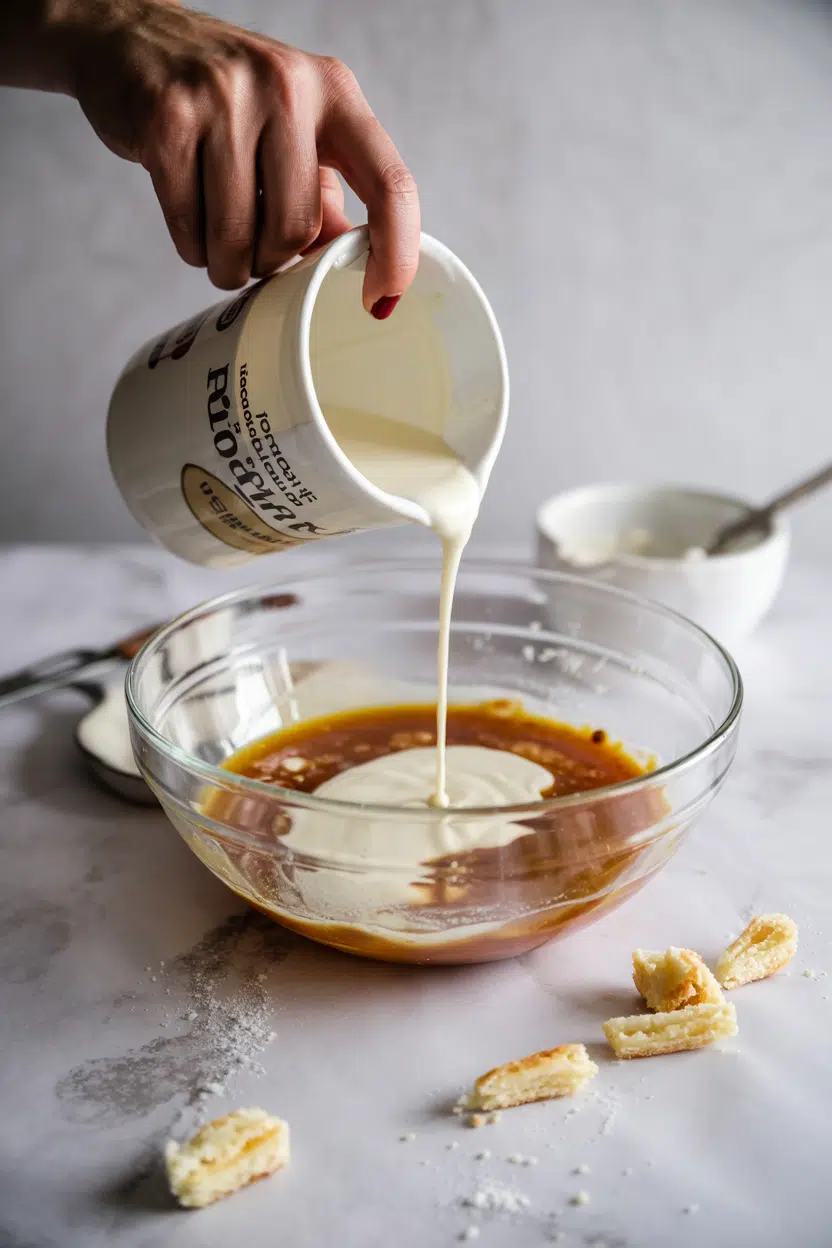
Half and half has a mild, lightly sweet dairy flavor - closer to whole milk than to cream, but noticeably richer than either alone.
There's a subtle butter note that emerges when it's warmed, and the overall profile stays clean without the heavier, almost fatty finish that light cream or heavy cream leaves behind.
In hot liquids, the silky quality becomes the dominant impression - it smooths and rounds without coating. Cold from the fridge, it tastes closer to whole milk.
The difference between a standard pasteurized carton and an ultra-pasteurized one is real: ultra-pasteurized half and half carries a faint cooked-milk note even before you heat it.
How to Use Half and Half
Coffee and tea are the most common destinations - half and half adds creamy body without the weight of cream or the thinness of milk. Beyond the cup, it earns its place across a range of everyday cooking.
| Method | Best For | Tip |
|---|---|---|
| 🥛 Cold Creamer | Coffee, tea, hot cereal | Pour in after brewing; no heating needed |
| 🍲 Stirred In (off heat) | Pan sauces, gravies, soups | Add at the end to prevent separation |
| 🥣 Gentle Warming | Cream soups, chowders, custards | Keep below a simmer; whisk to incorporate |
| 🧁 Folded Into Batters | Muffins, scones, quick breads | Swap for whole milk when you want more body |
In soups, half and half lightens a mushroom bisque or corn chowder without the density that heavy cream brings. For mashed potatoes, it loosens the texture and adds richness while keeping the result lighter than a cream-heavy version.
Quick custards and simple puddings work well too - just don't expect a thick, stable set, since the lower fat limits structure.
Pairings lean toward ingredients that let the dairy note speak: butter, thyme, chives, mild cheddar, chicken, and light seafood all work naturally. In baking, it functions well in scones and muffins where you want reduced-fat creaminess.
If you're short on it mid-recipe, checking half and half swaps or heavy cream replacements can save the dish.
Maple Baked OatmealHalf and half adds creaminess without making it heavy→Compound Butter (Herb)A small splash helps loosen the butter blend→Sweet Potato MashUse in place of heavy cream for a lighter mash→
How to Buy and Store Half and Half
Check the sell-by date first - look for the furthest date available and choose a carton that feels cold and undamaged. The color should be a uniform pale cream; any watery pooling or clumping inside suggests the emulsion has broken.
Avoid cartons that are bloated or carry an off-odor when opened.
Store opened cartons in the coldest part of the refrigerator - not in the door, where temperatures fluctuate. Use within 7-10 days of opening.
Freezing is possible but not recommended; the fat and water separate on thawing, leaving a grainy texture. For more context on how dairy products age, cream storage guide follows similar patterns.
Full guidance on timing is also covered at half and half storage guide.
- Buying tip - Pasteurized over ultra-pasteurized when freshness matters in cooking.
- Storage rule - Back of the fridge, sealed tight, away from strong-smelling foods.
- Discard sign - Sour smell or visible curdling means it's gone, regardless of the date.
Start With the Coffee Cup
Half and half earns its place because it solves a specific problem: you want creaminess, not richness. If your coffee tastes sharp with milk alone but heavy with cream, start here.
The same logic applies in the kitchen - reach for it when a dish needs body without weight.
For baking or sauce work, keep a standard pasteurized carton on hand rather than ultra-pasteurized - the flavor holds cleaner under heat.
Frequently Asked Questions
No. Half and half sits at 10-12% milkfat, while light cream starts at 18-20% and heavy cream at 36%+. It's richer than whole milk but noticeably thinner than any true cream product.
It can, but usually only when the half and half is close to spoiling or the coffee is extremely acidic. Fresh half and half poured into normal-strength coffee stays smooth and doesn't separate.
Yes, with a noticeable drop in creaminess. Whole milk works best for a straight swap; the result will be thinner in sauces and less rich in coffee. Adding a small amount of butter to whole milk closes the gap.
Seven to ten days refrigerated when kept sealed and stored below 40°F. Ultra-pasteurized cartons may push slightly longer, but the sniff test is the most reliable indicator.
No. Whipping requires at least 30% milkfat to trap air and hold peaks. At 10-12% fat, half and half will only froth slightly and won't hold any structure.