
Beef tallow does something no plant-based oil can replicate: it coats a hot pan with a beefy, savory base that becomes part of the crust on whatever you're cooking. Rendered from the fat surrounding beef kidneys or from trimmings, this solid cooking fat was the default frying medium across kitchens in Europe and North America for centuries before vegetable shortening displaced it.
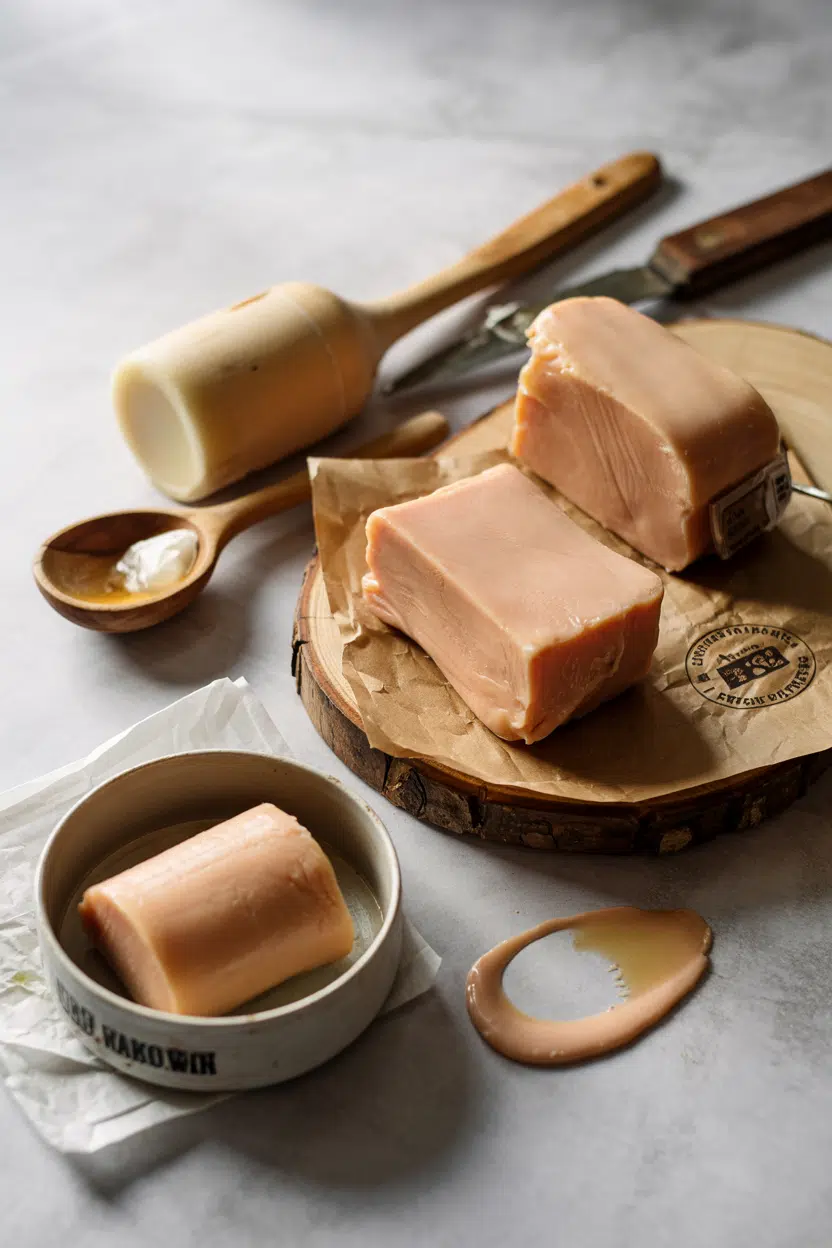
It's back in serious kitchens now - not as a trend, but because its high smoke point and flavor profile genuinely outperform neutral oils in specific applications.
Beef tallow is a rendered animal fat made from beef suet or trimmings. It's firm at room temperature, melts silky and smooth, and adds a rich, savory depth to frying, roasting, and pastry. Best for high-heat cooking where flavor and stability both matter.
What Is Beef Tallow?
Beef tallow is rendered beef fat - specifically, the fat tissue around the kidneys (called suet when raw and unrendered) or fat trimmings processed by low, slow heat until the pure fat separates from connective tissue and impurities. The result is a clean, shelf-stable block or jar of fat that stays solid at room temperature.
Remember it later
Planning to try this recipe soon? Save it for a quick find later!
It falls in the same category as lard swaps and duck fat alternatives - rendered animal fats prized for their cooking performance.
You'll see it labeled as rendered beef fat, beef drippings, or suet (though technically suet refers to the raw, unprocessed fat).
Quality varies by source - grass-fed cattle yield tallow with a slightly different fatty acid profile, with traces of CLA and small amounts of fat-soluble vitamins A and K2.
Tallow contains predominantly saturated fats (palmitic, stearic) and monounsaturated oleic acid, the same fatty acid found in olive oil. It has no carbohydrates or protein, making it compatible with keto and lactose-free diets.
- 🐄 Also called - rendered beef fat, beef drippings, or suet (raw form)
- 🌍 Historic range - staple across British, American, and rustic European kitchens
- 🧪 Fat composition - palmitic, stearic, and oleic acids dominate the profile
- 🌿 Grass-fed difference - higher CLA content and trace fat-soluble vitamins
What Does Beef Tallow Taste Like?
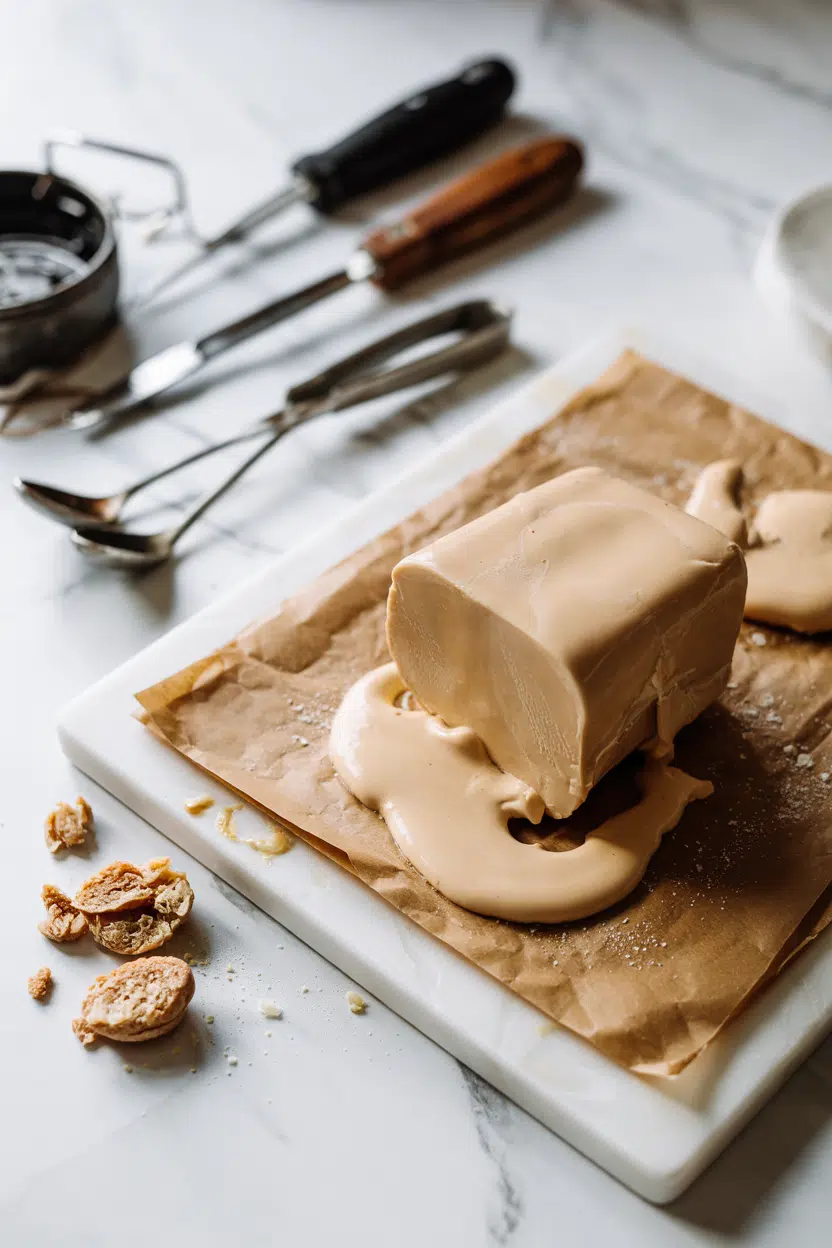
Raw tallow has almost no flavor. Rendered properly, it develops a mild, meaty warmth - savory in the way a good beef stock is savory, but quieter and less intense.
Think of it as somewhere between clarified butter (ghee) and beef drippings: it carries a beefy-forward note without the dairy sweetness of ghee.
Heat intensifies the aroma noticeably. At high temperatures, tallow smells roasted and warm - closer to a seared steak than raw fat.
That mineral back-note comes from trace beef marrow compounds and disappears entirely in pastry applications where the fat is blended cold into flour.
How to Use Beef Tallow
Tallow's high smoke point makes it the right fat when you need intense, sustained heat. A cast-iron pan with a spoonful of melted tallow produces a crust on a steak or burger that a low-smoke-point oil simply can't achieve without burning.
It was also the original fat for deep-frying french fries at fast food scale - the flavor those fries had before chains switched to vegetable oil is exactly what home cooks are chasing when they fry in tallow today.
Beyond frying, cold tallow acts as a shortening. Worked into flour for savory pie crusts or suet pastry, it creates a tender, flaky crumb with a mild beefy undertone. British suet pastry for steak and kidney pie relies on this exactly.
Tallow also shows up in pemmican - the shelf-stable preserved meat made from dried beef, fat, and sometimes berries - where it functions as both binder and preservative.
| Method | Best For | Tip |
|---|---|---|
| 🍟 Deep-Frying | Fries, doughnuts, fried chicken | Maintain 325-375°F for the crispest exterior with least fat absorption |
| 🥩 Pan-Searing | Steaks, burgers, bone-in cuts | Add tallow to a cold pan and heat together to reduce smoke overshoot |
| 🥕 Roasting | Root vegetables, potatoes, parsnips | Toss vegetables in melted tallow before roasting - coat every surface |
| 🥧 Pastry/Shortening | Savory pie crusts, suet pastry | Keep tallow cold and grated or cubed - work it in quickly like butter |
| 🍲 Stock Searing | Bones before stock-making | Brown bones in tallow first for a deeper, richer mouthfeel in the final stock |
Rosemary, thyme, garlic, and onions are the natural partners here - they reinforce tallow's savory register rather than fighting it. Avoid using tallow where a neutral oil is critical, like in delicate vinaigrettes or sweet baked goods where the beef aroma reads as off.
How to Buy and Store Beef Tallow
Look for clean, white to pale-yellow blocks or jars labeled "beef tallow" or "rendered beef fat." Grayish tallow or anything with a sharp, sour smell at room temperature is already compromised. Vacuum-sealed packaging is a good sign - it limits oxidation before you open it.
Grass-fed sourcing matters for nutrition but not significantly for cooking performance.
Once opened, transfer tallow to a sealed glass jar and refrigerate it. Unopened shelf-stable tallow keeps for several months in a cool, dark cupboard. Refrigerated after opening, it lasts several months more.
For longer storage, the beef tallow storage life extends to a year or more in the freezer with no quality loss. If you're weighing options, suet swaps cover what to use when tallow isn't available.
Where to Start With Beef Tallow
Start with potatoes. Toss cubed potatoes in a tablespoon of melted tallow and roast at high heat - it's the lowest-risk way to see what this fat actually does. From there, use it to sear a steak or burger in a cast-iron pan. Reserve it for pastry only once you're comfortable with the flavor profile, since the beefy aroma is most forward in baked applications.
Frequently Asked Questions
Mildly, yes. Properly rendered tallow has a quiet, beefy savory note - not as strong as eating the meat itself. The flavor intensifies with heat and is most noticeable in shallow frying or pastry applications.
Yes - it's one of tallow's strongest applications. Its high smoke point handles deep-frying temperatures without breaking down. Fries cooked in tallow develop a crispier exterior and a distinctly savory aroma.
Cut raw suet into small pieces and melt it slowly in an oven at 250°F for three to four hours. Strain through cheesecloth, discard solids, and store the clean fat in a sealed jar.
It's calorie-dense and high in saturated fat, so it doesn't suit low-fat diets. Grass-fed tallow contains small amounts of CLA and fat-soluble vitamins. Used in moderation, it's no more problematic than butter.
Unopened shelf-stable tallow keeps for several months at room temperature. Once opened, refrigerate it in a sealed container for up to several more months. Frozen tallow stays good for a year or more.



