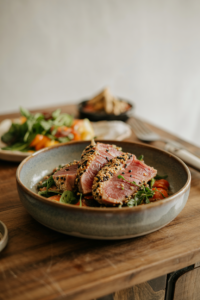
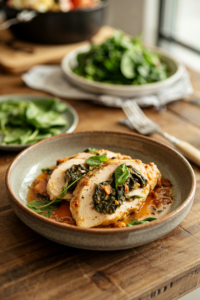
When you need dinner fast and want something that feels like real cooking, pan-seared salmon delivers. One skillet, ten minutes of active time, and a creamy dill sauce you whisk together while the fish rests.

The high heat does all the work. You get crispy, golden skin on the bottom and tender, flaky flesh on top without flipping multiple times or hovering over the stove.
Perfect for weeknight meals when you're tired but still want to eat well, or for easy entertaining when you need something impressive that doesn't stress you out.
Pan-seared salmon with dill sauce is a one-skillet dinner where you cook skin-on fillets at medium-high heat for 4-5 minutes per side, then top with a tangy Greek yogurt and fresh dill sauce. The key is drying the skin thoroughly and not moving the fish - that's what creates the crispy, golden crust while keeping the interior tender.
Why This Recipe Works
Pan-searing at medium-high heat creates a caramelized crust on skin-on salmon while the flesh stays moist. For a similar approach with this flaky shrimp, the technique works because you're building flavor through direct contact with hot metal.
Remember it later
Planning to try this recipe soon? Save it for a quick find later!
Prep Time
10 min
Cook Time
8-10 min
Total Time
18-20 min
Servings
4 servings
Difficulty
Easy
Category
Main Dish
Quick Tip
Dry skin well, use hot pan for crispiness
Best For
Weeknight | Meal prep | Entertaining
- Pat salmon skin dry with paper towels for 2 minutes - moisture is the enemy of crispy skin and causes sticking
- Preheat pan over medium-high for 3 minutes before adding oil - the pan needs to be hot enough to sear on contact
- Cook skin side 4-5 minutes without moving - this develops the golden crust and lets the fish release naturally from the pan
- Check doneness at 140-145°F with an instant-read thermometer - salmon continues cooking as it rests, so pull it slightly under
- Let fish rest 3 minutes off heat - this redistributes juices and firms up the flesh so it doesn't flake apart when you plate it
What You'll Need
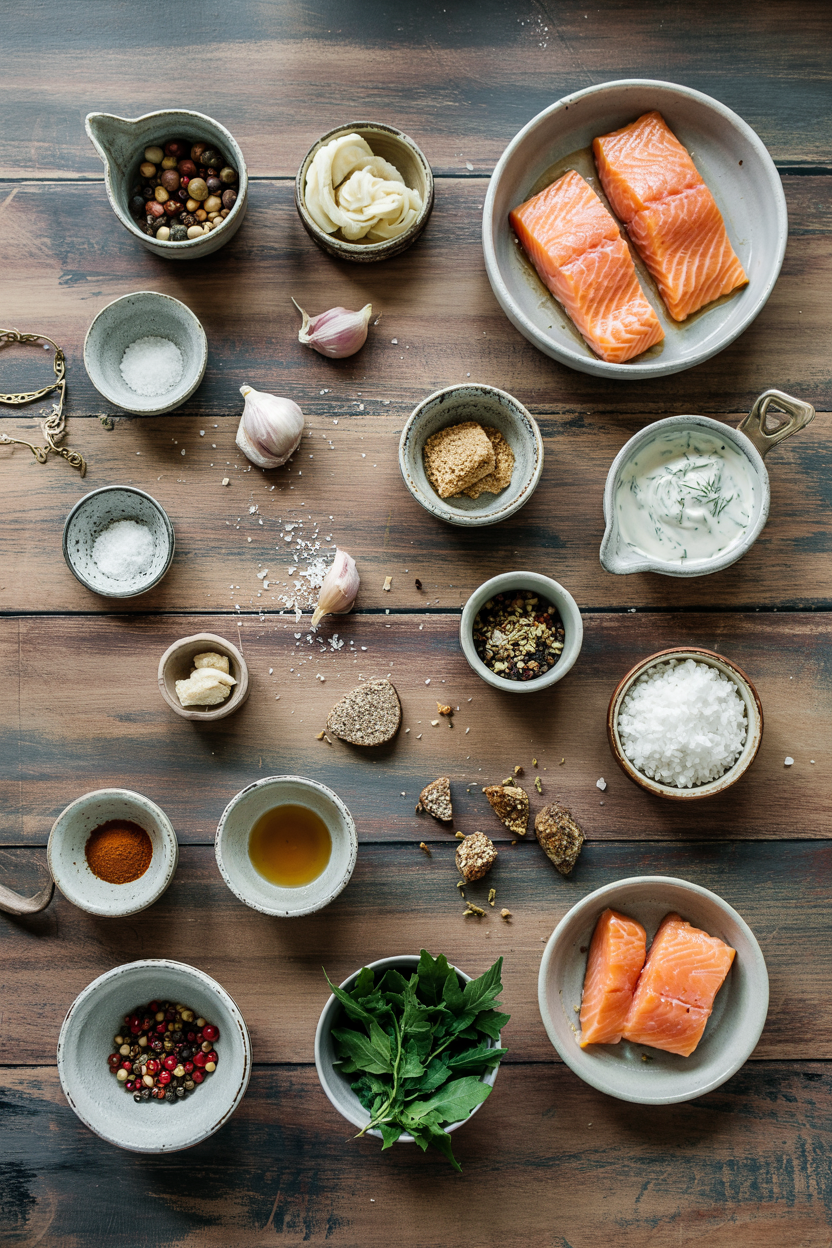
Shopping for this takes one trip down the seafood counter and a quick stop in produce. If you're already making a creamy homemade potato recipe, you probably have most of the pantry items on hand.
- 4 salmon fillets (6 oz each, skin-on)
- 3 tablespoon fresh dill (chopped)
- 2 cloves garlic (minced)
- 2 tablespoon lemon juice
- ½ cup Greek yogurt or sour cream
- 1 tablespoon butter (optional)
- 2 tablespoon olive oil
- 1 teaspoon salt
- ½ teaspoon black pepper
- 1 teaspoon Dijon mustard (optional)
Ingredient Details
- Salmon fillets (skin-on)
Skin protects the flesh from overcooking and crisps up like bacon when seared properly - skinless fillets cook faster but lack that textural contrast. - Fresh dill
Provides the bright, herbaceous flavor that defines the sauce - dried dill works but use 1½ tablespoons since it's less potent. - Olive oil
High smoke point fat that can handle medium-high heat without burning - swap for avocado oil if you prefer a more neutral flavor. - Greek yogurt or sour cream
Creates the creamy base for the dill sauce - Greek yogurt is tangier and higher in protein, sour cream is richer and smoother. - Lemon juice
Adds acidity to balance the richness of both the salmon and the sauce - lime juice works but has a slightly different citrus profile. - Butter
Optional richness that adds depth to the pan drippings - skip it if you want to keep the dish dairy-free or lighter. - Black pepper
Adds subtle heat and depth - white pepper works if you want a milder flavor without visible specks.
Ingredient Swaps
Most swaps here are about preference or what's already in your fridge. Skinless fillets work, but you lose the crispy skin that makes this dish feel special.
- Greek yogurt → dairy-free coconut yogurt - Different flavor, slightly less creamy, keeps it dairy-free
- Fresh dill → dried dill weed - Weaker flavor, use 1½ tablespoons instead of 3 tablespoons, less fresh taste
- Butter → olive oil - Less richness, higher smoke point, keeps it dairy-free
- Lemon juice → lime juice - Slightly different citrus flavor, equal acidity
Skin-On Salmon
Works for: Crispy texture, protects flesh from overcooking, adds visual appeal
Skip if: You prefer tender skin or want faster cooking
Skinless Salmon
Works for: Faster cook time, more delicate texture, easier to eat
Skip if: You want that crispy, golden crust
Instructions
You're looking at 8-10 minutes of actual cooking once the pan is hot. The dill sauce comes together while the salmon rests, so everything hits the table at the same time.
- Pat salmon dry and season. Use paper towels to dry the skin for 2 minutes - press firmly to pull out surface moisture. Season both sides with salt and black pepper just before cooking.
- Preheat pan and add oil. Heat a nonstick or cast iron skillet over medium-high for 3 minutes. Add olive oil and swirl to coat - the oil should shimmer but not smoke.
- Sear skin side first. Place salmon skin-side down and press gently with a spatula for 10 seconds to ensure contact. Cook 4-5 minutes without moving - you'll see the flesh turn opaque about halfway up the sides.
- Flip and finish cooking. Slide a thin spatula under the fish and flip in one motion. Add butter to the pan if using. Cook 3-4 minutes more until the internal temperature reaches 140-145°F.
- Make dill sauce and rest fish. Remove salmon to a plate and let rest 3 minutes. Whisk Greek yogurt, fresh dill, lemon juice, minced garlic, and Dijon mustard in a bowl. Season with salt and pepper to taste.
What to Serve With It
Rich salmon needs something to cut through the fattiness. Salad adds the contrast this plate needs, but timing matters. If you're planning your bang bang shrimp dinner, the same sides work here - bright vegetables and starches that don't compete with the fish.
| Side Dish | Prep | Why It Works | How to Serve |
|---|---|---|---|
| Steamed green beans | Easy | Quick, fresh, light vegetable that doesn't overpower the dill sauce | Toss with lemon zest and olive oil, serve alongside salmon |
| Quinoa salad | Easy | Protein-rich grain that balances the richness of the salmon and sauce | Mix with cherry tomatoes and cucumber, drizzle with vinaigrette |
| Roasted baby potatoes | Medium | Crispy texture pairs well with tender salmon, soaks up extra sauce | Roast with olive oil and herbs, serve hot |
| Mixed green salad | Easy | Adds acidity to cut through the creamy dill sauce | Dress with lemon vinaigrette, serve immediately |
| Sautéed spinach | Easy | Mild, quick-cooking leafy green that adds nutrition without competing flavors | Sauté with garlic, serve under or beside salmon |
Three ways to serve it:
- Plate salmon over lemony herb risotto with asparagus and toasted almonds for elegant dinner parties
- Serve with garlic butter roasted carrots and herbed couscous for a lighter weeknight meal
- Layer over mixed greens with something fresh and light and use the dill sauce as dressing for meal prep bowls
Store and Reheat
Cooked salmon keeps for 3-4 days in the fridge but loses crispiness as it sits. The dill sauce holds up better and actually tastes brighter the next day. For another protein that reheats well, try tender roasted vegetable side alongside leftover salmon.
| Method | Time | Best For |
|---|---|---|
| 🍳 Stovetop | 3-4 min on medium-low | Preserves some crispiness, gentle reheating |
| 📦 Microwave | 30-60 seconds low power | Quick reheating when you don't care about texture |
| 🔥 Oven | 8-10 min at 275°F | Even reheating without drying out the fish |
For best results when storing:
- Transfer salmon and sauce to separate airtight containers within 2 hours of cooking
- Store sauce in a shallow container so it cools quickly and maintains freshness
- Reheat salmon gently at low temperatures to prevent overcooking and drying out the flesh
- Bring dill sauce to room temperature before serving rather than microwaving it
- Freeze cooked salmon in individual portions wrapped tightly in plastic wrap, then foil - use within 2 months and thaw overnight in the fridge
Frequently Asked Questions
Cook skin-side down for 4-5 minutes, then flip and cook 3-4 minutes more until the internal temperature reaches 140-145°F. Medium heat takes longer than medium-high, so add 1-2 minutes per side if your pan isn't as hot.
Make the dill sauce up to 2 days ahead and store it in the fridge - the flavors actually improve as they meld. Cook the salmon right before serving, since it loses texture and moisture when reheated.
Serve with steamed green beans, quinoa salad, roasted baby potatoes, or sautéed spinach. The salmon is rich and fatty, so pair it with bright, acidic sides like mixed greens with lemon vinaigrette or try [something creamy to dunk](https://forkliftkitchen.com/roasted-garlic-garlic-aioli/) on the side.
Use an instant-read thermometer and pull the salmon at 140-145°F - it continues cooking as it rests. The flesh should be opaque and flake easily with a fork but still look slightly translucent in the very center.
Yes, but use 1½ tablespoons of dried dill instead of 3 tablespoons fresh - dried herbs are more concentrated but lack the bright, fresh flavor of the original. The sauce will still work, just with less vibrancy.
Pan-Seared Salmon with Dill Sauce
Ingredients
Equipment
Method
- Pat salmon skin dry with paper towels for 2 minutes to remove surface moisture. Season both sides with salt and black pepper just before cooking.4 fillets salmon, 1 tsp salt, 0.5 tsp black pepper
- Heat a nonstick or cast iron skillet over medium-high heat for 3 minutes. Add olive oil and swirl to coat the pan; the oil should shimmer but not smoke.2 tbsp olive oil
- Place salmon fillets skin-side down and press gently with a spatula for 10 seconds to ensure contact. Cook without moving for 4-5 minutes until the flesh turns opaque halfway up the sides.4 fillets salmon
- Slide a thin spatula under each fillet and flip in one motion. Add butter to the pan if using. Cook 3-4 minutes more until the salmon reaches an internal temperature of 140-145°F.4 fillets salmon, 1 tbsp butter
- Remove salmon to a plate and let rest for 3 minutes. Whisk together Greek yogurt, fresh dill, lemon juice, minced garlic, and Dijon mustard in a bowl. Season with salt and pepper to taste and serve alongside the salmon.3 tbsp fresh dill, 2 cloves garlic, 2 tbsp lemon juice, 0.5 cup Greek yogurt, 0.5 tsp black pepper, 1 tsp Dijon mustard
Notes
- Dry the salmon skin thoroughly to achieve a crispy crust.
- Preheat the pan properly before adding fish to prevent sticking and sogginess.
- Use a thin-edged spatula to flip the salmon gently without breaking the crust.