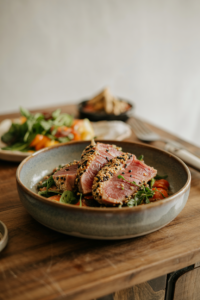
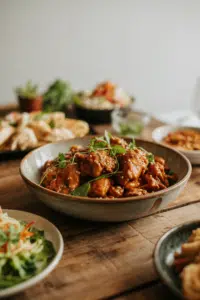
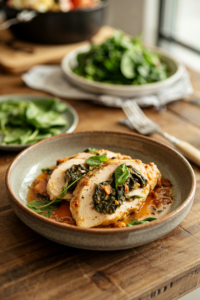
Tender beef that pulls apart with a fork, sitting in rich gravy with carrots and potatoes that soak up every bit of flavor. That's what happens when you brown a chuck roast, then let it braise low and slow in the oven for three hours.

The Dutch oven does the work while you do other things. You get fall-apart meat without standing over the stove or checking every twenty minutes.
This works for family dinners when you want something comforting that fills the house with the smell of real cooking. Make it on a Sunday and you'll have leftovers for Tuesday.
Chuck roast braised with carrots, potatoes, and onions in beef broth until fork-tender. The key is searing the meat first to lock in juices, then cooking low at 325°F for 3-4 hours. Add vegetables in the last hour so they stay intact instead of turning to mush.
Why This Recipe Works
The marbled fat in chuck roast melts during the long braise, keeping the meat moist while the collagen breaks down into gelatin for a silky sauce. A good pot roast needs something to cut through, and a sweet lamb side dish does exactly that - we keep a batch ready for nights like this.
Remember it later
Planning to try this recipe soon? Save it for a quick find later!
Prep Time
20 min
Cook Time
3 hr 30 min
Total Time
3 hr 50 min
Servings
6 servings
Difficulty
Medium
Category
Main Dish
Quick Tip
Sear meat to lock juices before slow cooking
Best For
Weeknight | Meal prep | Family dinner
Five things that make this work:
- High heat sear creates a caramelized crust - browning develops deep flavor through the Maillard reaction and locks in juices before the long braise
- Low oven temperature breaks down collagen - 325°F allows tough connective tissue to transform into gelatin without drying out the meat
- Vegetables added late stay intact - holding carrots and potatoes until the last hour prevents them from disintegrating into the sauce
- Braising liquid becomes the sauce - deglazing captures fond from searing, then reduces into rich gravy as the roast cooks
- Resting redistributes moisture - letting the roast sit 15 minutes covered after cooking ensures every slice stays juicy instead of leaking onto the board
What You'll Need
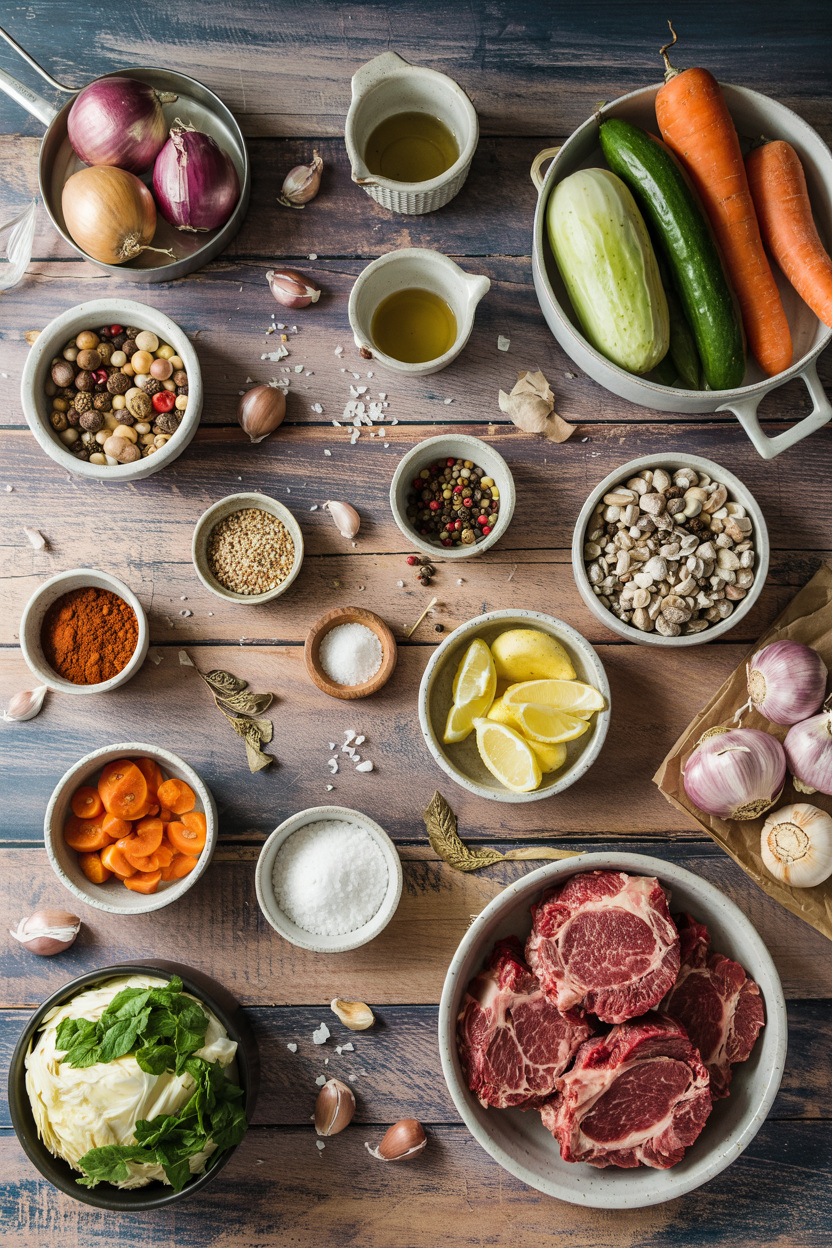
Buy a chuck roast with visible marbling - the white streaks of fat are what keep this tender during the long cook. Most people skip this related corn recipe, but it balances the meal - for a version that comes together quickly, use frozen corn instead of fresh.
- 3-4 lb chuck roast
- 4 large carrots, cut into chunks
- 1 lb baby potatoes, halved
- 2 onions, quartered
- 3 celery stalks, chopped
- 6 garlic cloves, smashed
- 3 sprigs fresh thyme
- 2 bay leaves
- 3 cups beef broth
- 2 tablespoon tomato paste
- Salt and black pepper
Ingredient Details
- Chuck roast
Look for a roast with good marbling throughout - the fat melts during cooking and keeps the meat moist instead of dry - Carrots
Use whole carrots cut into 2-inch chunks - baby carrots work but cook faster and can turn mushy - Potatoes
Baby potatoes hold their shape better than russets - if using large potatoes, cut into 1.5-inch pieces - Beef broth
Low-sodium broth gives you control over salt - the sauce reduces during cooking and can get too salty with regular broth - Tomato paste
Cook the paste in the pot for 1-2 minutes before adding liquid - this removes the raw taste and adds depth - Fresh thyme
Tie the sprigs together with kitchen twine so you can pull them out easily before serving - Garlic
Smash the cloves with the flat side of a knife - they release more flavor than sliced garlic during the long braise
Ingredient Swaps
You can use brisket or bottom round instead of chuck, but they need an extra 30-45 minutes to reach the same tenderness. Four swaps that work:
- Brisket for chuck roast - leaner cut needs more time to break down, budget-friendly but requires patience
- Turnips or parsnips for potatoes - reduces carbs and adds earthy sweetness, good for low-carb meals
- Extra beef broth for red wine - skips alcohol but loses some acidity and complexity in the sauce
- Garlic powder for fresh garlic - use 1 teaspoon per 3 cloves, less pungent but works in a pinch
Chuck Roast
Works for: classic pot roast texture, reliable tenderness, most forgiving cut
Skip if: watching budget closely, brisket costs less per pound
Brisket
Works for: budget meals, slightly leaner option, feeds more people
Skip if: short on time, needs 30-45 minutes longer to get tender
Bottom Round
Works for: lowest cost option, easy to find at any store
Skip if: you want guaranteed tenderness, less marbling means drier results
Instructions
The roast goes into a 325°F oven for 3 hours before you add vegetables, then cooks another hour until everything is tender. Start by searing the meat - heat oil in a Dutch oven over high heat and brown the roast 3-4 minutes per side until a dark crust forms.
Sear the roast: Pat the chuck roast dry with paper towels, season all sides with salt and pepper, then sear in hot oil 3-4 minutes per side until deeply browned - this locks in juices and builds flavor through caramelization.
Build the braising base: Remove the roast, reduce heat to medium, add onions and celery to the pot and cook 5 minutes, then stir in tomato paste and cook 2 minutes until it darkens - this removes the raw taste and adds richness to the sauce.
Braise in the oven: Return the roast to the pot, add garlic, thyme, bay leaves, and beef broth until liquid comes halfway up the meat, bring to a simmer, then cover tightly and transfer to a 325°F oven for 3 hours - the low heat breaks down collagen without drying out the beef.
Add vegetables: After 3 hours, remove the pot from the oven, nestle carrots and potatoes around the roast, return to the oven uncovered for 1 hour until vegetables are fork-tender and meat reaches 190-200°F internal temperature - adding them late keeps them intact instead of mushy.
Rest and serve: Transfer the roast to a cutting board, tent with foil and let rest 15 minutes, then slice against the grain and serve with vegetables and braising liquid spooned over the top - resting redistributes juices so they don't run out when you cut.
What to Serve With It
A good pot roast needs something fresh to balance the richness - this plate runs heavy without a bright contrast. For corn chowder meal planning ideas, pair with crisp vegetables or a tangy side - we keep a batch ready for nights like this.
| Side Dish | Prep | Why It Works | How to Serve |
|---|---|---|---|
| Mashed potatoes | Easy | Soaks up gravy, adds creamy texture | Serve hot with butter melted on top |
| Steamed green beans | Easy | Adds freshness and crunch | Toss with garlic and lemon juice |
| Crusty bread | Easy | Mops up sauce, no extra cooking | Warm in oven 5 minutes before serving |
| Simple garden salad | Easy | Light contrast to rich meat | Dress with vinaigrette right before serving |
| Roasted Brussels sprouts | Medium | Adds texture and deep flavor | Roast at 425°F for 20-25 minutes |
Three ways to serve it:
- Weeknight plate: Slice the roast thin, serve over mashed potatoes with gravy, add steamed green beans on the side
- Sunday dinner: Present the whole roast on a platter surrounded by vegetables, let everyone serve themselves family-style
- Meal prep bowls: Shred leftover meat, pack with vegetables and gravy in containers, reheat portions throughout the week
Store and Reheat
Pot roast holds in the fridge 3-4 days and freezes well up to 3 months without losing texture. Store meat and vegetables in shallow containers with enough braising liquid to keep everything moist - if there's something fresh and light on the side like salad, store that separately so it doesn't wilt.
| Method | Time | Best For |
|---|---|---|
| 🍳 Stovetop | 10-15 min | Even heating, preserves moisture best |
| 🔥 Oven | 20 min at 300°F | Large portions, retains texture |
| 📦 Microwave | 3-5 min | Quick single servings, cover to prevent drying |
For best results when storing:
- Cool completely before refrigerating - putting hot meat in the fridge raises the temperature and creates condensation that makes everything soggy
- Slice only what you need - whole roast stays moister than sliced meat, cut portions as you reheat them
- Save the braising liquid - freeze extra sauce in ice cube trays, pop out cubes to add moisture when reheating dry leftovers
- Layer meat and vegetables separately - vegetables get mushy if they sit in liquid too long, store in different containers if possible
- Reheat with a splash of broth - add 2-3 tablespoons liquid per serving to restore moisture lost during storage
Frequently Asked Questions
Cook for 3-4 hours until the internal temperature reaches 190-200°F and the meat falls apart with a fork. Exact time depends on the size of your roast - a 3-pound chuck needs closer to 3 hours, while a 4-pound roast may take the full 4 hours.
Yes, pot roast actually tastes better the next day after the flavors meld. Cook it completely, let it cool, then refrigerate in the braising liquid for up to 3 days or freeze for 3 months - reheat gently on the stovetop or in a 300°F oven.
The roast is done when a fork slides in easily and the meat pulls apart without resistance - check the internal temperature with a meat thermometer, it should read 190-200°F. If the meat feels tough or springy, it needs more time.
Slice the roast thin and reheat it in the braising liquid or extra beef broth - simmer gently for 10-15 minutes to reabsorb moisture. Next time, make sure the liquid comes halfway up the meat during cooking and use a well-marbled chuck roast instead of a lean cut.
Carrots, potatoes, onions, and celery are the classic choices because they hold up well during long cooking. Add parsnips, turnips, or mushrooms for variety - always add vegetables in the last hour so they stay intact and don't turn to mush.
Classic Pot Roast with Vegetables
Ingredients
Equipment
Method
- Pat the chuck roast dry with paper towels, season all sides generously with salt and black pepper. Heat oil in a Dutch oven over high heat and sear the roast 3-4 minutes per side until deeply browned and caramelized to lock in juices.3.5 lb chuck roast, salt, black pepper, 2 tbsp oil
- Remove the roast from the pot. Reduce heat to medium and add onions and celery. Cook for 5 minutes until softened, then stir in tomato paste and cook an additional 2 minutes until darkened to remove raw flavor and add richness.2 onions, 3 stalks celery, 2 tbsp tomato paste
- Return the roast to the pot. Add garlic, thyme sprigs tied with kitchen twine, bay leaves, and beef broth so the liquid covers halfway up the meat. Bring to a simmer on the stovetop, then cover tightly and transfer to a 325°F oven. Braise for 3 hours to break down collagen and tenderize meat.3.5 lb chuck roast, 6 cloves garlic, 3 sprigs fresh thyme, 2 leaves bay leaves, 3 cups beef broth
- After 3 hours, remove the pot from the oven and nestle in the carrots and baby potatoes around the roast. Return to the oven uncovered and cook an additional 1 hour until vegetables are fork-tender and meat reaches an internal temperature of 190-200°F.4 large carrots, 1 lb baby potatoes
- Transfer the roast to a cutting board and tent with foil. Let rest for 15 minutes to redistribute juices. Slice against the grain and serve with the vegetables and braising liquid spooned over the top.
Notes
- Sear the roast well to develop deep flavor and lock in moisture before braising.
- Add vegetables after the initial braise to keep them from turning mushy.
- Let the roast rest covered to retain juices for moist, tender slices.