Complete Article Output
Most people skip marinating chicken before grilling, which is why yakitori often tastes bland. The trick is soaking bite-sized thigh pieces in a soy-mirin mixture and basting them with concentrated tare sauce during the last three minutes.
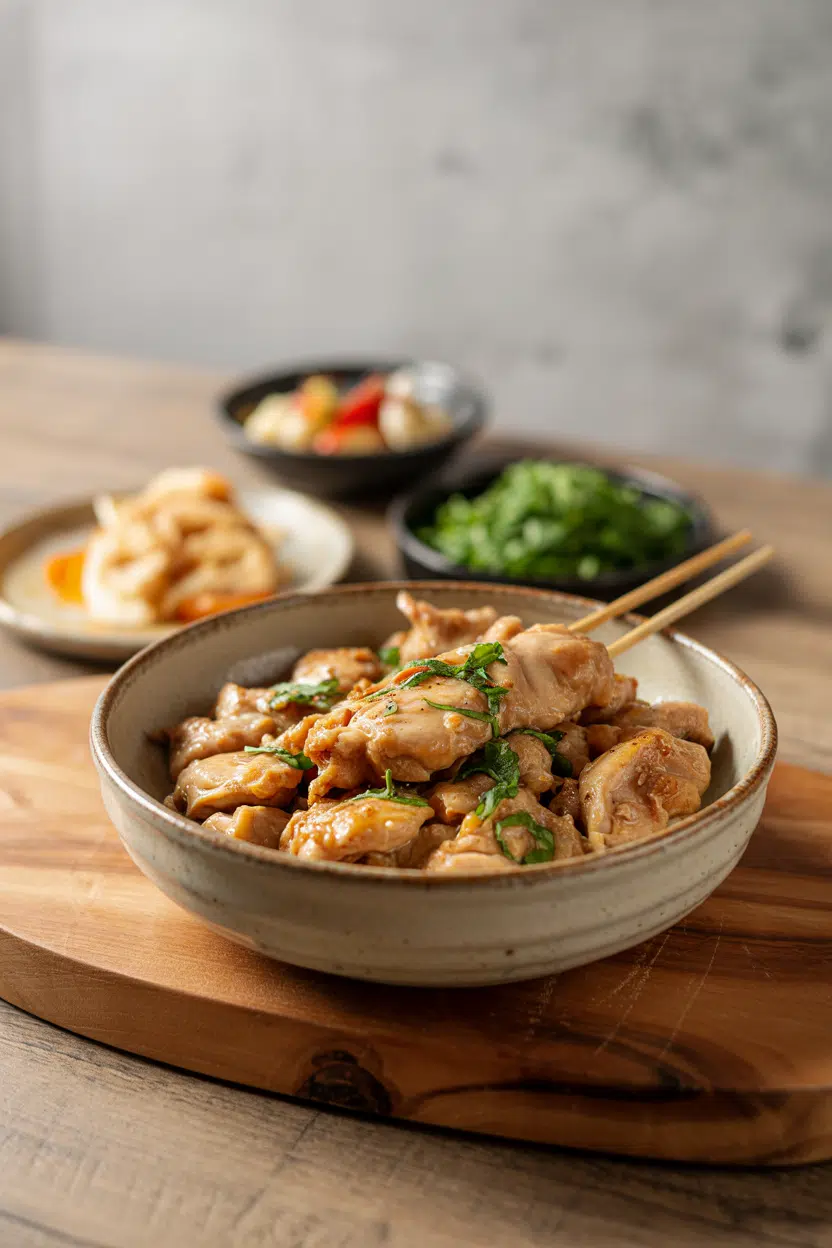
High direct heat caramelizes the glaze without overcooking the meat. The chicken cooks through in 10-12 minutes while the exterior gets sticky and golden.
Make this when you want restaurant-style skewers at home without special equipment or hard-to-find ingredients.
Chicken Yakitori Japanese-Style delivers tender, caramelized skewers with a savory-sweet tare glaze. Grill bite-sized thigh pieces over medium-high heat (400°F/204°C) for 10-12 minutes, basting with sauce during the final three minutes. Thighs stay juicier than breast meat and handle direct flames without drying out.
Why This Recipe Works
Chicken thighs contain more fat than breasts, which keeps yakitori moist during high-heat grilling. For another approach to tender grilled chicken, try simple homemade chicken that stays juicy through slow braising instead of direct flames.
Remember it later
Planning to try this recipe soon? Save it for a quick find later!
Prep Time
20 min
Cook Time
10-12 min
Total Time
30-35 min
Servings
4 servings
Difficulty
Medium
Category
Appetizer | Main Dish
Quick Tip
Use thighs for juicier, tender result
Best For
Weeknight | Entertaining
What makes yakitori work:
- Direct heat at 400°F (204°C) sears the exterior while rendering fat from the skin-creates crispy edges without drying the interior
- Mirin and sake in the marinade tenderize the meat-enzymes break down proteins during the 30-minute soak
- Uniformly sized pieces cook at the same rate-no raw centers or overcooked ends
- Basting with reduced tare sauce during the last three minutes-glaze caramelizes without burning
- Resting skewers for five minutes after grilling-juices redistribute instead of running onto the plate
What You'll Need
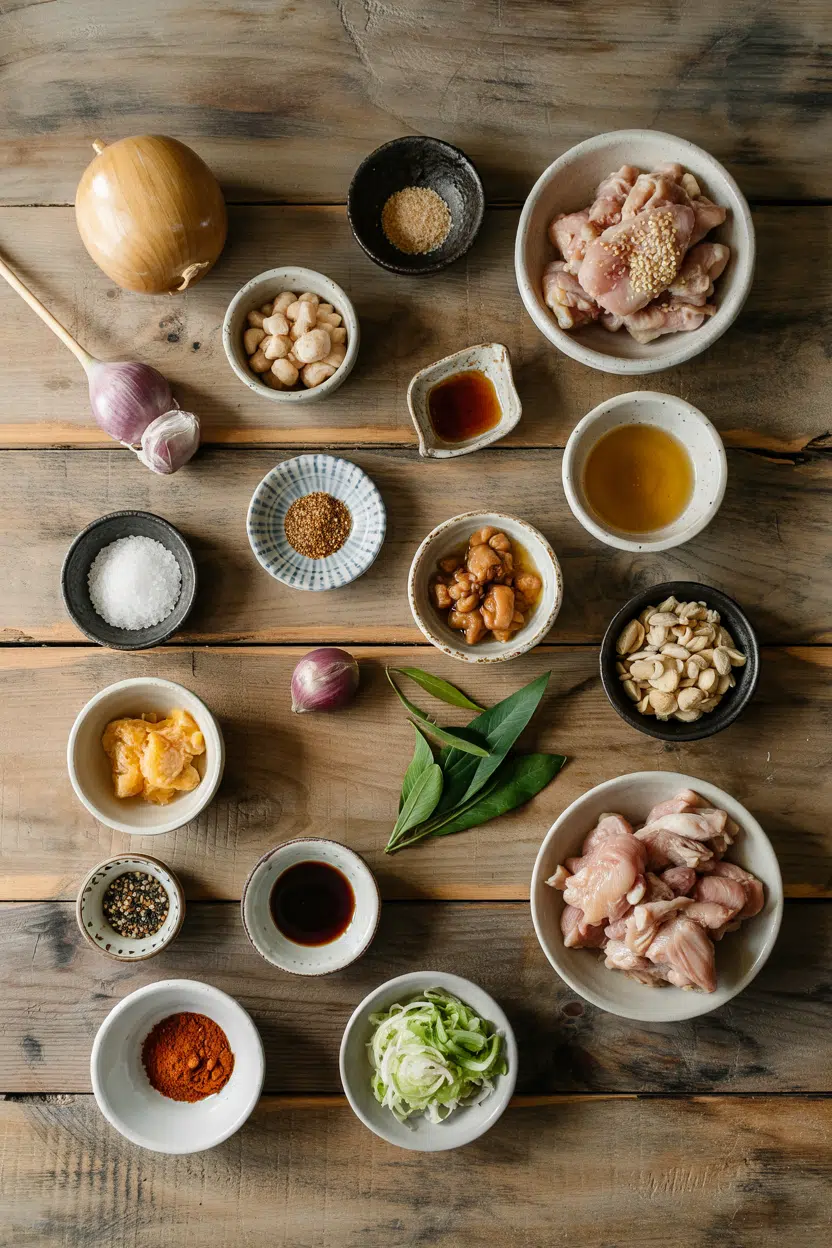
Shopping for yakitori ingredients takes one trip to a standard grocery store with an Asian foods aisle. Most supermarkets stock soy sauce, mirin, and sake near the international section, and chicken thighs sit in the meat case year-round.
- 2 lbs (900g) boneless, skin-on chicken thighs
- ⅓ cup (80ml) soy sauce
- ¼ cup (60ml) mirin
- ¼ cup (60ml) sake
- 2 tablespoon (25g) sugar
- 3 cloves garlic, minced
- 1 tablespoon (15g) fresh ginger, grated
- 4 green onions (scallions), cut into 2-inch pieces
- 12-16 bamboo or metal skewers
- 2 tablespoon (30ml) vegetable oil
Ingredient Details
- Chicken thighs (skin-on)
Skin crisps during grilling and adds rich flavor-skinless versions dry out faster and lack texture contrast - Soy sauce
Use regular or low-sodium depending on salt preference-low-sodium gives you more control over final seasoning - Mirin
Japanese sweet rice wine adds gloss to the glaze-look for hon-mirin (true mirin) instead of aji-mirin (seasoned cooking mirin with added sugar) - Sake
Cooking sake works fine-no need to buy expensive drinking sake for this recipe - Sugar
White granulated sugar caramelizes cleanly-brown sugar works but adds molasses flavor that's not traditional - Bamboo skewers
Soak in water for 30 minutes before using to prevent charring-metal skewers eliminate this step but conduct heat into the chicken - Vegetable oil
Neutral oil with high smoke point prevents sticking-brush it on the grill grates and lightly on the chicken pieces
Ingredient Swaps
Most ingredient swaps work when you adjust cooking times or ratios. Keep the soy sauce and mirin if possible-they form the base of authentic tare flavor that defines yakitori.
- Soy sauce → tamari: Use 1:1 ratio for gluten-free version-flavor stays nearly identical
- Mirin → dry sherry + 1 teaspoon sugar: Mix ¼ cup sherry with 1 teaspoon sugar-sweetness approximates mirin but lacks the same shine
- Sake → white cooking wine: Use ¼ cup white wine-tenderizes chicken but changes the umami depth slightly
- Sugar → honey: Use 1½ tablespoon honey instead of 2 tablespoon sugar-caramelizes darker and faster, watch closely during final basting
Chicken Thighs (Recommended)
Works for: juicy results, forgiving cook times, crispy skin texture
Skip if: you prefer leaner meat or dislike dark meat flavor
Chicken Breasts
Works for: lower fat content, milder flavor, uniform white meat
Skip if: you tend to overcook chicken-breasts dry out quickly on high heat
Metal Skewers
Works for: reusable equipment, no soaking required, better heat conduction
Skip if: you want traditional presentation or worry about hot metal handles
Bamboo Skewers
Works for: authentic look, disposable cleanup, safer handling when hot
Skip if: you forget to soak them-dry bamboo burns and splinters on the grill
Instructions
Yakitori cooks in 10-12 minutes once the grill reaches 400°F (204°C). The marinade does most of the flavor work before the chicken hits the heat, so don't skip the 30-minute soak.
Soak bamboo skewers in water for 30 minutes. Cut chicken thighs into 1½-inch (4cm) uniform pieces. Thread 4-5 pieces onto each skewer, leaving 1 inch (2.5cm) space between pieces. Alternate with green onion segments.
Mix soy sauce, mirin, sake, sugar, garlic, and ginger in a shallow dish. Place skewers in marinade and turn to coat all sides. Cover and refrigerate for 30 minutes to 2 hours-longer marinating adds more flavor without making the chicken mushy.
Preheat grill to medium-high heat (400°F/204°C). Oil the grates with vegetable oil using tongs and a folded paper towel. Brush chicken pieces lightly with oil to prevent sticking.
Grill skewers for 5-6 minutes per side. Flip once halfway through using tongs-don't move them around constantly or they won't develop char marks. During the last 3 minutes, brush with reserved marinade (or make fresh tare sauce by reducing marinade in a small saucepan for 5 minutes). The glaze should bubble and caramelize without turning black.
Check internal temperature with an instant-read thermometer. Chicken should reach 165°F (74°C) in the thickest part. Remove skewers from heat and rest for 5 minutes before serving-juices will redistribute instead of running out onto the plate.
What to Serve With It
Most yakitori meals need a neutral base to balance the sticky-sweet glaze and a crisp element to cut through the richness. For more complete dinner planning around grilled chicken dishes, check out easy city chicken dinner nights that pair skewered meats with simple sides.
| Side Dish | Prep | Why It Works | How to Serve |
|---|---|---|---|
| Steamed white rice | Easy | Neutral base absorbs tare sauce drippings | Serve in small bowls, spoon sauce over rice |
| Miso soup | Easy | Warm, savory contrast to sweet glaze | Serve in small bowls before yakitori arrives |
| Cucumber salad | Easy | Crisp, refreshing break from rich chicken | Dress with rice vinegar and sesame seeds |
| Edamame | Easy | Quick protein-rich snack while grilling | Boil 5 minutes, toss with coarse salt |
| Grilled shishito peppers | Easy | Blistered peppers add smoky heat | Grill alongside yakitori, finish with flaky salt |
Three ways to serve it:
- Weeknight dinner: Steamed rice, miso soup, and a quick cucumber salad cover the meal without extra work
- Party appetizers: Arrange skewers on a large platter with ponzu sauce and spicy mayo for dipping-guests grab what they want
- Summer cookout: Grill shishito peppers and corn alongside the yakitori, serve everything family-style with cold soba noodles
Store and Reheat
Yakitori keeps for 3-4 days in the fridge but loses some glaze shine as it sits. The chicken stays safe to eat when stored properly, though the skin softens without direct heat to crisp it back up.
| Method | Time | Best For |
|---|---|---|
| 🍳 Stovetop | 3-5 min over medium heat | Quick reheating when you want to restore some crispness-flip once halfway through |
| 🔥 Oven | 8-10 min at 350°F (175°C) | Even warming that brings back crispy edges-place skewers on a wire rack over a sheet pan |
| 📦 Microwave | 1-2 min at 50% power | Fast reheating when texture doesn't matter-glaze softens and skin stays chewy |
For best results when storing:
- Let yakitori cool completely before refrigerating-stacking hot skewers creates steam that makes the glaze runny
- Store skewers in a single layer in an airtight container-use parchment paper between layers if stacking
- Keep extra tare sauce separate in a small jar-reheat and brush on before serving to refresh the glaze
- Freeze cooked yakitori for up to 2 months in freezer bags-thaw overnight in the fridge before reheating
- Reheat from frozen in a 350°F (175°C) oven for 15-18 minutes-no need to thaw first if you're in a hurry
Frequently Asked Questions
Cook yakitori for 10-12 minutes total at 400°F (204°C), flipping once halfway through. Check internal temperature with an instant-read thermometer-chicken should reach 165°F (74°C) in the thickest part before removing from heat.
Yes-grill yakitori up to 4 days ahead and store in an airtight container in the fridge. Reheat in a 350°F (175°C) oven for 8-10 minutes on a wire rack to restore crispy edges, then brush with fresh tare sauce before serving.
Serve yakitori with steamed white rice, miso soup, and a simple cucumber salad. Edamame and grilled shishito peppers work as additional sides for entertaining or summer cookouts.
Use an instant-read thermometer to check the thickest part of the chicken-it should read 165°F (74°C). Visual cues include golden-brown caramelized glaze, no pink in the center, and clear juices when you pierce a piece with a fork.
Chicken breasts work but dry out faster than thighs on high heat. Cut breasts into uniform 1½-inch pieces and watch closely-pull them at exactly 165°F (74°C) internal temperature to avoid rubbery texture.
Chicken Yakitori Japanese-Style
Ingredients
Equipment
Method
- Soak bamboo skewers in water for 30 minutes to prevent burning. Cut chicken thighs into uniform 1½-inch pieces. Thread 4-5 pieces onto each skewer, leaving about 1 inch space between pieces. Alternate chicken pieces with green onion segments for added flavor.2 lbs chicken thighs, 4 green onions, 12-16 bamboo or metal skewers
- In a shallow dish, mix soy sauce, mirin, sake, sugar, minced garlic, and grated ginger. Place skewers into the marinade and turn to coat all sides. Cover and refrigerate for 30 minutes to 2 hours for best flavor without mushiness.0.33 cup soy sauce, 0.25 cup mirin, 0.25 cup sake, 2 tbsp sugar, 3 cloves garlic, 1 tbsp fresh ginger
- Preheat the grill to medium-high heat (400°F/204°C) for at least 10 minutes. Use tongs and a folded paper towel dipped in vegetable oil to oil the grates. Lightly brush chicken pieces with vegetable oil to prevent sticking during grilling.2 tbsp vegetable oil
- Grill skewers for 5-6 minutes on the first side without moving them to develop char marks. Flip skewers once and grill the other side for 5-6 minutes. During the last 3 minutes, brush the reserved marinade or boiled tare sauce onto the chicken repeatedly. The glaze should bubble and caramelize without burning.
- Use an instant-read thermometer to check the thickest part of the chicken; it should reach 165°F (74°C). Remove skewers from heat and let rest for 5 minutes to allow juices to redistribute before serving.
Notes
- Never baste with raw marinade; boil marinade for 5 minutes to make safe tare sauce before basting.
- Soak bamboo skewers to prevent burning; metal skewers conduct heat and require no soaking but may get hot.
- Preheat grill for at least 10 minutes and oil grates to prevent sticking and ensure good sear marks.