You're halfway through mapo tofu when you realize the jar of doubanjiang is empty. The recipe needs that fermented chili-bean funk for a reason-without it, the dish tastes one-dimensional.
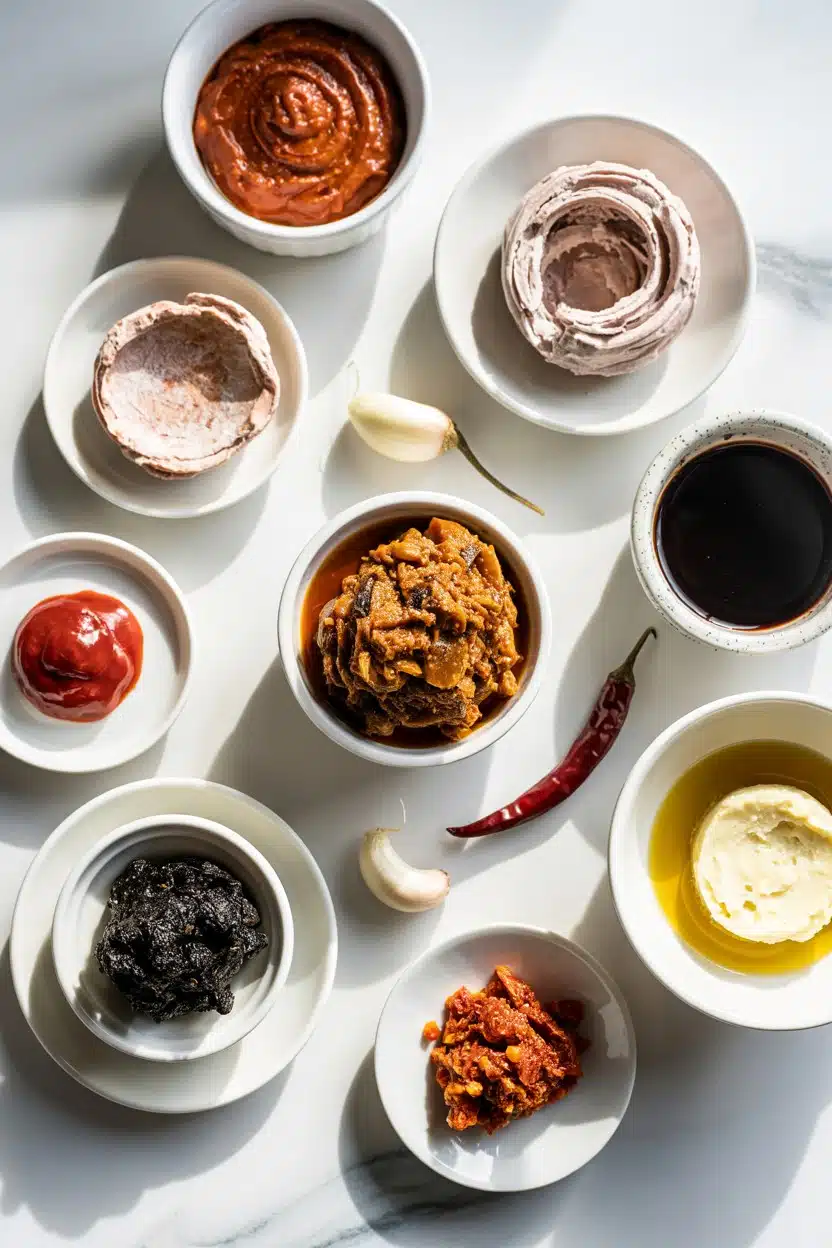
A few swaps from other fermented pastes can fill that gap without losing the dish's soul.
For Sichuan stir-fries and braises, we reach for Pixian doubanjiang or gochujang mixed with soy sauce first. Both bring fermented depth and chili heat, though gochujang skews sweeter. Watch the salt level-some brands run saltier than standard doubanjiang. In quick stir-fries, chili garlic sauce with soy sauce works when you don't need long-cooked complexity.
| # | Substitute | Best For | Ratio | Key Note |
|---|---|---|---|---|
| 1 | Pixian Doubanjiang | ✨ Both | 1:1 | Slight aroma variance |
| 2 | Gochujang | 🍳 Cooking | 1 tablespoon + 1 teaspoon soy | Sweeter, needs salt boost |
| 3 | Miso + Chili | 🍳 Cooking | 1 tablespoon + ½ teaspoon flakes | Lower heat intensity |
| 4 | Chili Garlic Sauce | 🍳 Cooking | 1 tablespoon + 1 teaspoon soy | Bright, no ferment depth |
| 5 | Black Bean Paste | 🍳 Cooking | 1:1 + chili flakes | Low heat, add spice |
1. Pixian Doubanjiang 🌶️
Pixian doubanjiang is a regional variant of the same fermented chili bean paste you're trying to replace. It comes from Pixian County in Sichuan and follows traditional fermentation methods.
Remember it later
Planning to try this recipe soon? Save it for a quick find later!
The flavor sits close to standard doubanjiang-salty, spicy, and deeply savory. Some brands ferment longer, which can shift the aroma slightly.
Use 1:1 in any recipe calling for doubanjiang.
- ✅ Same core ingredients and fermentation process
- ✅ Works in stir-fries, hot pots, and braises
- ⚠️ Saltiness varies by brand-taste before adding more salt
2. Gochujang + Soy Sauce 🥘
Gochujang brings fermented depth and chili heat, but it's sweeter and less salty than doubanjiang. Mixing it with soy sauce rebalances the salt and tones down the sweetness.
Use 1 tablespoon gochujang + 1 teaspoon soy sauce per 1 tablespoon doubanjiang. Add it early in cooking so the flavors meld.
- 🍳 In stir-fries: Add at the same time you'd add doubanjiang
- 🍲 In braises: Works well in long-cooked dishes like braised pork
- 🥗 In marinades: Sweetness mellows with time-balance with vinegar if needed
- ⚠️ Sweeter profile: Expect a different finish than standard doubanjiang
If you don't have gochujang on hand either, Gochujang swaps by recipe type can point you to what works next.
3. Miso Paste + Chili Flakes 🍜
Miso paste delivers umami and saltiness without the chili heat. Adding chili flakes rebuilds the spice level, though the fermentation profile differs.
Mix 1 tablespoon miso paste + ½ teaspoon chili flakes per 1 tablespoon doubanjiang. Red or brown miso works better than white-deeper flavor, less sweetness.
Use it in soups, sauces, and dressings where you don't need thick paste texture. The chili flakes won't dissolve the way doubanjiang's chili does, so the heat hits differently.
Miso won't replicate the bean-forward funk of doubanjiang, but it covers the savory base. If miso's missing too, Miso Paste alternatives worth trying lists what steps in.
4. Chili Garlic Sauce + Soy Sauce 🔥
Chili garlic sauce gives you heat and garlic punch but skips the fermented complexity. Mixing it with soy sauce adds the salty umami doubanjiang brings.
Use 1 tablespoon chili garlic sauce + 1 teaspoon soy sauce per 1 tablespoon doubanjiang. This works best in quick stir-fries where you don't need long-cooked depth.
The flavor is brighter and sharper than doubanjiang. It won't give you the same background richness in slow braises or hot pots.
Skip this swap for dishes that simmer for hours-the fermented notes matter more there. For more heat options, Chili Garlic Sauce alternatives worth trying breaks down what else works.
5. Fermented Black Bean Paste + Chili 🫘
Fermented black bean paste covers the salty, savory side of doubanjiang but lacks chili heat. Adding chili flakes or fresh chilies rebuilds the spice.
Use 1 tablespoon black bean paste per 1 tablespoon doubanjiang, then add ½ teaspoon chili flakes or more to taste. The paste works in braises and stews where the fermented funk matters more than texture.
- ✅ Strong umami and salt from fermented beans
- ✅ Works in slow-cooked dishes with added spice
- ⚠️ Aroma differs-earthier, less chili-forward than doubanjiang
Black bean paste won't replicate the chili-bean balance perfectly, but it holds up in long-cooked recipes. If you're out of that too, Black Bean Paste swaps for protein covers what else fits.
Picking Your Doubanjiang Swap
- For Sichuan stir-fries: Pixian doubanjiang or gochujang + soy sauce
- For quick dishes: Chili garlic sauce + soy sauce when you don't need fermented depth
- For braises and stews: Fermented black bean paste + chili flakes or miso + chili
Match the cooking time to the swap. Short stir-fries don't need long fermentation-chili garlic sauce works fine. Slow braises benefit from gochujang, miso, or black bean paste where fermented complexity builds over time.
Frequently Asked Questions
Sriracha adds heat but lacks the fermented umami and bean texture doubanjiang brings. Mix it with soy sauce and a pinch of sugar to get closer, but expect a thinner, sharper flavor. It works in quick stir-fries but won't hold up in slow-cooked dishes.
Doubanjiang is a spicy, salty fermented chili bean paste. Tianmianjiang is a sweet fermented wheat paste with no chili heat. They're not interchangeable-tianmianjiang works in dishes like Peking duck or hoisin-based sauces, not Sichuan stir-fries.
You can ferment soybeans and chilies at home, but traditional doubanjiang takes months to develop full flavor. Home versions won't match the depth of aged commercial brands. If you need it now, a store-bought swap works better.
Some brands label doubanjiang as chili bean sauce, but not all chili bean sauces are doubanjiang. Check the ingredients-real doubanjiang lists fermented broad beans and chilies. Generic chili bean sauces may skip fermentation or add sugar and thickeners.
Doubanjiang keeps for months in the fridge after opening. The high salt content and fermentation preserve it. If you see mold or an off smell, toss it. Otherwise, it stays good for up to a year.
5 Best Substitutes for Doubanjiang
Ingredients
Method
- Identify the best substitute based on your dish: Pixian doubanjiang or gochujang + soy for stir-fries and braises; chili garlic sauce + soy for quick stir-fries; miso + chili or black bean paste + chili flakes for braises and stews.
- Prepare the substitute by blending or mixing as needed (e.g., mix gochujang with soy sauce or combine miso paste with chili flakes).
- Apply the substitute using the given ratios relative to doubanjiang and adjust salt or chili heat to taste.
- Cook the dish accordingly, noting that substitutes like chili garlic sauce suit quick stir-fries while others benefit from longer simmering.
- Taste and adjust seasoning or spice level before serving to ensure balanced flavor.
Notes
- Pixian doubanjiang offers the closest flavor and fermentation match.
- Gochujang adds sweetness; balance with extra soy sauce or vinegar if needed.
- Substitutes lacking fermentation depth work best in quick dishes.