
You're halfway through melting chocolate for a ganache and the bag runs out. The recipe needs that creamy sweetness and smooth fat content to set properly.
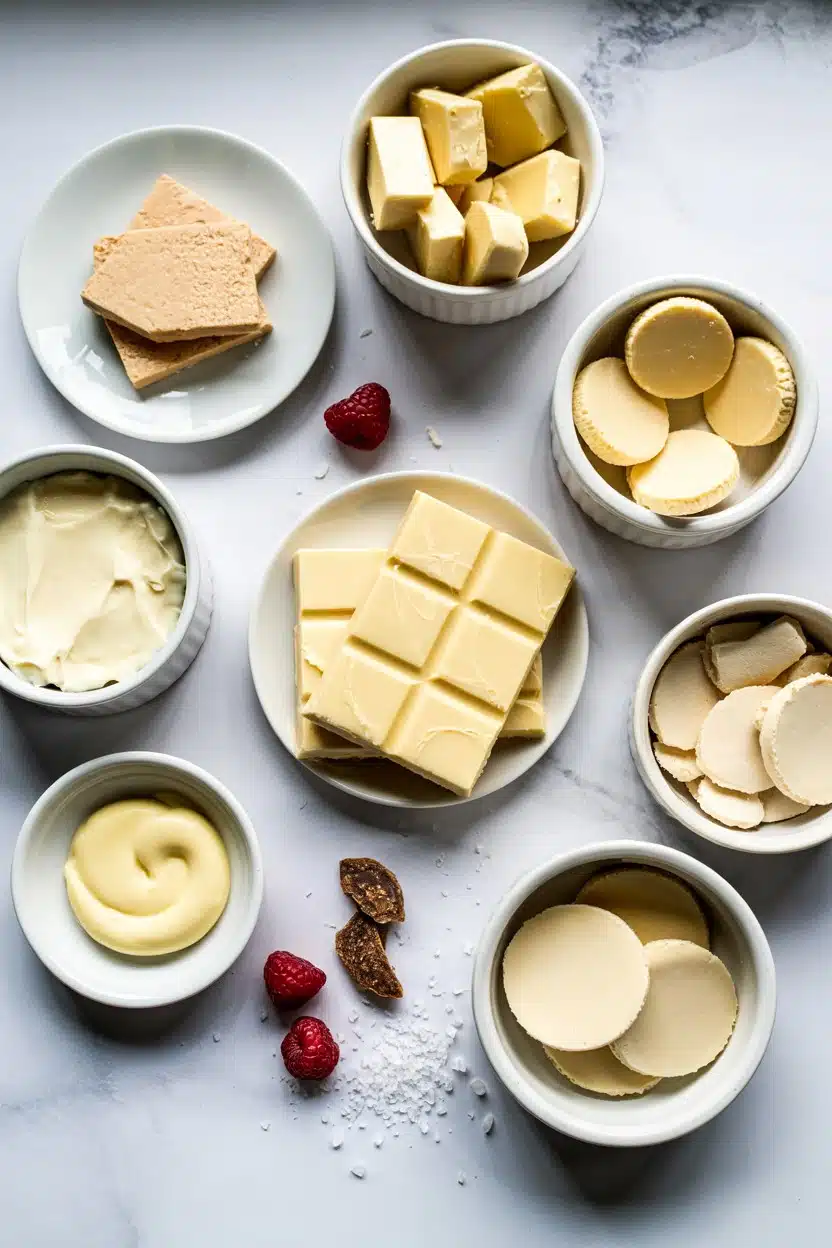
White chocolate isn't just about color-it brings vanilla-forward richness without cocoa solids. Without it, desserts can taste flat or too bitter.
A few swaps from the pantry or specialty aisle can fill the gap.
For most baking needs, we reach for couverture white chocolate or white chocolate chips-they match the fat and sweetness without changing the recipe structure. In melted applications like ganache, couverture provides smoother texture than chips, which contain stabilizers. Watch out for vegan versions that may add coconut or nutty undertones, and skip milk chocolate if color or vanilla flavor matters to the final dish.
| # | Substitute | Best For | Ratio | Key Note |
|---|---|---|---|---|
| 1 | Couverture White Chocolate | ✨ Both | 1:1 | Melts smoothly, richer flavor |
| 2 | White Chocolate Chips | 🥧 Baking | 1:1 | Less creamy when melted |
| 3 | Vegan White Chocolate | 🌱 Vegan | 1:1 | Coconut or nutty undertones |
| 4 | Condensed Milk & Cocoa Butter | 🍳 Cooking | 3:1 | Requires mixing and tempering |
| 5 | Light Milk Chocolate | ✨ Both | 1:1 | Adds cocoa and darker color |
1. Couverture White Chocolate 🎯
Couverture white chocolate comes from the baking aisle or specialty shops-it's what pastry chefs reach for when texture matters. The higher cocoa butter content makes it melt smoother than standard bars.
Remember it later
Planning to try this recipe soon? Save it for a quick find later!
Use 1:1 by weight in any recipe calling for white chocolate. It works in ganache, buttercream, and molded desserts without adjusting technique.
- ✅ Nearly identical flavor and vanilla notes
- ✅ Melts smoothly for dipping and drizzling
- ✅ Sets with a glossy finish
- ⚠️ Costs more than grocery store bars
The higher fat content means it won't seize as easily when heated. We use it when the chocolate is the star of the dish.
2. White Chocolate Chips 🍪
White chocolate chips sit in most pantries already-they're built for cookies and brownies. The stabilizers that help them hold their shape also mean they don't melt as smoothly as bars.
Use 1:1 by volume in recipes where chips stay intact or just soften. They work in cookies, muffins, and scones.
They'll melt for ganache or frosting, but expect a slightly thicker texture. Stir longer over low heat to get them smooth.
Skip them if you're tempering chocolate for candy work. The stabilizers interfere with proper crystallization.
3. Vegan White Chocolate 🌱
Vegan white chocolate swaps dairy for plant-based fats like coconut oil or cocoa butter blends. The flavor runs less creamy and may carry coconut or almond undertones depending on the brand.
Use 1:1 by weight in any dairy-free recipe. It handles baking and melting the same way standard white chocolate does.
- 🍰 In baking: Works in cakes and cookies without texture changes
- 🍫 For melting: Some brands seize more easily-melt gently
- ⚠️ Flavor shift: Expect nutty or coconut notes instead of pure vanilla
Brands vary widely in sweetness and fat content. Test one before committing to a large batch.
4. Condensed Milk & Cocoa Butter 🧈
Mixing sweetened condensed milk with white cocoa butter builds white chocolate from scratch. You're combining the sweet dairy base with the fat that gives chocolate its snap and melt.
Mix 3 parts condensed milk to 1 part melted cocoa butter over low heat. Stir constantly until smooth and glossy.
This works for homemade white chocolate sauces or frostings. The texture won't match tempered chocolate, so skip it for molded candies.
The mix doesn't set as firm as commercial bars. Use it warm as a drizzle or let it cool into a spreadable consistency. If you're low on condensed milk, Sweetened Condensed Milk substitutes for cooking can fill the gap.
5. Light Milk Chocolate 🥛
Light milk chocolate shifts both flavor and color-it adds cocoa notes and turns desserts beige instead of white. The sweetness and richness still land in the same range.
Use 1:1 by weight in recipes where appearance isn't critical. It works in brownies, cookie dough, or layered bars where color blends with other ingredients.
- Flavor: Mild cocoa taste replaces vanilla notes
- Skip if: You need pure white color or vanilla-forward taste
The cocoa content stays low enough that it won't overpower fruit or spice flavors. We use it when the chocolate adds richness but isn't the main event-similar swaps show up in replacements similar to Milk when you need creaminess with a hint of cocoa.
Picking Your White Chocolate Swap
- 🏆 For ganache or frosting: Couverture white chocolate melts cleanest
- 🍪 For cookies and muffins: White chocolate chips stay intact through baking
- 🌱 For vegan baking: Plant-based bars work 1:1 but may taste nuttier
- ⚡ Skip milk chocolate if: Color or vanilla flavor matters to the final look
Frequently Asked Questions
Dark chocolate won't work as a direct swap-it's less sweet, more bitter, and changes the color completely. If you're out of white chocolate, milk chocolate gets closer in sweetness and richness. Dark chocolate needs sugar added and still won't match the vanilla notes white chocolate brings.
Chips contain stabilizers that help them hold their shape in cookies but make them melt thicker than bars. Heat them gently over low heat and stir longer than you think you need to. Chopped bars or couverture white chocolate melt more smoothly if you need a liquid consistency.
White chocolate contains cocoa butter, sugar, and milk solids-but no cocoa solids, which is what gives dark and milk chocolate their brown color and cocoa flavor. It's technically chocolate because of the cocoa butter. The FDA requires at least 20% cocoa butter for a product to be labeled white chocolate.
You can mix cocoa butter, powdered sugar, milk powder, and vanilla to build homemade white chocolate. The texture won't match commercial bars unless you temper it properly. For quick uses like frostings or sauces, blending sweetened condensed milk with melted cocoa butter gets close enough.
Vegan white chocolate replaces dairy with plant fats like coconut oil or nut butters, so it tastes slightly different-less creamy and sometimes nuttier. Some brands get closer to traditional flavor than others. Test a small amount first if you're sensitive to coconut or almond undertones.
5 Best Substitutes for White Chocolate
Ingredients
Method
- Choose your substitute based on recipe needs such as baking, melting, or vegan requirements.
- Prepare the substitute by chopping, melting, or mixing as needed before use.
- Apply the substitute in equal amounts by weight or volume as stated for each option.
- Stir gently and thoroughly when melting to achieve a smooth, consistent texture.
- Taste and check the final flavor and appearance; adjust recipe if color or vanilla notes are critical.
Notes
- Couverture white chocolate offers the best melting texture and vanilla flavor match.
- White chocolate chips melt less smoothly due to stabilizers; chop bars for better texture if needed.
- Condensed milk with cocoa butter creates a homemade white chocolate but won't set as firm as bars.



