You reach for the ginger to grate into your curry, but the fridge drawer comes up empty. No store run tonight.
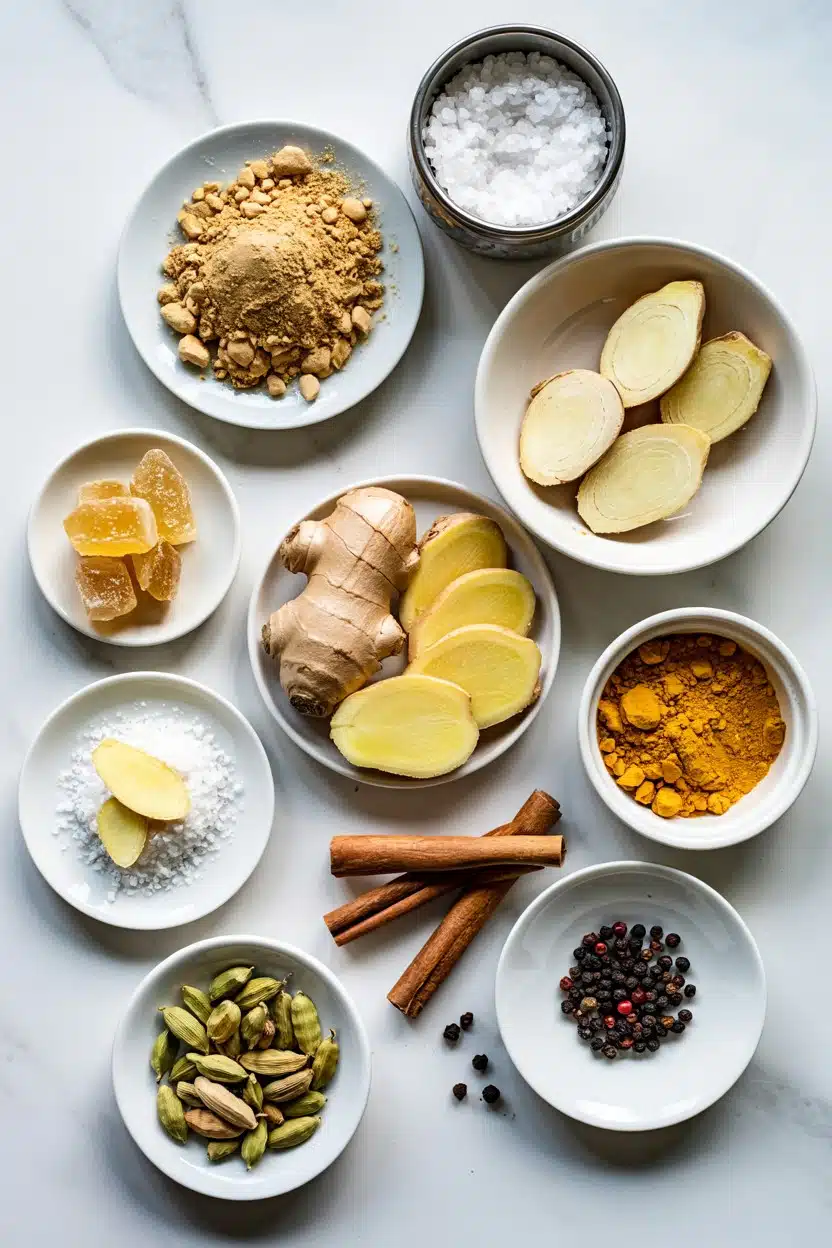
The recipe counts on ginger for spicy warmth and bright aroma. The right substitute depends on whether you need that sharpness for savory cooking or warm spice for baking.
When you're out of ginger, **galangal**, **allspice**, or **cinnamon** can step in. Galangal works best for savory dishes that need pungency. Allspice and cinnamon handle baking where warm spice matters more than sharp bite. Use small amounts first-these swaps bring different levels of heat and sweetness.
6 Top Ginger Alternatives That Hold Up
These substitutes bring warmth, but they each lean toward different flavor angles. Pick based on whether your dish is sweet, savory, or needs that citrusy bite.
Remember it later
Planning to try this recipe soon? Save it for a quick find later!
| # | Substitute | Best For | Ratio | Key Note |
|---|---|---|---|---|
| 1 | Allspice | 🥧 Baking | ¼ teaspoon per 1 tbsp | Warm, clove-like, less sharp |
| 2 | Turmeric | 🍳 Cooking | ½ teaspoon per 1 tbsp | Earthy, bitter, adds color |
| 3 | Cinnamon | 🥧 Baking | ½ teaspoon per 1 tbsp | Sweet, woody, gentle heat |
| 4 | Galangal | 🍳 Cooking | Equal fresh / ½ dried | Sharp, woodier, citrus edge |
| 5 | Cardamom | 🥧 Baking | ¼-1/2 teaspoon per 1 tbsp | Floral, sweet, aromatic |
1 - Allspice
Allspice brings warm, clove-like spice without ginger's citrusy sharpness. It works best when you need aromatic heat in baked goods or marinades where texture isn't critical.
Allspice
Works for: Cakes, cookies, spice rubs, fruit compotes
Skip if: You need fresh ginger's fibrous texture or bright citrus bite
Ground Ginger
Works for: All baking and savory dishes with sharp, peppery warmth
Skip if: You're out-allspice covers similar ground
Start with ¼ teaspoon allspice per 1 tablespoon fresh ginger and taste. The flavor reads warmer and slightly sweeter than ginger's peppery kick.
Here's what to know:
- Add late in cooking to prevent bitterness from prolonged heat
- Pairs well with cinnamon and nutmeg in sweet recipes
If you're short on allspice too, warm baking spice swaps covers cinnamon-based blends.
2 - Turmeric
Turmeric adds earthy warmth and color to curries and savory dishes. It mimics ginger's heat without the brightness, making it better for dishes where color and warmth matter more than sharp flavor.
Use ½ teaspoon turmeric per 1 tablespoon fresh ginger. The taste leans bitter and earthy, so balance it with a pinch of black pepper or a squeeze of lemon to lift the flavor.
Skip if: Your dish is sweet or needs delicate spice-turmeric overpowers gentle flavors.
3 - Cinnamon
Cinnamon offers sweet, woody warmth that works in baked goods and hot drinks. It trades ginger's sharpness for gentle spice, so it shines in recipes where you want cozy flavor without heat.
Use ½ teaspoon ground cinnamon per 1 tablespoon fresh ginger. The flavor stays mellow, so you can add more without overwhelming the dish.
Quick specs:
- Combine with cardamom or nutmeg for more depth
- Stir into batters last to avoid clumping
Skip if: You're making stir-fries or savory dishes that rely on ginger's pungency.
4 - Galangal
Galangal is the closest match for ginger's pungency and aroma in Asian cooking. It brings sharp, woody heat with a citrus edge that works in soups, curries, and stir-fries where ginger's bite is essential.
Use equal amounts of fresh galangal or half the amount if using dried. The texture stays firm even after long cooking, so slice it thin or pound it into pastes for even distribution.
The essentials:
- Fresh galangal tastes sharper-dried is milder and more piney
- Slice thin or grate to release oils faster
- Add early to build flavor through simmering
If galangal isn't stocked either, tested galangal swaps has lemongrass and kaffir lime options.
5 - Cardamom
Cardamom handles sweet dishes where you want aromatic brightness without ginger's peppery heat. It brings floral, citrusy warmth that complements baking and desserts, but it falls short in savory recipes that need pungency.
The flavor leans sweet and perfumed, so start small. Too much cardamom tastes soapy and overpowers other spices.
Key details:
- Crush whole pods for fresher flavor than pre-ground
- Mix with cinnamon for balanced warmth in baked goods
- Store in airtight containers to preserve oils
Skip if: You're cooking savory dishes that rely on ginger's sharp, spicy bite.
How to Choose a Ginger Substitute
Start with galangal for Asian savory dishes and allspice for baked goods. Adjust the amount based on how much warmth your recipe needs-ground spices concentrate faster than fresh ginger.
- Closest match - Galangal for pungent heat
- Easiest grab - Cinnamon for pantry baking
- Dietary option - Turmeric for plant-based curries
Frequently Asked Questions
Ground ginger works, but it tastes sharper and lacks texture. Use ¼ teaspoon per 1 tablespoon fresh and add it near the end to prevent bitterness from high heat.
No. Turmeric is earthy and bitter where ginger is bright and peppery. It adds warmth and color but won't mimic ginger's sharp bite.
Yes. Cinnamon brings sweet warmth that works in most baked goods. Use ½ teaspoon per 1 tablespoon fresh ginger and combine with a pinch of nutmeg for more depth.
Slice it thin or grate it before adding. Fresh galangal releases oils faster than thick slices, and simmering it in liquid mellows the woody bite.
Yes. Combine cinnamon and cardamom for sweet recipes or turmeric and black pepper for savory dishes. Start with small amounts and adjust as you taste.