Crispy bell peppers with snap peas and broccoli coated in a garlicky soy glaze. That's what happens when you stir fry vegetables at high heat for less than 10 minutes.
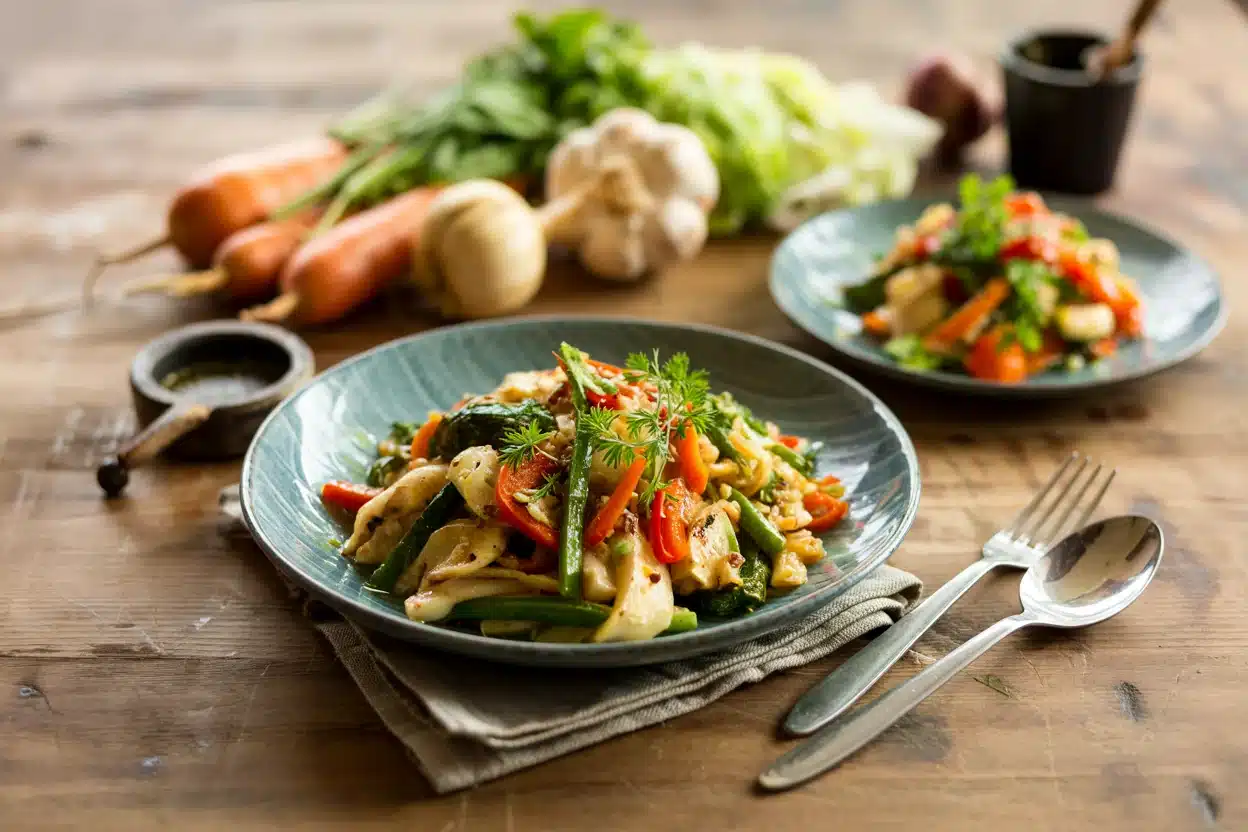
The wok does most of the work. You get vibrant colors and crisp-tender texture without steaming or overcooking.
This works for weeknight dinners when you need something fast that uses up whatever vegetables are in the crisper drawer.
Vegetable stir fry cooks in 7-10 minutes at high heat with soy sauce, garlic, and ginger. Cut vegetables into uniform pieces so everything cooks evenly. Add dense vegetables like carrots first, then softer ones like snap peas. The key is leaving space in the pan so vegetables sear instead of steam.
Why This Recipe Works
High heat and quick cooking time keep vegetables crisp-tender with bright colors. For another version that comes together fast, try a similar dish recipe that uses noodles for extra substance.
Remember it later
Planning to try this recipe soon? Save it for a quick find later!
Prep Time
15 min
Cook Time
7-10 min
Total Time
22-25 min
Servings
4 servings
Difficulty
Easy
Category
Main Dish | Side
Quick Tip
High heat, quick cook for crisp-tender veggies
Best For
Weeknight | Meal prep
Five things that make this work:
- Uniform cutting: All vegetables sliced to similar thickness cook at the same rate and finish together
- High heat searing: Medium-high heat creates slight caramelization on edges without steaming
- Staged cooking: Dense vegetables like carrots go in first, softer ones like snap peas join later
- Fresh aromatics: Garlic and ginger added after vegetables start softening prevent burning
- Minimal oil: One to two tablespoons coat vegetables without making them greasy
What You'll Need
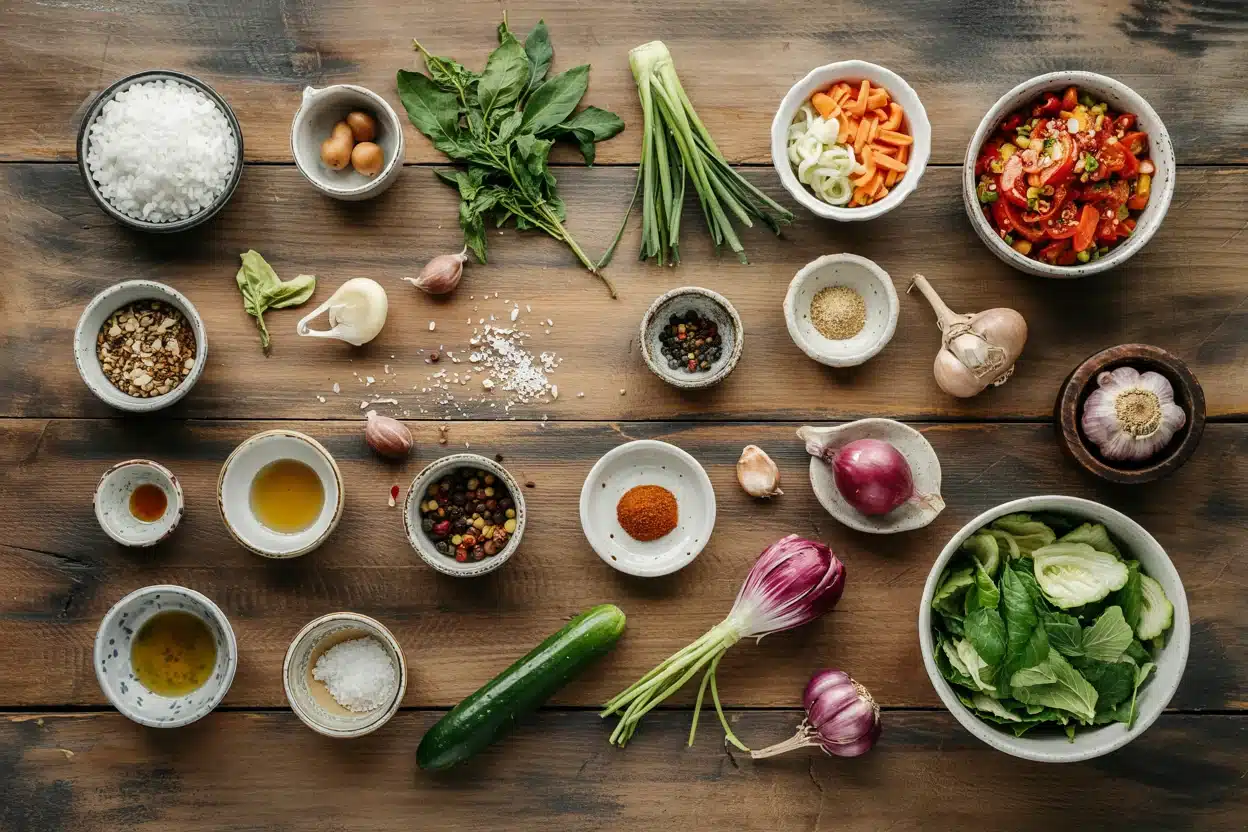
Shopping takes 10 minutes if you grab pre-cut broccoli florets and bagged snap peas. For nights when you want something heartier, a crispy fry side dish adds coconut and spices for different flavor.
- 2 cups broccoli florets
- 1 cup julienned carrots
- 1 red bell pepper, sliced
- 1 cup snap peas
- 3 cloves garlic, minced
- 1 tablespoon fresh ginger, minced
- 2 green onions, sliced
- 3 tablespoons soy sauce
- 1 teaspoon sesame oil
- 1 tablespoon cornstarch
- 2 tablespoons water
- 2 tablespoons vegetable oil
Ingredient Details
- Broccoli florets
Cut into 1-inch pieces so they cook through in 7 minutes without getting mushy - Carrots
Julienne into matchsticks for faster cooking-thick coins take too long and throw off timing - Soy sauce
Use regular or low-sodium depending on salt preference-regular adds more depth - Fresh ginger
Mince fine so it distributes evenly-large chunks taste too sharp and overpower other flavors - Sesame oil
Add at the end off heat-cooking it destroys the nutty aroma you want - Cornstarch slurry
Mix cornstarch with cold water before adding to the pan-dry cornstarch clumps immediately - Vegetable oil
Use neutral high-smoke-point oil like canola or grapeseed-olive oil breaks down at stir fry temperatures
Ingredient Swaps
Most vegetables work as long as you adjust cooking times for density. You can swap out half the vegetables without changing the method.
Four swaps that work:
- Soy sauce → tamari: Use 1:1 ratio for gluten-free version with slightly less salty taste
- Fresh ginger → ground ginger: Use ¼ teaspoon ground for every tablespoon fresh-add sparingly to avoid bitterness
- Snap peas → green beans: Cut green beans into 2-inch pieces and add with carrots since they take longer to cook
- Sesame oil → toasted peanut oil: Use same amount for similar nutty notes with higher smoke point
Frozen Vegetables
Works for: Last-minute meals when fresh produce is limited, meal prep in bulk
Skip if: You want crisp texture-frozen vegetables release water and turn mushy, need extra draining
Pre-Cut Vegetables
Works for: Saving 10 minutes prep time, weeknight speed cooking
Skip if: Pieces are unevenly sized-you'll get some raw and some overcooked vegetables
Instructions
The entire cooking process takes 10 minutes once you start. The chicken works best when it hits the table at the same time as the main, so prep everything before turning on the heat for this easy chicken recipe.
Heat the wok: Place empty wok or large skillet over medium-high heat for 2-3 minutes until a drop of water sizzles and evaporates immediately, then add 2 tablespoons vegetable oil and swirl to coat.
Cook dense vegetables first: Add broccoli and carrots, stir fry for 3-4 minutes without moving constantly-let them sit 30 seconds between stirs so edges get slight char.
Add softer vegetables: Toss in bell peppers and snap peas, stir fry 2-3 minutes until all vegetables are crisp-tender with slight bite and bright colors stay vibrant.
Sauté aromatics: Push vegetables to the side, add minced garlic and ginger to the center, cook 30 seconds until fragrant but not brown, then mix everything together.
Finish with sauce: Pour cornstarch slurry (1 tablespoon cornstarch mixed with 2 tablespoons water) and 3 tablespoons soy sauce over vegetables, toss 1 minute until sauce thickens and coats evenly, remove from heat and drizzle with 1 teaspoon sesame oil.
What to Serve With It
This needs something to soak up the sauce and make it a complete meal. For easy spinach artichoke dip dinner nights, pair this with steamed rice or noodles to stretch the vegetables further.
| Side Dish | Prep | Why It Works | How to Serve |
|---|---|---|---|
| Steamed white rice | Easy | Neutral base absorbs sauce without competing with vegetable flavors | Spoon stir fry over rice mound, let sauce drip down |
| Brown rice | Easy | Nutty flavor adds depth, extra fiber makes meal more filling | Mix stir fry into rice or serve side by side |
| Rice noodles | Easy | Light and slippery texture catches sauce, gluten-free option | Toss hot noodles directly with stir fry off heat |
| Quinoa | Easy | Higher protein content balances vegetable-only meal | Serve stir fry on quinoa bed, garnish with green onions |
| Steamed dumplings | Medium | Traditional pairing adds protein and makes meal more substantial | Arrange dumplings around stir fry, drizzle with extra soy sauce |
Three ways to serve it:
- As a main dish: Toss with cooked protein like tofu, chicken, or shrimp for complete meal
- Over noodles: Mix with cooked lo mein or rice noodles while both are hot so sauce coats evenly
- Meal prep bowls: Pack vegetables separately from rice, reheat individually to keep texture
Store and Reheat
Leftover stir fry keeps 3-4 days but texture changes slightly as vegetables release water. Pork adds the contrast this plate needs, but timing matters, so reheat carefully to maintain some crispness with a tender pork on the side.
| Method | Time | Best For |
|---|---|---|
| 🍳 Stovetop | 3-4 min | Best texture retention-heat over medium-high, stir frequently |
| 🔥 Oven | 8-10 min at 350°F | Large batches-spread on sheet pan for even warming |
| 📦 Microwave | 1-2 min | Single portions when speed matters over texture |
For best results when storing:
- Cool quickly: Spread hot stir fry on sheet pan for 10 minutes before transferring to container-prevents condensation that makes vegetables soggy
- Store in shallow container: Use wide, shallow container instead of deep bowl so vegetables cool faster and reheat more evenly
- Keep sauce separate: If meal prepping, store extra sauce in small container and add when reheating for fresher taste
- Reheat in batches: Don't overcrowd pan when reheating-cook half at a time over high heat for better texture
- Add fresh garnish: Top reheated stir fry with fresh green onions and sesame seeds to brighten flavors
Frequently Asked Questions
Yes, but drain them well first and expect softer texture. Frozen vegetables release water when heated, which creates steam instead of sear-pat them dry with paper towels before adding to the hot wok.
Store in airtight container for 3-4 days in the fridge. Reheat in hot skillet for 3-4 minutes over medium-high heat, stirring frequently-this keeps vegetables crispier than microwave reheating.
Vegetables should be crisp-tender with slight bite and colors stay bright after 7-10 minutes. Test a piece of broccoli-it should pierce easily with a fork but still have resistance, not bend or feel mushy.
Overcrowding the pan traps steam and prevents searing. Cook in two batches if your pan looks full, leaving 2 cm space between pieces-this allows hot air to circulate and vegetables to develop slight char instead of steaming.
Cook in multiple batches using the same pan instead of one large batch. Each batch takes 7-10 minutes-cooking everything at once lowers pan temperature and creates soggy, steamed vegetables instead of crisp stir fry.
Use high heat and minimal stirring. Let vegetables sit in contact with the hot pan for 30 seconds between stirs-constant movement prevents browning and makes them steam instead of sear.
Yes, cook protein separately first, then add it back at the end. Chicken, tofu, or shrimp need different cooking times than vegetables-cooking them together overcooks the protein or undercooks the vegetables.
Vegetable Stir Fry
Ingredients
Equipment
Method
- Place empty wok or large skillet over medium-high heat for 2-3 minutes until a drop of water sizzles and evaporates immediately. Then add 2 tablespoons vegetable oil and swirl to coat.
- Add broccoli florets and julienned carrots. Stir fry for 3-4 minutes without moving constantly, letting them sit for 30 seconds between stirs to develop slight char.
- Add sliced red bell pepper and snap peas. Stir fry for another 2-3 minutes until all vegetables are crisp-tender with vibrant colors.
- Push vegetables to the side of the pan. Add minced garlic and ginger to the center and cook for 30 seconds until fragrant but not browned, then mix everything together.
- Pour cornstarch slurry (1 tablespoon cornstarch mixed with 2 tablespoons water) and 3 tablespoons soy sauce over vegetables. Toss for 1 minute until sauce thickens and coats evenly. Remove from heat and drizzle with 1 teaspoon sesame oil.
Notes
- Cut vegetables uniformly to ensure even cooking and prevent some pieces from being undercooked or mushy.
- Heat the wok empty for 2-3 minutes before adding oil to prevent sticking and improve searing.
- Avoid overcrowding the pan; cook in batches if necessary to keep vegetables crisp and prevent steaming.