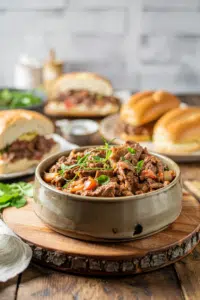
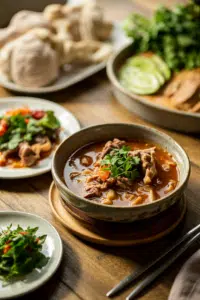
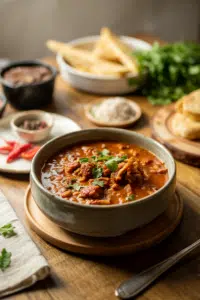
Osso Buco often takes hours of stovetop babysitting, but a slow cooker turns it into something you can walk away from. The trick is browning the veal shanks first to build depth, then letting low heat break down the collagen into silky tenderness.

The marrow melts into the sauce while you're doing literally anything else. You get restaurant-level results without standing over the stove.
Make this when you want comfort food that feels fancy but doesn't require you to hover in the kitchen all evening.
Slow Cooker Osso Buco delivers fork-tender veal shanks braised in white wine and aromatics. Brown the meat first for depth, then let the slow cooker handle the rest while you go about your day. The result is fall-off-the-bone meat with rich, gelatinous sauce and marrow that melts into every bite.
Why This Recipe Works
Low, steady heat transforms tough connective tissue into tender, fall-apart meat without any stirring or flipping. For a version that comes together quickly, simple homemade alfredo pairs well with the same slow-cooked approach but uses pasta instead of meat.
Remember it later
Planning to try this recipe soon? Save it for a quick find later!
Prep Time
20 min
Cook Time
6-8 hours low or 4 hours high
Total Time
6.5-8.5 hours
Servings
4-6 servings
Difficulty
Medium
Category
Main Dish
Quick Tip
Brown shanks first for deeper flavor.
Best For
Weeknight | Meal prep | Entertaining
What makes this work:
- Browning creates flavor foundation - Searing veal shanks in a hot skillet before slow cooking builds caramelized depth that the broth alone can't provide
- Low heat breaks down collagen - Cooking at 200-210°F for 6-8 hours turns tough connective tissue into silky gelatin that coats the meat
- Wine adds necessary acid - White wine cuts through the richness of marrow and deglazes the pan fond for concentrated flavor
- Marrow melts into sauce - The bone marrow slowly renders during cooking, enriching the braising liquid without any extra work
- Gremolata brightens the finish - Fresh lemon zest, parsley, and garlic stirred in at the end balances the deep, savory flavors with brightness
What You'll Need
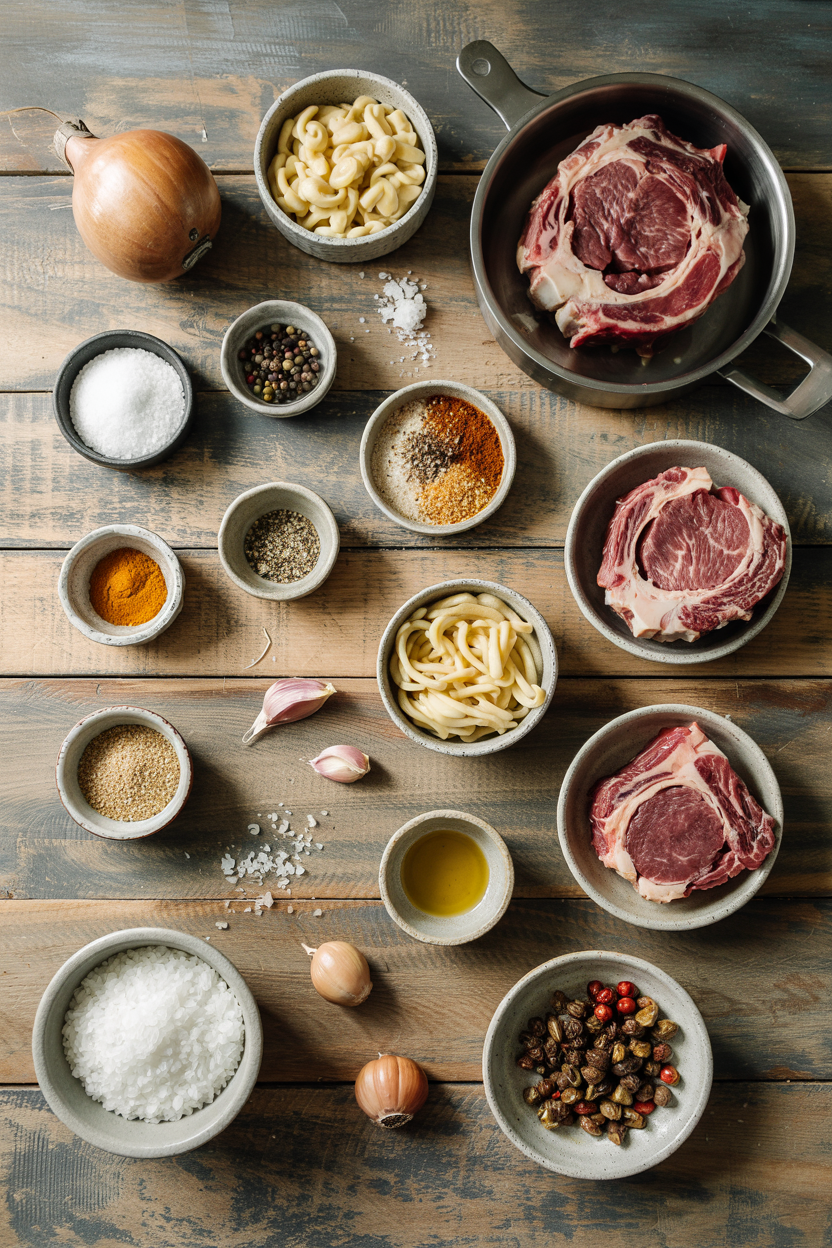
Shopping for this is straightforward if you know where to look-veal shanks come from the butcher counter, not the packaged meat section. We keep a batch ready for nights like this - classic fries dish rounds out the plate without adding much active time.
- 4 veal shanks (1½-2 inches thick)
- 1 yellow onion (diced)
- 2 carrots (diced)
- 2 celery stalks (diced)
- 4 garlic cloves (minced)
- ½ cup white wine
- 1 cup beef or chicken broth
- 2 tablespoons tomato paste
- 2 bay leaves
- Zest of 1 lemon
- ¼ cup fresh parsley (chopped)
- 1 garlic clove (minced)
Ingredient Details
- Veal Shanks
Ask the butcher for center-cut shanks 1½-2 inches thick-thinner pieces dry out, thicker ones need longer cooking - White Wine
Use dry white wine (Pinot Grigio, Sauvignon Blanc)-sweet wines make the sauce cloying and unbalanced - Tomato Paste
Tomato paste adds concentrated umami and helps thicken the sauce-crushed tomatoes work but thin the liquid - Carrots and Celery
Dice to ½-inch pieces so they soften without turning mushy during the long cook time - Bay Leaves
Two bay leaves are enough-more than that overpowers the delicate veal flavor - Lemon Zest
Zest the lemon before juicing and store zest in the fridge until you're ready to make gremolata - Fresh Parsley
Flat-leaf parsley has better flavor than curly for gremolata-chop it just before serving to keep it bright
Ingredient Swaps
Veal shanks can be pricey or hard to find, so beef shanks work as a budget-friendly stand-in that delivers similar texture. A good alfredo can make or break the plate - bright salad recipe adds the contrast this rich main needs without competing for attention.
Four swaps that work:
- Beef shanks instead of veal - Use the same weight but add 1-2 hours to cooking time since beef connective tissue is tougher
- Dry vermouth instead of white wine - Use the same amount for similar acidity and depth without opening a bottle of wine
- Vegetable broth instead of beef/chicken broth - Lighter flavor but keeps the recipe gluten-free and works for pescatarian diets
- Orange zest instead of lemon zest in gremolata - Changes the brightness slightly but still balances the richness of the meat
Beef Shanks
Works for: Budget-conscious cooks who want similar texture and don't mind slightly darker flavor
Skip if: You want the traditional delicate veal taste or don't have an extra 1-2 hours for cooking
Crushed Tomatoes
Works for: When you don't have tomato paste and want a slightly thinner, more tomato-forward sauce
Skip if: You prefer a thick, concentrated sauce-crushed tomatoes add too much liquid without reduction
Instructions
Browning takes 15 minutes, then the slow cooker runs unattended for 6-8 hours while you handle everything else on your to-do list. Rich mains need something to cut through, and this dip does exactly that - a creamy dip side balances the plate without adding extra cook time.
Sear the veal shanks. Heat 2 tablespoons oil in a heavy skillet over high heat until shimmering. Pat shanks dry with paper towels, season both sides with salt and pepper, then sear 3-4 minutes per side until deep golden brown. Transfer shanks to slow cooker.
Build the braising base. In the same hot skillet, add diced onion, carrots, and celery. Cook 3-4 minutes, stirring occasionally, until softened. Add minced garlic and tomato paste, cook 1 minute until fragrant. Pour in white wine, scraping up any browned bits from the pan bottom, then transfer everything to slow cooker over the shanks.
Add liquid and aromatics. Pour beef or chicken broth over the vegetables and shanks in the slow cooker. Tuck in bay leaves. Liquid should come halfway up the shanks-add more broth if needed, but don't submerge the meat completely.
Cook low and slow. Cover and cook on low 6-8 hours or high 4 hours. Shanks are done when meat easily pulls away from the bone with a fork and internal connective tissue has melted into the sauce. Skim any fat from the surface halfway through if possible.
Finish with gremolata. Just before serving, mix lemon zest, chopped parsley, and minced garlic in a small bowl. Spoon sauce over shanks on serving plates, then top each with a generous pinch of gremolata for brightness and contrast.
What to Serve With It
The richness of Osso Buco needs something starchy to soak up the sauce and something fresh to cut through the marrow fat. For a version that comes together quickly, complete watermelon gazpacho meal ideas offer light, cooling contrasts that work well with slow-cooked Italian mains.
| Side Dish | Prep | Why It Works | How to Serve |
|---|---|---|---|
| Creamy Polenta | Easy | Soft, mild base soaks up braising sauce without competing for attention | Spoon onto plate first, nestle shank on top, drizzle sauce over both |
| Risotto alla Milanese | Medium | Traditional Italian pairing-saffron's earthy sweetness complements veal's delicate flavor | Serve risotto alongside shanks, garnish both with gremolata for visual contrast |
| Garlic Mashed Potatoes | Easy | Buttery potatoes balance rich marrow fat and absorb every drop of sauce | Mound potatoes on plate, lean shank against them, spoon sauce over everything |
| Steamed Green Beans | Easy | Crisp, fresh texture cuts through heaviness and adds bright green color to the plate | Toss with lemon juice and salt, pile alongside shanks for visual and textural contrast |
| Crusty Bread | Easy | Chewy bread soaks up sauce and marrow without adding extra cook time | Tear bread into chunks, serve in a basket for passing-let diners sop up sauce themselves |
Three ways to serve it:
- Weeknight plate: Creamy polenta + steamed green beans + crusty bread for soaking up every bit of sauce
- Entertaining dinner: Saffron risotto + braised greens + roasted root vegetables for a traditional Italian feast
- Meal prep bowls: Mashed potatoes + sautéed spinach + shredded leftover meat for quick reheat lunches
Store and Reheat
Osso Buco gets better after a day in the fridge as the gelatin from the marrow thickens the sauce into a rich, coating consistency. Rich mains need something to cut through, and potato wedges does exactly that - fluffy mashed potato dish reheats well alongside the braised meat for easy meal prep.
| Method | Time | Best For |
|---|---|---|
| 🍳 Stovetop | 10-15 min over medium-low | Best texture and sauce control-add a splash of broth if sauce is too thick |
| 🔥 Oven | 20-25 min at 325°F (160°C) | Even reheating for multiple servings-cover with foil to prevent drying |
| 📦 Microwave | 2-3 min medium power | Quick single-serving reheat-stir halfway and watch closely to avoid drying edges |
For best results when storing:
- Cool completely before refrigerating - Let shanks sit at room temperature 30 minutes, then transfer to shallow containers with sauce
- Store shanks and sauce together - Keeping meat submerged in braising liquid prevents it from drying out in the fridge
- Freeze in individual portions - Wrap each shank separately with ¼ cup sauce in freezer-safe bags, label with date
- Skim fat when cold - Refrigerated sauce develops a solid fat cap on top that lifts off easily before reheating
- Make gremolata fresh - Don't store gremolata with the meat-the lemon zest and parsley lose their brightness after a few hours
Frequently Asked Questions
Cook on low for 6-8 hours or high for 4 hours. Meat is done when it easily pulls away from the bone with a fork and internal connective tissue has turned gelatinous.
Yes-cook fully, cool completely, then refrigerate overnight in the sauce. The flavors deepen and the sauce thickens as the marrow gelatin sets. Reheat gently on the stovetop before serving.
Risotto alla Milanese (saffron risotto) is the classic pairing. Creamy polenta and garlic mashed potatoes also work well to soak up the rich braising sauce.
The meat should pull away easily from the bone with a fork and feel tender when you press it. The marrow in the center will be soft and spreadable, and the sauce will have thickened from the released collagen.
Yes-use the same weight of beef shanks but add 1-2 hours to the cooking time on low. Beef has tougher connective tissue that needs longer to break down, and the flavor will be slightly darker and more robust than traditional veal.
Slow Cooker Osso Buco
Ingredients
Equipment
Method
- Heat 2 tablespoons oil in a heavy skillet over high heat until shimmering. Pat veal shanks dry and season with salt and pepper. Sear shanks for 3-4 minutes per side until deep golden brown. Transfer seared shanks to slow cooker.4 veal shanks, 2 tablespoons oil
- In the same hot skillet, add diced onion, carrots, and celery. Cook for 3-4 minutes, stirring occasionally, until softened. Add minced garlic and tomato paste; cook 1 minute until fragrant. Pour in white wine and scrape up browned bits from pan bottom.1 cup yellow onion, 2 carrots, 2 stalks celery, 4 cloves garlic, ½ cup white wine, 2 tablespoons tomato paste
- Pour the cooked vegetable mixture over the veal shanks in the slow cooker. Add beef or chicken broth and tuck in bay leaves. Ensure liquid comes halfway up the shanks but does not fully submerge the meat.1 cup beef or chicken broth, 2 bay leaves
- Cover and cook on low for 6-8 hours or on high for 4 hours. Meat is done when it easily pulls away from the bone and the connective tissue has melted into the sauce. Skim any fat from the surface halfway through cooking if possible.4 veal shanks
- Just before serving, mix lemon zest, chopped parsley, and minced garlic in a small bowl to make gremolata. Spoon sauce over veal shanks on plates and top with a generous pinch of gremolata for brightness and contrast.1 lemon, 0.25 cup fresh parsley, 1 clove garlic
Notes
- Always sear the veal shanks before slow cooking to develop deep, caramelized flavor.
- Do not add too much liquid; about 1½ cups total broth and wine is ideal to avoid watery sauce.
- Make gremolata up to 2 hours ahead but store covered at room temperature to preserve its freshness.