Most people treat Italian dressing as an afterthought - something poured straight from a bottle onto iceberg lettuce without a second thought.
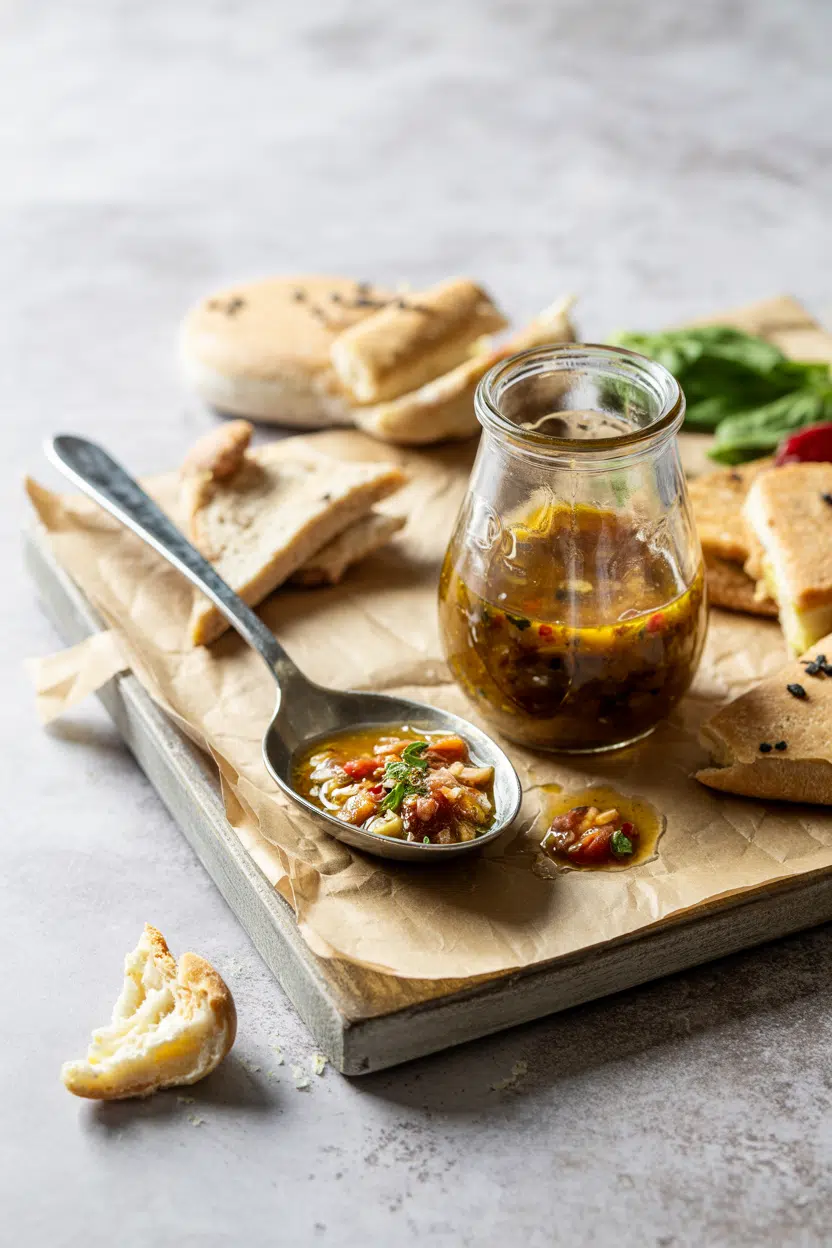
The reality is that Italian dressing is a carefully balanced vinaigrette, and understanding what's actually in it changes how you use it.
Unlike what makes ranch dressing distinct with its creamy, dairy-forward base, Italian dressing is oil-and-vinegar at its core, sharpened with dried herbs, garlic, and just enough sweetness to keep the acidity in check.
If you've ever wondered why the bottled version tastes nothing like a homemade a balsamic vinaigrette dressing (homemade) recipe you've made from scratch, the answer lives in the ingredient list.
Italian dressing is an oil-and-vinegar vinaigrette seasoned with dried herbs, garlic, and optional sweeteners. It's tangy, herb-forward, and moderately sharp - equally useful as a salad dressing and a short-term marinade.
What Is Italian Dressing?
Italian dressing is an oil-and-vinegar based vinaigrette seasoned with dried herbs, garlic, and sometimes a small amount of sugar or lemon juice.
Remember it later
Planning to try this recipe soon? Save it for a quick find later!
Despite its name, it's largely an American invention - Italian-American restaurants popularized the style, and bottled versions became a pantry staple across the U.S. from the mid-20th century onward.
The dressing falls into the vinaigrette category, meaning oil is the dominant component, held in loose suspension with an acidic liquid. White wine vinegar or distilled vinegar is most common in commercial versions; better-quality bottles often use red wine vinegar for a slightly deeper flavor.
You'll also see it labeled as Italian vinaigrette or zesty Italian on retail shelves. The main subtypes break down like this:
- 🫙 Shelf-stable bottled - made with distilled or wine vinegar, stabilizers, and dried herbs; the standard grocery store version
- ❄️ Fresh refrigerated - shorter shelf life, brighter herb flavor, often found near deli sections
- 🥣 Homemade - customizable ratio of olive oil to vinegar, fresh or dried herbs, no preservatives
Some commercial versions include parmesan or Romano cheese for added savoriness, while others skip dairy entirely - worth checking if you're cooking for specific diets.
What Does Italian Dressing Taste Like?
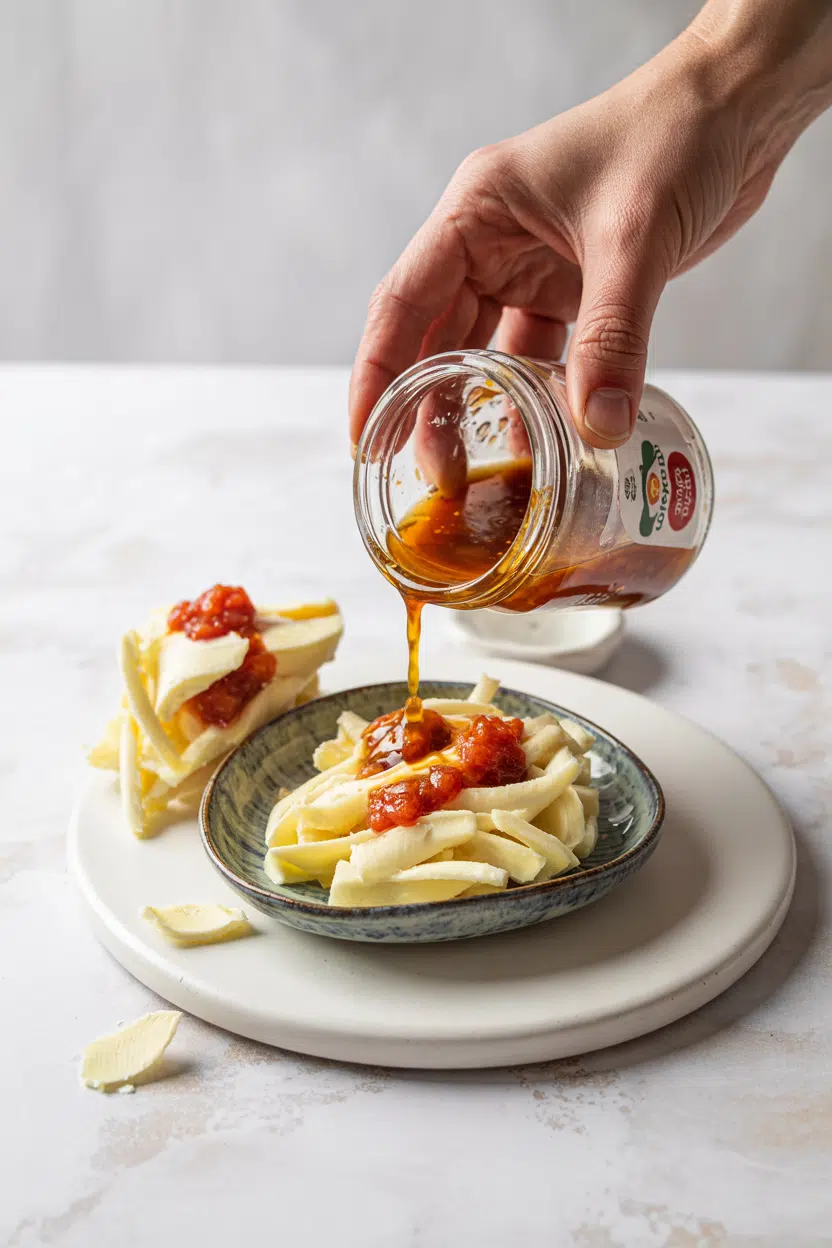
Italian dressing tastes like a classic oil-and-vinegar vinaigrette with noticeably stronger dried-herb and garlic notes layered on top.
The vinegar hits first - sharp and bright - before the oregano, basil, and parsley round it out with an earthy, slightly dusty herb character.
Commercial versions use added sugar or honey to soften the acidity, which is why they taste noticeably rounder than a stripped-down homemade version.
Homemade Italian dressing built with good olive oil and fresh garlic has a brighter, more assertive edge.
The texture is thin - it coats rather than clings, so heavier ingredients like pasta or sturdy greens carry it well.
How to Use Italian Dressing
Italian dressing works across more situations than most people try.
Its acidity and herb profile make it particularly strong as a short-term marinade - chicken thighs, shrimp, or tofu left in Italian dressing for 30 to 60 minutes pick up clear herb-and-garlic flavor without becoming mushy.
| Method | Best For | Tip |
|---|---|---|
| 🥗 Tossing | Green salads, cold pasta salads with olives and vegetables | Dress right before serving to avoid wilting |
| 🍗 Marinating | Chicken, shrimp, tofu - before grilling or roasting | 30-60 min max; longer breaks down protein texture |
| 💧 Finishing drizzle | Roasted vegetables, grain bowls, grilled fish | Add after cooking - heat kills the herb brightness |
For salads, romaine, iceberg, tomatoes, cucumbers, and pepperoncini are natural partners. Pasta salads are where Italian dressing earns serious mileage - the acidity keeps the dish lively even when chilled, and it coats shapes like rotini or farfalle evenly.
Grain bowls built on farro or barley also benefit from a light drizzle, where the dressing acts as the acidic brightness that ties the bowl together.
Italian dressing pairs predictably well with Italian-American and Mediterranean-inspired dishes: antipasto plates, grilled vegetables like bell peppers and zucchini, and anything featuring mozzarella or parmesan.
If you're running short on a harder cheese, options covered in replacements for parmesan cheese work just as well in a salad or pasta context.
One category to avoid: fruit salads. The dried-herb and garlic notes clash against sweet fruit in a way that no amount of added sugar fixes.
If you want a tangy dressing that leans sweeter, replacements for italian dressing with a honey-citrus base can cover that gap instead.
How to Buy and Store Italian Dressing
Choose a clear bottle so you can see oil color and sediment. Ingredient labels worth trusting list olive oil or canola oil first, followed by white wine or red wine vinegar - not just "vegetable oil" and distilled vinegar.
Fresh refrigerated versions near the deli counter offer livelier herb aroma; check the use-by date and smell it when opened.
Storage is straightforward - unopened commercial bottles sit fine in a cool, dark pantry.
Once opened, refrigerate and use within 3 to 6 months.
Homemade Italian dressing, especially versions using fresh herbs or garlic, lasts only 1 to 3 months refrigerated.
For a detailed breakdown, how long italian dressing keeps covers shelf life across all formats.
The oregano used in the dressing matters more than many people realize - comparing dried oregano vs ground oregano options is worth reading before making a batch from scratch.
Start With the Salad, Then Try the Marinade
If you're new to Italian dressing beyond the salad bowl, start with a simple pasta salad: rotini, cherry tomatoes, black olives, and a generous pour of dressing, chilled for an hour before serving.
That single recipe demonstrates the full flavor range - the vinegar lifts, the herbs settle in, and the oil coats everything evenly.
Once that clicks, the jump to using it as a chicken marinade before grilling is a small and worthwhile step.
Frequently Asked Questions
Not exactly. Italian dressing is a type of vinaigrette, but it includes a specific dried-herb blend - usually oregano, basil, and parsley - plus garlic. A plain vinaigrette is just oil, acid, and seasoning with no fixed herb profile.
Yes, and it works well for chicken, shrimp, and tofu. Keep marinating time to 30-60 minutes - the vinegar acidity begins to break down protein structure beyond that, making the texture grainy.
Most Italian dressings are naturally gluten-free. However, some commercial versions add thickeners or flavor carriers derived from wheat, so checking the label for a certified gluten-free mark is the safest move.
The base is oil and vinegar - typically canola or olive oil with white wine or red wine vinegar. Dried oregano, basil, parsley, garlic, salt, and sometimes sugar or lemon juice round out the flavor.
Blend it briefly with a small amount of Dijon mustard or add a teaspoon of honey - both act as emulsifiers that hold oil and vinegar together longer. A pinch of xanthan gum achieves the same effect without changing the flavor.