Most people reach for an apricot expecting a peach, then pause at the first bite - the sweetness is more concentrated, the tartness sharper, and there's a floral note that plum and peach simply don't carry.
That gap between expectation and reality is exactly why apricots get misused: too often eaten underripe, or dismissed as "just for apricot jam." They deserve better.
Apricots are small stone fruits with sweet-tart, honeyed flavor and a floral edge. Fresh apricots peak in summer and bruise easily; dried and canned forms work year-round. They shine in both sweet and savory cooking - from French confiture to Moroccan tagines.
What Is Apricot?
Apricots belong to the stone fruit family (Prunus armeniaca), alongside peaches, plums, and cherries. Native to Central Asia, they traveled westward along the Silk Road and took root across the Mediterranean, Middle East, and eventually Europe and North America.
Remember it later
Planning to try this recipe soon? Save it for a quick find later!
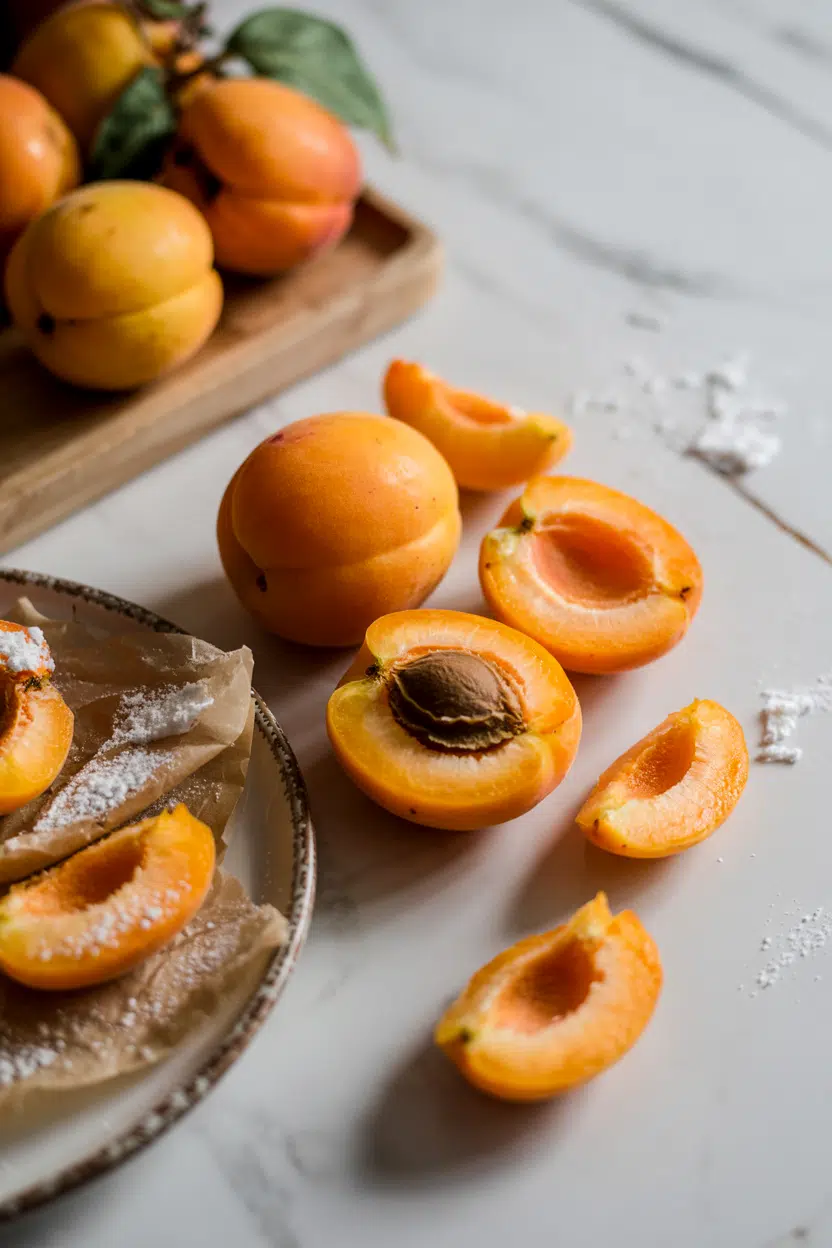
The fruit is small and round, rarely larger than a golf ball, with velvety skin ranging from pale yellow to deep orange.
A single hard pit sits at the center - that pit kernel, by the way, is the raw material for marzipan's close cousin, almonds being the more common stand-in in modern baking.
Several varieties define commercial and home markets:
- Blenheim apricot - A California heirloom prized for its complex, aromatic flavor; considered the gold standard for fresh eating and jam-making.
- Moorpark apricot - A larger English variety with deep orange flesh and rich sweetness; popular for preserving and baking.
- Turkish apricot - Usually sold dried; smaller and more intensely flavored than fresh Western varieties, dominant in Middle Eastern and Central Asian cooking.
- Canned apricot halves - Whole halves packed in juice or syrup; useful when fresh is out of season, though the texture softens considerably.
Regional names vary. In parts of France the dried form appears on charcuterie boards alongside cheese and called abricot sec, while in some older texts the Latin Prunus armeniaca still appears.
What Does Apricot Taste Like?
Fresh apricots deliver a sweet-tart balance that sits closer to honeyed sweetness than pure sugar. There's a bright citrus tang - more concentrated than a peach, without the peach's milder, watery finish.
Texture shifts noticeably with heat. Raw, a ripe apricot is firm but yields quickly under pressure - jammy just below the skin.
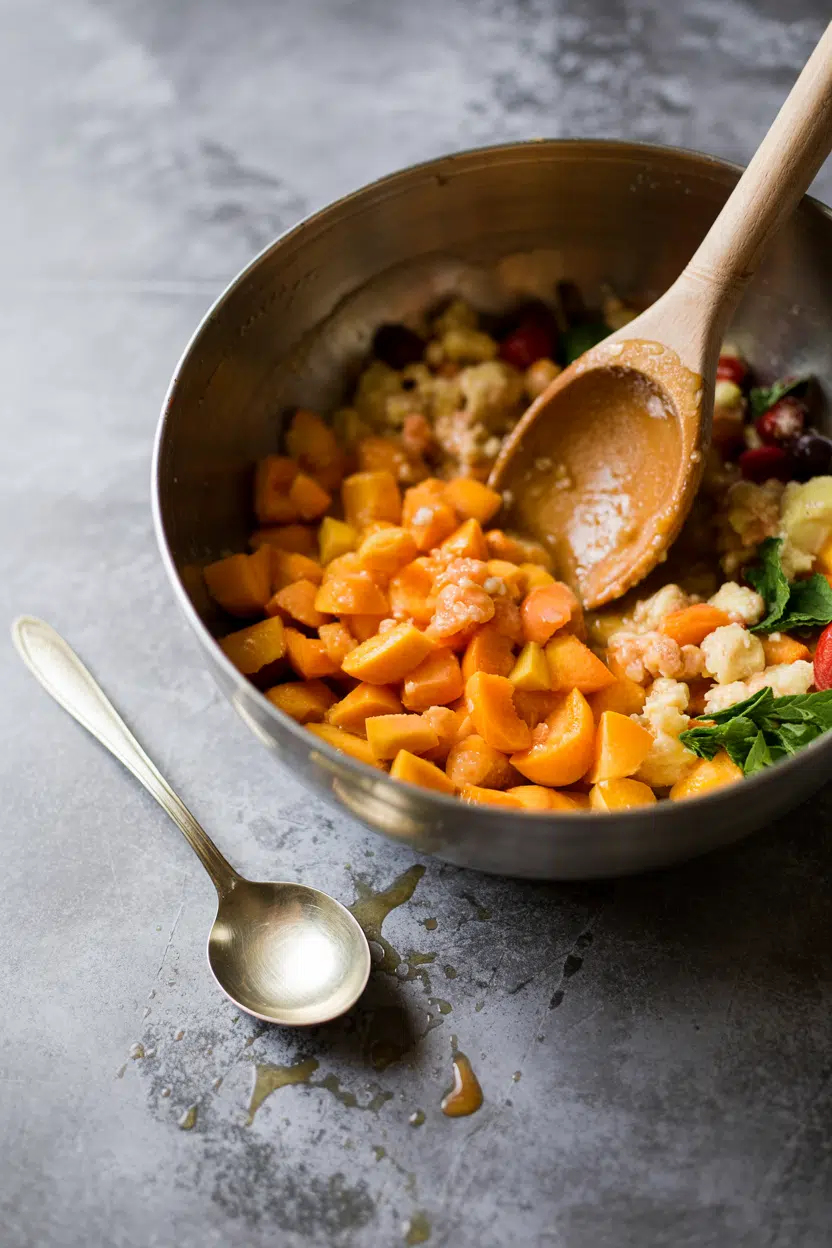
Cook it down and that flesh collapses into a thick, glossy sauce with deeper, more caramel-like sweetness.
Dried apricots behave differently again. The drying process strips water and concentrates the tartness, producing a chewier, more acidic bite. Unsulfured dried apricots turn dark brown and taste earthier; sulfured ones stay bright orange and hold more of that fresh, tangy character.
How to Use Apricot
Apricots cross the sweet-savory line more naturally than most fruit. North African cooking exploits this best - braised into lamb tagines with ras el hanout and preserved lemon, Turkish dried apricots add a jammy, concentrated backbone that balances fatty meat.
In French and Mediterranean kitchens, fresh apricots poach into elegant tarts, and confiture d'abricot (apricot jam) doubles as a glaze for pastries. Roasting apricot halves at high heat with a drizzle of honey caramelizes the cut face and amplifies the floral notes considerably.
| Method | Best For | Tip |
|---|---|---|
| 🥗 Fresh/Raw | Yogurt bowls, cheese boards, sliced salads | Use only fully ripe fruit; slice just before serving |
| 🍳 Stewed/Jam | Confiture, compotes, glazes | Add lemon juice early - it sharpens flavor and helps pectin set |
| 🔥 Roasted/Grilled | Honey-glazed desserts, savory meat accompaniments | Halve and place cut-side down first for better caramelization |
| 🫙 Poached/Canned | Tarts, compotes, wine-poached fruit | Use dry white wine or verjuice for a less sweet result |
| 🌿 Dried | Tagines, trail mix, grain salads, stuffings | Soak briefly in warm water to restore texture before cooking |
Pairings lean heavily on complementary richness and acidity. Goat cheese or ricotta softens the tartness; almonds mirror the pit kernel's nuttiness; rosemary or thyme bridges fresh apricots into savory territory. Citrus - especially lemon and orange zest - sharpens the floral note rather than competing with it.
Avoid strong anise or licorice flavors. They overwhelm apricot's delicate floral profile entirely.
How to Buy and Store Apricot
Good fresh apricots have a warm orange blush, slight give near the stem end, and no green patches. Avoid fruit with wrinkled skin, brown bruises, or any soft collapse around the stem cavity - those signal over-the-hill or damaged flesh.
For storage: ripen firm apricots at room temperature, away from direct sun, for 1-3 days. Once they yield slightly to pressure, move them to the fridge in a breathable container or paper bag.
Ripe fruit holds for 2-4 days before softening further. If you need a swap mid-recipe, plum replacements cover similar sweet-tart roles in most savory applications.
For dried apricots, store in an airtight container in a cool, dark pantry. They keep for several months without refrigeration.
Where to Start with Apricot
New to cooking with apricots? Begin with dried Turkish apricots - they're forgiving, shelf-stable, and immediately useful in grain dishes, cheese boards, or a quick tagine. Fresh apricots reward patience: buy a few days ahead, ripen them properly, and eat them at peak.
Once you're confident with the flavor, move into roasting or jam. A simple honey-roasted apricot over yogurt is the fastest way to understand how heat transforms this fruit - and it takes under twenty minutes.
Frequently Asked Questions
Apricots are sweeter and more concentrated than peaches, with a sharper tartness and a distinct floral note. Peaches taste milder and juicier; apricots have more citrus edge and less water in the flesh.
Leave firm apricots at room temperature, stem-side down, away from direct sunlight. They typically soften within 1-3 days. Don't refrigerate until they yield slightly to gentle pressure near the stem.
Fresh apricots are relatively low in sugar - about 3-4 grams per fruit. Dried apricots concentrate that sugar significantly, delivering roughly 8-9 grams per 5-piece serving, so portion size matters there.
Yes - halve and pit them first, then freeze on a tray before transferring to a bag. Thawed apricots are soft and best used in cooked applications like jam, sauces, or baked goods rather than eaten fresh.
Raw apricot kernels contain amygdalin, which converts to cyanide during digestion - eating several can be harmful. Small amounts used in some traditional confections are processed to reduce this risk, but snacking on raw kernels isn't recommended.