Product note: ForkliftKitchen may earn a commission from qualifying purchases made through product links on this page. Learn more.
Otafuku Katsu Sauce is the best katsu sauce overall. Its tangy, savory profile cuts through fried pork or chicken without turning the crisp crust into a sugary barbecue bite.
Bull-Dog Tonkatsu Sauce is the better choice when you want a sweeter, fruit-forward finish. Kikkoman Katsu Sauce leans smokier and comes in a 74-ounce foodservice jug, so it suits frequent service better than an occasional home dinner.
The wrong sauce can erase the reason you fried the cutlet until crisp. Too much sweetness hides the meat, while a heavy pour softens the panko before you reach the second slice.
We compared three exact ready-to-use sauces by tang, fruit sweetness, smoke, body, pour control, cutlet pairing, and package volume.
Curry roux, homemade recipes, yakiniku sauce, and bottles without a confirmed exact identity stay outside this ranking.
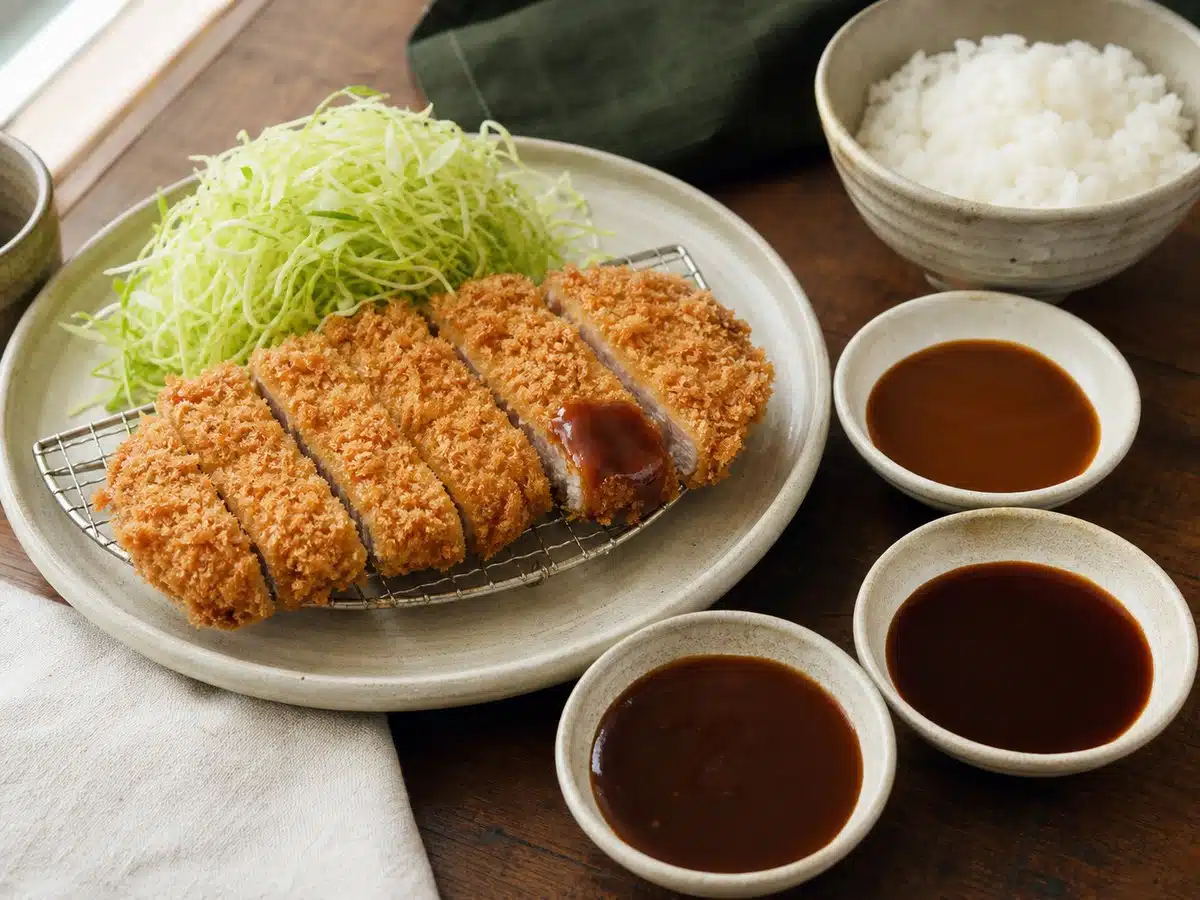
3 Best Katsu Sauces for Pork, Chicken, and Katsu Sando
Choose the flavor first, then make sure the bottle size fits. Otafuku is the easiest all-around bottle because it brings enough acid to refresh a fried bite without making sweetness or smoke the whole story.
Save this ranking
Comparing these products later? Save this ranking for a quick return.
All three sauces are ready to pour. Their useful differences appear when the same sauce meets rich pork, mild chicken, plain cabbage, or a sandwich that puts sauce in every bite.
- 🍴 Cutlet balance. The sauce needs enough acid and savoriness to lift fried breading without hiding the meat.
- 🍎 Sweetness and fruit. A fruit-forward sauce should taste rounded, not like plain ketchup poured over a cutlet.
- 🔥 Smoke. Smoky depth can suit sandwiches and grilled sides, but it can overpower mild chicken.
- 📦 Package fit. A small squeeze bottle and a 74-ounce jug belong in different kitchens.
| # | Product | Best For | Key Note |
|---|---|---|---|
| 1 | Otafuku Katsu Sauce | 🏆 Best Overall | Balanced tang, 14 oz |
| 2 | Bull-Dog Tonkatsu Sauce | 🍎 Sweeter Tonkatsu | Fruit-forward, 10.1 fl oz |
| 3 | Kikkoman Katsu Sauce | 📦 High-Volume Use | Smoky, 74 oz |
1. Otafuku Katsu Sauce

Otafuku keeps fried food tasting like fried food. The sauce brings tang, savory depth, gentle fruit sweetness, and enough body to cling to a sliced cutlet without becoming sticky glaze.
That balance makes it the safest first bottle for a mixed household. Pork has enough richness to handle the sauce, while chicken keeps its mild flavor instead of turning into a barbecue sandwich by accident.
The tang also works with finely shredded cabbage.
A little sauce that reaches the cabbage creates contrast, but the vegetable still tastes fresh enough to reset your palate between fried bites.
Otafuku describes the product as vegan and gluten free. Ingredient formulas and dietary needs can change, so read the current bottle when either claim affects your purchase.
The 14-ounce squeeze bottle gives you more room than Bull-Dog's 10.1-ounce bottle without jumping to foodservice volume. It is manageable for several family meals and small enough to test before committing to a case.
Use a thin zigzag on sliced pork or chicken. For maximum crunch, put a small pool beside the cutlet and dip one edge at a time.
- Balanced tang and sweetness
- Versatile across pork and chicken
- Practical 14-ounce bottle
- Less sweet than some tonkatsu fans expect
- Still softens crust under a heavy pour
- Dietary claims require a current-label check
2. Bull-Dog Tonkatsu Sauce

Bull-Dog is the choice for a sweeter fruit-and-vegetable finish that feels at home on a classic pork cutlet plate. It is rounder and softer than the brighter Otafuku profile.
The sweetness helps deeply browned panko and rich pork meet in the middle.
It also makes the sauce easy to recognize for diners who expect tonkatsu sauce to be thicker and fruitier than Worcestershire sauce.
That same strength becomes a limit on mild chicken. A restrained line adds gloss and fruit, but a wide pour can make the meat disappear behind the condiment.
The 10.1-ounce bottle is the smallest exact listing in this ranking. That is useful when you cook katsu once or twice a month, have limited refrigerator space, or want to compare the style without storing a large backup.
Try it first on pork with plain rice and cabbage. Those neutral sides give the sweeter sauce somewhere to land without adding another strong flavor.
This is the tonkatsu product, not another Bull-Dog sauce with a similar bottle shape.
Match the product name and 10.1-fluid-ounce size when you order.
- Rounded fruit-and-vegetable sweetness
- Strong fit for pork tonkatsu
- Smallest bottle here
- Can dominate mild chicken
- Less acidic than the overall pick
- Small bottle empties quickly for groups
3. Kikkoman Katsu Sauce

Kikkoman only wins when you need a lot of sauce and want a smokier, barbecue-adjacent finish. The 74-ounce jug is more than five times the volume of the Otafuku bottle.
Its ingredient list includes apples, sugar, vinegar, soy sauce, onion, tomato paste, carrot, and garlic. That combination points toward fruit, tomato, savory depth, and smoke rather than the brighter edge of the overall pick.
The profile works well when katsu becomes a sandwich. Bread and cabbage soften the sauce's bolder notes, while a thin spread carries flavor from edge to edge.
It can also bridge fried cutlets with grilled vegetables or fries at a party. On delicate chicken served by itself, however, the smoky direction may feel closer to barbecue than a restrained Japanese cutlet sauce.
The jug needs a plan before it needs pantry space.
Restaurants, caterers, clubs, and households that cook breaded cutlets every week can use it sensibly, but occasional cooks risk keeping an open container far longer than intended.
Check the current label for storage after opening. If your main goal is one family dinner, Otafuku or Bull-Dog creates a much smaller commitment.
- Bold smoky flavor
- Works well in sandwiches
- Large volume for repeated service
- Oversized for occasional use
- Can overwhelm mild chicken
- Requires separate pour control
Tang, Fruit, and Smoke Decide Where the Sauce Lands
Acid refreshes the bite, while sweetness and smoke stay longer. That matters because fried pork already brings fat and browned flavor.
A bright sauce clears the palate, but a sweet or smoky sauce adds another layer that can become the main taste.
Otafuku sits in the balanced lane. Its tang supports pork, but it is especially useful on chicken and cabbage because neither food needs a heavy fruit or smoke blanket.
Bull-Dog moves toward fruit sweetness. The softer finish suits a rich pork cutlet and plain rice, where the sauce can supply most of the plate's seasoning.
Kikkoman moves toward smoke, tomato, and soy-backed savoriness. It handles bread, fries, and grilled sides well, but the sauce can pull a simple chicken cutlet toward barbecue.
None of those directions is automatically better.
Choose by the rest of the plate, not by the darkness of the bottle.
| Sauce | Flavor Direction | Best Pairing | Watch Out For |
|---|---|---|---|
| Otafuku | Balanced tang and savoriness | Pork, chicken, cabbage | May seem less sweet than expected |
| Bull-Dog | Fruit-forward and sweeter | Pork tonkatsu and rice | Can hide mild chicken |
| Kikkoman | Smoky, tomato-rich, savory | Katsu sando and large service | Can read like barbecue |
Pour a Thin Line Before You Drench the Crust
You can add more sauce, but you cannot re-crisp a soaked cutlet. Start with a thin line across sliced katsu so every piece gets flavor without losing its exposed panko edges.
Dipping preserves even more crunch. Put a small pool beside the meat and touch only one cut edge to the sauce before each bite.
Keep most of the shredded cabbage plain at first.
Its cool crunch resets your mouth after pork and sauce, and you can pull a few strands through the condiment when you want more seasoning.
A katsu sando needs a different approach because dry corners make the sandwich feel unfinished. Spread a very thin layer from edge to edge, then let cabbage or mustard add contrast without saturating the breading.
- Slice before saucing. Clean cut edges give sauce a place to cling without covering every crumb.
- Start with one thin line. Taste the meat and crust before adding a second pass.
- Use dipping for maximum crunch. Wet only the bite you are about to eat.
- Spread sandwiches lightly. Cover the bread evenly without pooling sauce in the center.
Tonkatsu Sauce and Katsu Curry Are Not the Same Sauce
A bottle beside the cutlet and curry over the cutlet solve different meals. Tonkatsu sauce is a ready-to-use finishing condiment.
You open the bottle, pour a small amount, and serve.
Katsu means a breaded cutlet, while tonkatsu names the pork version. Tonkatsu sauce is strongly associated with pork, but the same bottle can season chicken katsu, shrimp, croquettes, and sandwiches.
Japanese curry usually starts with curry roux or another concentrated base that is cooked with liquid and often onions, carrots, potatoes, or meat. The finished curry is a warm gravy-like part of the meal, not a narrow drizzle from a condiment bottle.
If the package contains blocks or flakes that require cooking, you are in the curry aisle.
If it contains a thick brown sauce ready to squeeze onto a crisp cutlet, you are choosing katsu sauce.
| Choice | What It Is | Preparation | How It Meets Katsu |
|---|---|---|---|
| Katsu or tonkatsu sauce | Sweet, tangy finishing condiment | Ready to pour | Thin drizzle or side dip |
| Japanese curry | Warm spiced meal sauce | Cooked from roux or concentrate | Poured beside or over rice and cutlet |
A 74-Ounce Jug Needs a Real Plan
For occasional katsu, the smaller bottle is the safer buy. Bull-Dog gives you 10.1 fluid ounces and Otafuku gives you 14 ounces, while the Kikkoman jug holds 74 ounces.
The jug fits a restaurant, caterer, community meal, sandwich station, or household that serves katsu often. It makes less sense when you still do not know whether the smoky profile belongs in your regular rotation.
Follow the current package instructions for storage after opening and keep the cap and pouring area clean. Do not rely on a general sauce timeline when the exact label provides the product's handling directions.
Katsu Sauce Questions
The best bottle is the one whose flavor and volume fit the meal you actually cook. These answers cover the final serving and shopping decisions.