Product note: ForkliftKitchen may earn a commission from qualifying purchases made through product links on this page. Learn more.
A pork rub can make ribs glossy and smoky, or it can turn thin chops salty before they ever get a good sear. The bottle matters less than the cut, heat level, and sauce plan.
Weber Smoky Brown Sugar Dry Rub is the best pork rub for most cooks because it covers the classic sweet-smoky lane without getting too weird for ribs, shoulder, chops, or tenderloin. If you already own a strong steak seasoning, do not assume it will behave the same way on lean pork.
This list sticks to dry rubs with clean product matches and clear pork use. I ranked them by cut fit, sweetness, smoke, salt risk, heat, bark color, sauce compatibility, and package size.
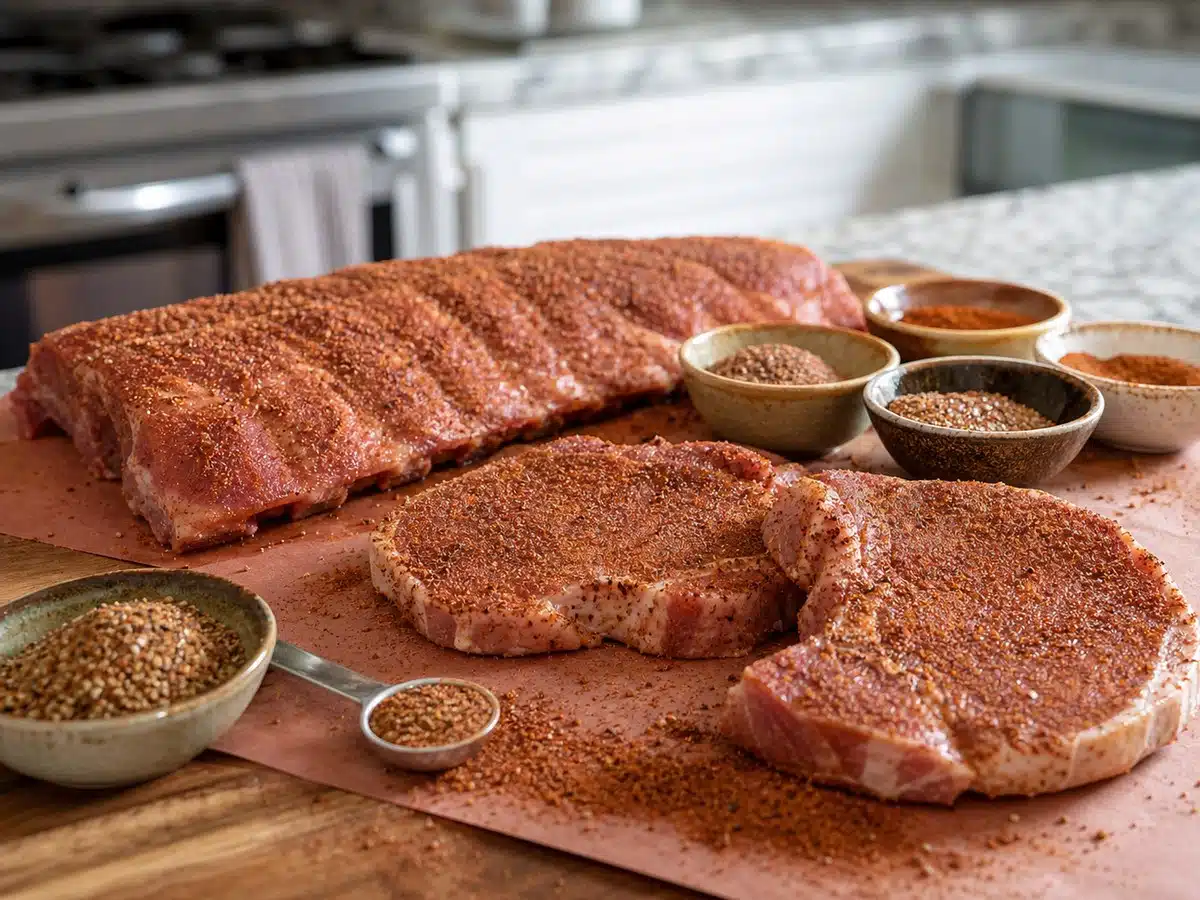
The Pork Rubs Worth Buying First
The safest first bottle is sweet, smoky, and useful on more than one cut. From there, the better choice changes when you move from low-and-slow ribs to quick pork chops or sauce-heavy pulled pork.
Save this ranking
Comparing these products later? Save this ranking for a quick return.
Pick the rub by what the pork needs after heat, not by the loudest barbecue label. Good pork rub should build color, season the surface, and leave room for sauce or sides like baby back ribs sides.
- 🌶 Cut fit: higher picks make sense on ribs, shoulder, chops, or tenderloin without needing a special cooking plan.
- 🧂 Flavor lane: each rub had to say something clear, such as brown sugar smoke, apple honey, lime, honey heat, savory chipotle, or bark color.
- 📦 Salt and sugar risk: pork rub should season the surface without making lean pork harsh or burning too fast on hotter cooks.
- 🔍 Sauce compatibility: better picks can stand alone or leave room for a glaze, vinegar mop, or barbecue sauce at the end.
- 🛒 Exact product match: every buy button points to the same named product and package format we compared.
| Rank | Pork rub | Best for | Key note |
|---|---|---|---|
| 1 | Weber Smoky Brown Sugar Dry Rub | 🏆 Best Overall | Classic sweet smoke for ribs, shoulder, chops, and tenderloin |
| 2 | Traeger Pork & Poultry Rub with Apple & Honey | 🌿 Best Mild Pork | Apple, honey, paprika, and onion for leaner pork cuts |
| 3 | Stubb's Pork Rub with Sea Salt, Garlic & Lime | 🍋 Best Citrus Rub | Brighter lime and garlic profile for chops, tacos, and tenderloin |
| 4 | Kosmos Q Honey Killer Bee BBQ Rub | 🍯 Best Honey Ribs | Honey-sweet barbecue rub with enough spice to keep ribs lively |
| 5 | Amazon Grocery Pork Rub & Seasoning | 💰 Best Budget | Pork-specific smoked paprika and brown sugar bottle for low-stakes grilling |
| 6 | Bad Byron's Butt Rub Barbeque Seasoning | 🧂 Best Savory | No-sugar leaning pork butt rub with onion, garlic, pepper, paprika, and chipotle |
| 7 | Killer Hogs The BBQ Rub | 🔥 Best Bark Color | Competition-style barbecue rub for red-brown crust on ribs and shoulder |

1. Weber Smoky Brown Sugar Dry Rub
Weber Smoky Brown Sugar ranks first because it gives pork the familiar brown-sugar barbecue profile without forcing every cut into heavy heat. The flavor lane is clear: sweet, smoky, garlicky, and built for browning.
That makes it useful on more cuts than the louder competition-style bottles. Ribs and shoulder get color and a rounded sweet edge, while chops and tenderloin still have enough savory support from garlic and smoke.
Use it when you want pork to taste like backyard barbecue before the sauce shows up. It is also a smart first bottle if your pantry already has salt, pepper, and a separate BBQ sauce substitute for last-minute glazing.
The caution is sweetness. On very hot grills or thin chops, apply it lightly so the sugar does not darken before the pork finishes.
- Safest all-around pork-rub flavor
- Brown sugar and smoke help ribs and shoulder color well
- Still usable on leaner pork cuts with a lighter hand
- Can darken quickly on high heat
- Not the sharpest pick if you want citrus or chipotle first
🍖 Best with: ribs, pork shoulder, grilled pork chops, baked beans, coleslaw, and simple barbecue plates.

2. Traeger Pork & Poultry Rub with Apple & Honey
Traeger Pork & Poultry Rub is the better pick when pork needs a lighter, sweeter profile. Apple and honey make the rub feel rounder, while paprika and onion keep it from tasting like plain sugar.
It works especially well for lean pork that cooks fast. The apple-honey direction gives chops and tenderloin a softer browned edge, and the paprika keeps the surface from looking pale without pushing the flavor into heavy smoke.
The stackable tin also fits the way many people actually cook with this kind of rub. It is easy to keep near the grill for pork one night and chicken the next, which makes more sense than buying a rib-only bottle for weeknight meals.
It also earns points as a crossover bottle. If pork and chicken share the grill, this lane feels more natural than forcing a rib rub onto a weeknight chicken marinade plan.
The limit is depth. For pork shoulder or ribs that need a darker bark, Weber, Kosmos Q, or Killer Hogs gives more color and barbecue weight.
- Apple and honey fit lean pork well
- Good pork and poultry crossover bottle
- Less aggressive than heavy rib rubs
- Not as bark-focused as deeper BBQ rubs
- Too mild if you want chipotle, pepper, or smoke first
🥩 Best with: pork tenderloin, grilled pork chops, chicken thighs, apple slaw, and quick weeknight grill dinners.

3. Stubb's Pork Rub with Sea Salt, Garlic & Lime
Stubb's Pork Rub is the contrast pick in this lineup. Sea salt, garlic, lime, and mustard seed point pork toward a brighter plate instead of a sticky barbecue finish.
That makes it more useful for pork chops, tenderloin medallions, taco meat, and quick grill dinners with fresh toppings. The lime note gives lean pork a sharper edge, and the garlic keeps it grounded.
Reach for this when the sides include cabbage, rice, salsa, corn, or pickled onions. It fits a different dinner than the sweet rubs, much like pork vindaloo leans on acid and spice instead of barbecue sugar.
The caveat is sauce pairing. A very sweet bottled barbecue sauce can fight the lime, so keep the finish lighter or move to Weber when classic BBQ is the goal.
- Bright lime and garlic lane
- Strong fit for tacos, chops, and tenderloin
- Breaks up a shelf full of sweet smoky rubs
- Less natural with very sweet BBQ sauce
- Not the strongest choice for deep rib bark
🔥 Best with: pork tacos, lime wedges, cilantro rice, cabbage slaw, grilled corn, and quick weeknight chops.

4. Kosmos Q Honey Killer Bee BBQ Rub
Kosmos Q Honey Killer Bee is the rib pick when honey should be obvious. It brings a sweeter barbecue profile than the Weber bottle, with paprika, garlic, and mild chile keeping the finish from turning flat.
The rub makes the most sense on pork that will cook long enough to build color. Ribs, shoulder edges, and glazed pork pieces can carry the sweetness better than a quick skillet chop.
Use it when the meal wants a sticky, sweet barbecue direction. If you plan to serve pulled pork sandwiches, this kind of honey lane works best when the slaw or pickles bring acid back to the plate.
It is not the bottle I would choose for every weeknight pork dinner. The sweetness is the point, so skip it when you need a cleaner savory crust.
- Strong honey-sweet barbecue identity
- Good fit for ribs and glazed pork
- Mild chile keeps the sweetness from feeling plain
- Can be too sweet for quick lean chops
- Needs acid or smoke nearby to stay balanced
🍗 Best with: baby back ribs, spare ribs, pulled pork, pickles, slaw, cornbread, and smoky baked beans.

5. Amazon Grocery Pork Rub & Seasoning
Amazon Grocery Pork Rub & Seasoning earns the budget slot by staying pork-specific and practical. The profile checks the expected boxes: smoked paprika, brown sugar, garlic, onion, and lemon peel.
That mix gives you smoke, sweetness, and a small bright edge without asking you to buy a large barbecue jar. Smoked paprika helps the surface look browned, brown sugar helps the edges caramelize, and garlic plus onion keep the rub from tasting like only red dust.
The lemon peel is the important detail for quick pork chops. It gives the finished bite a little lift, which helps when the pork is cooked in a skillet or on a hot grill instead of sitting in smoke for hours.
It is a useful bottle for casual pork chops, spare ribs, and pantry backup seasoning. The smaller package also makes sense when you want a pork rub for occasional dinners instead of a smoker-size jar.
The best reason to choose it is low commitment. If you are testing whether your family likes dry-rubbed pork, this bottle is less risky than a large competition tub or a strong burger seasoning crossover.
The bottle gives pork a basic smoke-sugar-garlic profile rather than a deep pitmaster crust. Serious rib cooks should move up to Weber, Kosmos Q, or Killer Hogs when bark color, honey glaze, or heavier paprika character matters.
- Pork-specific budget option
- Smoked paprika and brown sugar cover the core flavor lane
- Small bottle makes sense for occasional grilling
- Less layered than the higher-ranked barbecue rubs
- Not the best choice for heavy rib or shoulder smoking
🌽 Best with: weeknight pork chops, spare ribs, tenderloin, roasted potatoes, grilled vegetables, and simple pantry meals.

6. Bad Byron's Butt Rub Barbeque Seasoning
Bad Byron's Butt Rub is the useful curveball because it does not lean on sugar the way many pork rubs do. Onion, garlic, pepper, paprika, and chipotle make it taste more savory and direct.
That matters on pork shoulder. A big cut can handle a rub that seasons deeply before sauce, and a savory base keeps the final plate from stacking sweet rub on sweet sauce on sweet sides.
The texture of the flavor is different from the honey and brown-sugar picks. Pepper and chipotle give the bark more bite, while onion and garlic make the meat taste seasoned before any glaze hits it.
Use this when the sauce is already doing the sugar work. It is also a strong pantry move when you want paprika color but do not want to build your own blend from smoked paprika, garlic, and pepper.
The jar is large, so it makes less sense for someone who cooks pork once every few months. Occasional grillers should choose a smaller bottle from the main ranking.
- Savory counterweight to sweet pork rubs
- Good garlic, onion, pepper, paprika, and chipotle lane
- Strong fit for pork butt before sauce
- Large jar is not ideal for rare pork cooks
- Less friendly for people who want sweet rib flavor first
🍞 Best with: pork butt, shoulder, ribs with sweet sauce, grilled sausage, baked beans, vinegar slaw, and smoky beans.

7. Killer Hogs The BBQ Rub
Killer Hogs The BBQ Rub belongs here for cooks who care about bark and color as much as the first bite. It is a broader barbecue rub, but pork is one of the places where red-brown crust, paprika color, and sauce-ready surface seasoning really pay off.
The two-pack format also says something about the buyer. This makes the most sense if you smoke ribs or shoulder often enough to use both shakers before they fade in the pantry.
Choose it when you want pork to look and taste like a barbecue tray. It is a better fit for ribs and shoulder than for delicate chops because the rub wants smoke time, rendered fat, and a sauce glaze to show its best side.
The drawback is flexibility. If you only need one bottle for occasional chops and tenderloin, Weber or Traeger will feel easier to manage.
- Strong bark and color lane
- Good for ribs, shoulder, and barbecue trays
- Two-pack works for frequent smokers
- Less practical for occasional pork cooks
- Not the gentlest rub for thin chops
🥓 Best with: smoked ribs, pulled pork, pork tenderloin, sauce glaze, pickles, slaw, and cookout sides.
Match the Rub to the Cut Before You Season
Ribs and shoulder can handle more sugar and smoke than chops can. Those larger cuts spend more time under gentle heat, so the rub has time to color the surface instead of scorching fast.
Lean pork is less forgiving. Chops and tenderloin finish quickly, and a heavy rub can taste salty before the center is cooked right.
Choose by cut first.
| Pork cut | Better rub style | Why it works |
|---|---|---|
| Baby back ribs or spare ribs | Sweet-smoky, honey, or bark-focused rub | Longer cooking gives sugar and paprika time to build color. |
| Pork shoulder or butt | Savory rub or deeper BBQ rub | The big cut needs seasoning that can hold up before sauce. |
| Pork chops | Apple-honey or citrusy rub | Leaner meat needs brightness and restraint more than heavy bark. |
| Pork tenderloin | Mild sweet rub or citrus garlic rub | The cut is lean, so sharp salt and sugar can take over quickly. |
| Taco-style pork | Lime, garlic, mustard seed, or chile-forward rub | Fresh toppings need a brighter seasoned base. |
Sugar, Smoke, Lime, and Chipotle Change Pork in Different Ways
Flavor words on a pork-rub label are cooking clues. Brown sugar and smoked paprika help pork look grilled, while lime and mustard pull the meat toward a fresher plate.
Taste follows.
Chipotle, garlic, onion, and pepper do a different job. They make pork taste more savory before sauce, which is useful when the rest of the meal already has sweetness.
- Brown sugar and smoke: better for ribs, shoulder, and barbecue plates where color matters.
- Apple and honey: better for lean pork, chicken crossover meals, and milder eaters.
- Lime and mustard: better for pork tacos, chops, tenderloin, and plates with slaw or rice.
- Chipotle and pepper: better before sweet sauce because the rub keeps the meat from tasting one-note.
The label does not need to name every spice. It needs to tell you what the pork will taste like after heat, sauce, and sides all join the plate.
Use Enough Rub for Bark Without Making the Pork Salty
Rub sits on the surface, so the same amount feels stronger on thin pork than it does on shoulder. A big cut can take a fuller coat because each bite includes interior meat that was never directly seasoned.
Small cuts need less drama. Season chops and tenderloin evenly, let the rub cling, and do not pile extra seasoning into wet spots just because the surface looks bare.
- For ribs: cover the surface evenly, then give sweet rubs moderate heat so sugar can darken without turning bitter.
- For shoulder: use enough rub to form a visible coat, then let sauce or vinegar finish the balance later.
- For chops: use a thinner layer and taste the first batch before increasing the saltier rubs.
- For tenderloin: keep the coating light and lean on apple, honey, garlic, lime, or paprika rather than heavy pepper.
- For sauced pork: choose a less sweet rub if the sauce already brings molasses, honey, or brown sugar.
Shelf Clues That Matter More Than a Big BBQ Name
A good pork-rub label tells you flavor direction, not just barbecue confidence. Pork-specific wording helps, but the first flavor cues are more useful.
Jar size also matters. A 26-ounce savory rub is great for frequent shoulder cooks, but a smaller bottle makes more sense if you only grill chops a few times a season.
- Trust clear flavor cues: brown sugar, honey, apple, lime, chipotle, garlic, onion, paprika, and smoke all point to different pork uses.
- Watch the package size: large jars are useful only if you cook ribs or shoulder often enough to keep the spices fresh.
- Do not grab steak rub by habit: coarse pepper and steakhouse salt can make lean pork taste harsher than expected.
- Check sauce overlap: sweet rub plus sweet sauce plus sweet side dishes can make the plate feel flat.
Simple helps. If the label cannot tell you whether the pork will be sweet, smoky, citrusy, hot, or savory, it is harder to use well.
Pork Rub Questions Before the Grill Is Hot
Most pork-rub questions come down to timing, cut, and sauce. Answer those before the meat is already on the grill.
These are the last checks that change what you buy or how much rub you use.
Can BBQ rub be used as pork rub?
Yes, if the sugar, salt, smoke, and heat fit the cut. BBQ rubs work best on pork when they build color without making lean meat taste too salty or too sweet.
What pork rub is best for ribs?
Weber Smoky Brown Sugar is the safest first rib pick here, while Kosmos Q leans sweeter and Killer Hogs leans more bark-focused.
What pork rub is best for pork chops?
Traeger is the better mild choice for chops, and Stubb's is the better citrusy choice. Both are easier to manage on lean quick-cooking pork than a heavy rib rub.
Should pork rub sit overnight?
Large cuts like shoulder can handle more time because the seasoning has more meat to balance it. Thin chops do not need the same long rest, especially with saltier rubs.
Can one pork rub work on chicken too?
Yes. Traeger is the clearest pork-and-poultry crossover in this ranking, while Weber can work when you want a sweeter grilled-chicken profile.
The Pork Rub I Would Put on Ribs First
If I were buying one bottle for ribs and shoulder, I would choose Weber Smoky Brown Sugar. It has the broadest pork fit, the clearest sweet-smoky profile, and fewer cut-specific limits than the sharper or sweeter picks.
Ribs first.
- Choose Weber for the safest classic pork-rub bottle.
- Choose Traeger for milder chops, tenderloin, and pork-and-chicken dinners.
- Choose Bad Byron's when pork shoulder needs savory seasoning before sweet sauce.